
Understanding the 2026 Siding Supply Challenge
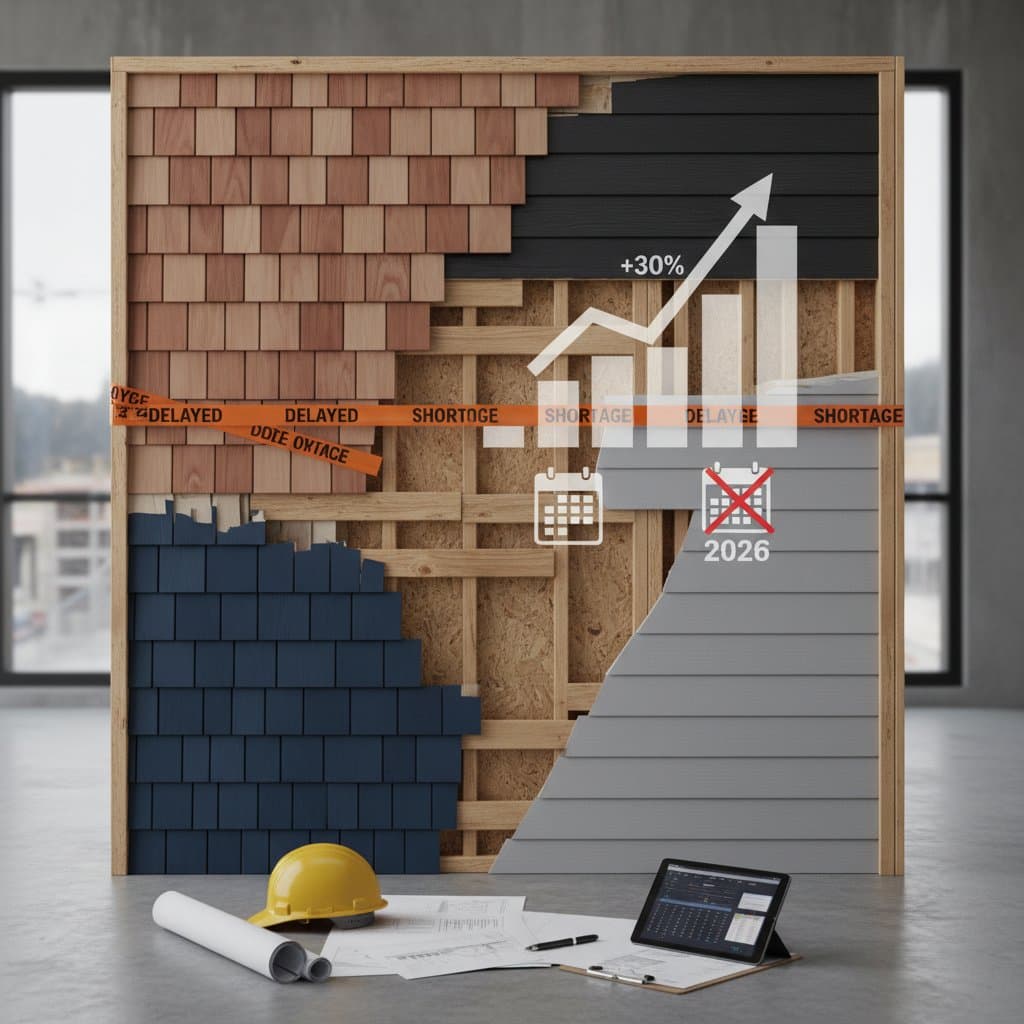
A nationwide shortage of siding materials is projected to increase costs by as much as 30 percent by 2026. Homeowners planning exterior projects face longer delivery windows and tighter budgets as a result. Early awareness of these pressures allows better preparation and more informed material selections.
Supply constraints stem from manufacturing capacity limits and distribution bottlenecks. Regions distant from production facilities often encounter added delivery fees. Projects that involve intricate trim details or custom profiles require extra labor hours and further extend timelines.
Planning Around Extended Lead Times
Suppliers currently quote six to eight weeks for standard vinyl products. Specialty colors and profiles may require up to twelve weeks. Placing material orders at contract signing helps secure current pricing before additional increases occur.
A written schedule that includes order dates and installation windows protects against last minute adjustments. Confirming these milestones in advance reduces the risk of schedule slippage when inventory remains tight.
Managing Permits and Site Access
Most local jurisdictions require a permit whenever wall sheathing or insulation is altered. Inspectors verify proper flashing, fastener placement, and weather barrier application. Adequate space for material staging and vehicle access keeps work progressing safely and on schedule.
Controlling Costs Through Clear Agreements
Include unit pricing per square foot in every proposal so scope changes remain predictable. Specify how material delays or brand substitutions will be handled. Detailed language on change orders prevents disputes when supply conditions shift unexpectedly.
Choosing Between Repair and Full Replacement
When existing siding remains structurally sound, targeted repairs can extend service life until supply conditions improve. Damaged sections can be replaced, joints recaulked, and surfaces repainted. This approach defers major expense while the market stabilizes.
Matching Materials to Local Conditions
Coastal and high humidity areas benefit from vinyl or fiber cement because both resist moisture absorption. Cold climates favor engineered wood when it receives regular sealing and painting. Always verify that the selected product meets regional weather demands rather than defaulting to unfamiliar alternatives during shortages.
Performance Considerations for Safety
Fiber cement offers noncombustible properties suitable for wildland urban interface zones. Vinyl softens under high heat, so grills and other ignition sources should remain at least two feet away. Engineered wood needs periodic refinishing to maintain decay resistance. Metal siding provides strong defense against hail and wind driven debris.
Critical Installation Details
A continuous weather barrier combined with integrated flashing prevents moisture accumulation behind the siding. This detail addresses the leading cause of premature rot and finish failure. Contractors must follow manufacturer instructions and local code requirements exactly.
Ongoing Maintenance Practices
Rinse siding annually with low pressure water and mild detergent. Inspect caulk joints around windows and trim every two to three years. Repaint fiber cement or engineered wood surfaces every five to seven years when color begins to fade. Avoid solvents and pressures above 1500 psi to preserve finish warranties.
Warranty and Documentation Requirements
Limited warranties cover manufacturing defects but exclude installation errors. Retain all receipts and installation records. Transferable warranties can enhance resale value provided registration occurs within the required period after completion.
Preparing Your Project in Five Steps
- Define project goals, including insulation upgrades and trim preferences, before requesting bids.
- Obtain three detailed proposals that list material specifications, square foot pricing, and lead times.
- Approve physical samples and color selections in writing.
- Clear the work area and designate staging zones to support crew efficiency.
- Conduct milestone inspections at sheathing, weather barrier, and final finish stages.
Protecting Your Investment Amid Rising Prices
Early coordination with suppliers and contractors, combined with precise specifications, safeguards both budget and schedule. Store extra panels for future repairs and maintain a consistent care routine. These measures keep exterior projects viable even when material availability remains uncertain.