
Understanding the Fiber Cement Supply Crunch and Its 2026 Impact
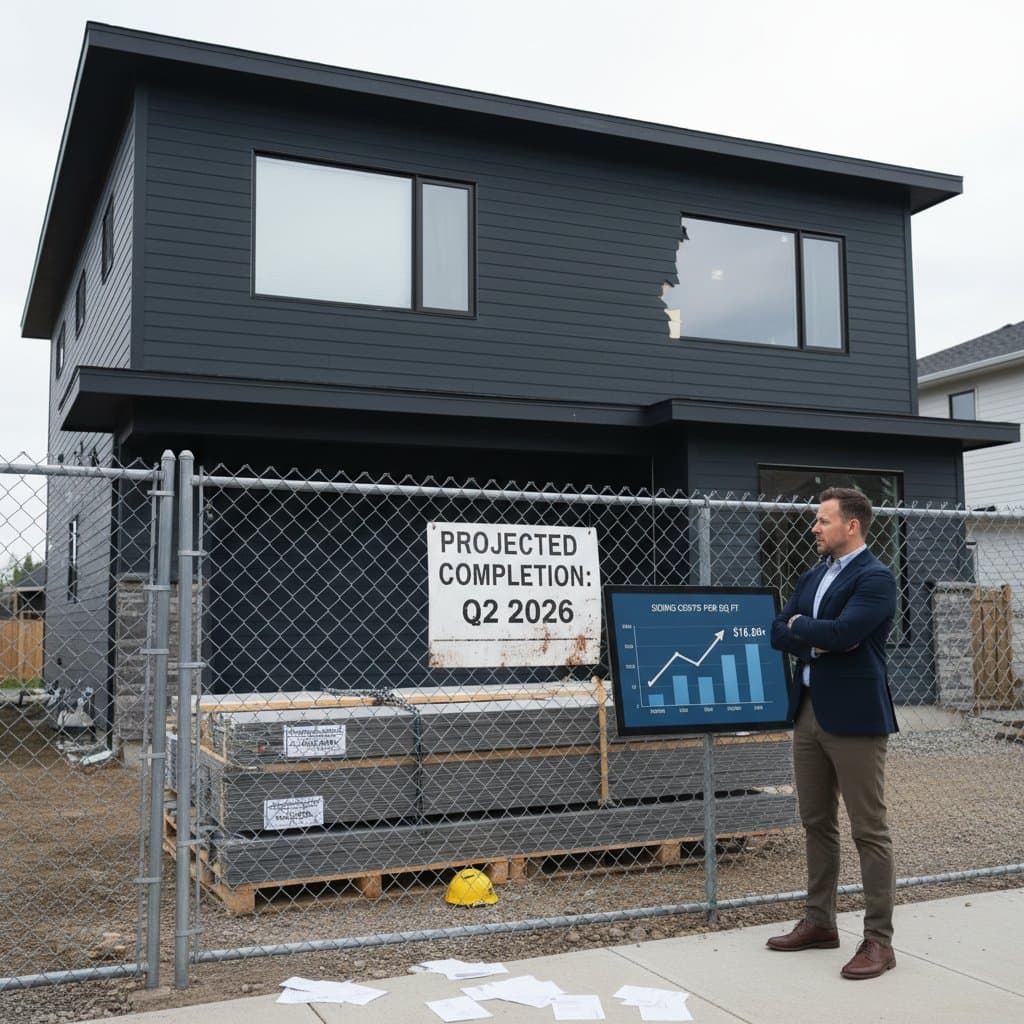
Homeowners embarking on exterior renovations encounter a challenging landscape due to the ongoing fiber cement shortage. Production facilities that blend silica, cellulose, and cement for this durable siding material grapple with inconsistent raw material availability and transportation bottlenecks. These constraints lead to elevated prices, with experts forecasting an additional $1-2 per square foot by 2026. Builders note extended lead times of up to several months, incomplete shipments, and distributor-imposed fees that demand careful project orchestration.
The shortage stems from heightened demand post-pandemic, coupled with supply chain disruptions in key inputs like cement and wood fibers. Regional variations amplify the issue; coastal areas face steeper surcharges from shipping delays, while inland markets contend with mill output limitations. To mitigate these pressures, early engagement with suppliers proves vital. Homeowners benefit from locking in quotes now, allowing time to explore alternatives if allocations tighten further.
Selecting the Right Fiber Cement Profile and Material
Profiles Tailored to Architectural Styles
Fiber cement siding offers versatile profiles to complement diverse home designs. The lap profile, with its horizontal overlapping planks, provides a classic appearance ideal for colonial or craftsman homes, typically featuring exposures from 5 to 8 inches for balanced coverage. Board and batten profiles introduce vertical lines and shadow effects, enhancing the rustic charm of farmhouses or cottages through wider battens spaced 12 to 16 inches apart. Panel systems, often with tongue-and-groove edges, suit sleek modern or commercial structures, minimizing visible seams for a seamless facade.
When choosing a profile, consider the home's scale and orientation. For instance, narrower lap exposures work well on single-story bungalows to avoid overwhelming the structure, while wider panels excel on larger elevations for efficiency in installation. Always factor in local aesthetics; community guidelines may favor certain profiles to maintain neighborhood harmony.
Comparing Fiber Cement to Alternative Sidings
Fiber cement stands out for its longevity and low maintenance, yet understanding competitors aids informed decisions amid shortages. Vinyl siding appeals for its affordability and ease of installation, often costing $4-7 per square foot, but it succumbs to fading and cracking in extreme temperatures. Engineered wood products deliver a natural texture at $8-12 per square foot, though they require vigilant sealing against moisture in humid climates.
Metal sidings, such as aluminum or steel, promise exceptional durability and a contemporary edge, priced at $10-15 per square foot, but installation demands precise alignment to conceal seams. The following table summarizes key attributes:
| Material | Advantages | Disadvantages |
|---|---|---|
| Fiber Cement | Superior fire resistance, dimensional stability, excellent paint adhesion | Requires professional handling to avoid breakage, higher weight increases labor costs |
| Vinyl | Budget-friendly, lightweight, simple to install | Prone to thermal expansion, lower impact strength in hail-prone areas |
| Engineered Wood | Authentic wood grain appearance, easier to cut on-site | Susceptible to rot without proper treatment, limited color options |
| Metal | Long-lasting, low upkeep, eco-friendly recyclability | Potential for denting, thermal bridging in cold weather without insulation |
Select based on climate and priorities; for example, fiber cement excels in wildfire zones, while vinyl suits mild, dry regions.
Guidelines for Mixing Materials and Trim Choices
Creative combinations extend limited fiber cement supplies while preserving visual cohesion. Apply fiber cement to high-visibility front elevations for its premium look, then transition to vinyl or engineered wood on less prominent sides, ensuring color and texture harmony through sample matching. Trim elements, such as soffits and corner boards, benefit from durable options like cellular PVC, which resists rot and insects without the weight of fiber cement.
Avoid incompatible pairings that invite corrosion; pair fiber cement with galvanized or stainless steel accents rather than untreated metals. In mixed setups, maintain consistent joint treatments across materials to prevent water infiltration. This approach not only conserves resources but also balances cost, potentially reducing overall expenses by 20-30 percent on larger projects.
Real-World Application Examples
Consider a two-story suburban colonial: Opt for lap siding with a 7-inch exposure in a neutral gray, paired with PVC trim for clean lines, estimating $15-17 per square foot installed including labor. A modern ranch-style home might employ smooth fiber cement panels with integrated vents for airflow, achieving a minimalist aesthetic at $13-15 per square foot. For a coastal cottage renovation, blend board and batten accents on gables with standard lap on the body, budgeting $14-16 per square foot while incorporating corrosion-resistant fasteners.
These scenarios highlight adaptability; scale profiles to roof pitch and window placements for optimal proportion. Consult with architects early to simulate outcomes, ensuring the final design withstands regional weather patterns.
Ensuring Durability, Safety, and Longevity
Performance Against Weather and Physical Stress
Fiber cement siding demonstrates robust resistance to high winds up to 110 mph, heavy rain, and pest infestations, thanks to its inorganic composition. However, thin edges risk chipping during shipping or improper nailing, so specify 5/16-inch thickness minimum for residential use. Secure panels with corrosion-resistant fasteners spaced 16 inches on center horizontally and 12 inches vertically, adhering to International Building Code standards.
In impact-vulnerable areas like hail belts, select thicker planks or add protective coatings. Proper underlayment, such as house wrap, further shields against moisture penetration, extending the material's service life.
Fire Resistance and Moisture Management
The noncombustible nature of fiber cement earns it Class A fire ratings, making it a preferred choice in brushfire-prone regions. Installation requires precise flashing at junctions with roofs, windows, and doors to direct water away, preventing rot in underlying sheathing. Maintain a minimum 1-inch clearance from ground level or decks to facilitate drainage and deter capillary action.
Regular inspections reveal early signs of moisture issues, such as efflorescence on surfaces. Address these promptly with resealing to preserve structural integrity.
Maintenance Routines and Cleaning Protocols
Annual walkthroughs identify caulk deterioration or paint fading, particularly around penetrations. Employ a garden hose with low-pressure nozzle and pH-neutral soap for routine cleaning, rinsing from top to bottom to avoid streaking. Steer clear of pressure washers exceeding 500 PSI, as they erode factory-applied finishes.
Repainting intervals vary by exposure; coastal homes may need touch-ups every 10 years, while inland properties stretch to 15. Use high-quality exterior acrylics compatible with the substrate for optimal adhesion.
Navigating Warranties and Coverage Details
Leading manufacturers provide 30-50 year limited warranties on core material against warping or delamination, contingent on correct installation. Surface finishes carry 15-25 year protections, but exclusions apply for unprimed cut edges or inadequate ventilation. Document all installations with photos and receipts to streamline claims; third-party inspections bolster disputes over voided terms.
Understand prorated adjustments; for instance, coverage diminishes after 10 years based on wear patterns. This knowledge empowers homeowners to select certified installers familiar with warranty stipulations.
Preparing for a Successful Siding Installation
- Clarify project objectives and boundaries. Outline whether the work involves full replacement or targeted repairs, incorporating assessments for insulation upgrades or energy efficiency enhancements.
- Solicit detailed contractor bids. Secure proposals from no fewer than three professionals, specifying brand, plank thickness (e.g., 5/16 inch), profile type, and trim specifications, along with timelines and contingency clauses for shortages.
- Evaluate material samples in context. Arrange on-site mockups to test textures, colors under natural light, and sheens, confirming compatibility with existing elements like brick or stone.
- Optimize site readiness. Remove obstacles from work areas, safeguard plants and hardscapes with tarps, and arrange electrical outlets plus waste receptacles to support efficient crew operations.
- Oversee key installation phases. Verify weather-resistant barriers prior to siding application, monitor joint alignments during progress, and inspect caulking and painting uniformity before approving final payments.
Incorporate buffer time for delays; schedule during off-peak seasons like spring to sidestep peak demand surges.
Sustaining Your Investment Through Proactive Management
Relief from the fiber cement shortage hinges on resolved raw material sourcing and improved logistics, potentially stabilizing by late 2026. In the interim, secure written commitments from suppliers for deliveries and explore hybrid material strategies to buffer against volatility. Diligent upkeep, including seasonal cleanings and seal checks, maximizes return on investment.
Homeowners who integrate these practices not only navigate current challenges but also future-proof their properties. Regular evaluations ensure siding performs optimally, preserving curb appeal and equity for years ahead.