
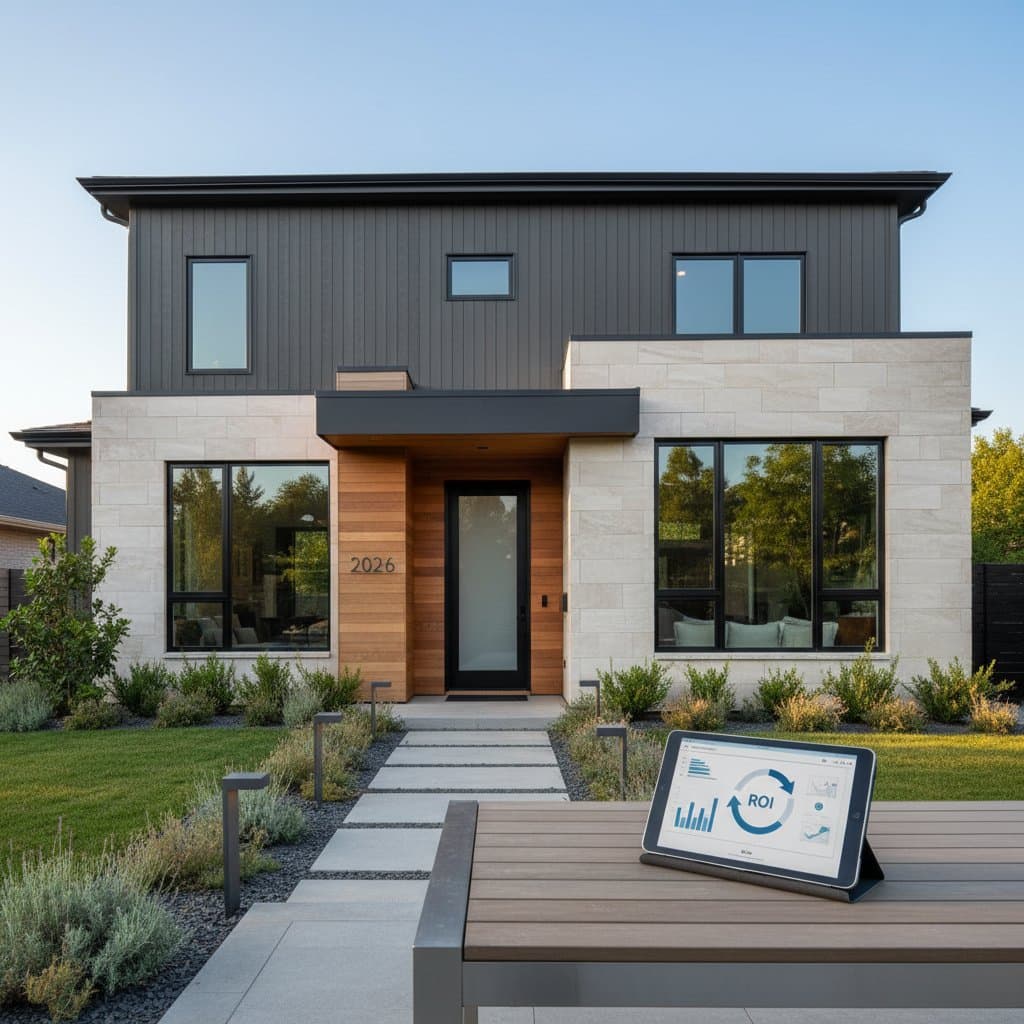
Maximize ROI: Mixed Siding's 2026 Edge
Homeowners seeking to boost property value in 2026 find mixed siding an effective solution. This approach combines materials and profiles to create visually dynamic exteriors that balance aesthetics with practicality. By selecting complementary elements, you achieve a customized look that enhances resale appeal while controlling long-term expenses.
Trends point to increased popularity of hybrid designs, driven by advances in durable, low-maintenance options. These setups not only improve energy efficiency through better insulation integration but also adapt to diverse architectural styles. The key lies in thoughtful planning that aligns with local climate demands and budget constraints, ensuring the investment pays off over decades.
Style and Selection Explainer
Choosing the right profiles and materials forms the foundation of a successful mixed siding project. Start by assessing your home's architecture to identify areas where textures and directions can add depth. This section outlines essential components and guidelines for cohesive results.
Core Profiles
- Horizontal lap: Delivers a classic, horizontal emphasis ideal for primary wall surfaces, promoting a sense of width and stability.
- Board and batten: Introduces vertical lines that elongate smaller features like gables, creating an illusion of greater height and architectural interest.
- Shingle or shake: Provides varied texture for accents on dormers or upper stories, mimicking natural elements for a rustic or traditional vibe.
- Panel systems: Offers sleek, flat surfaces suitable for contemporary designs or less visible areas like rear facades, emphasizing clean geometry.
Material Options
Selecting materials involves weighing benefits against potential drawbacks, especially in mixed applications. Consider factors such as regional weather patterns and exposure levels when pairing options.
| Material | Pros | Cons |
|---|---|---|
| Vinyl | Cost-effective, requires minimal upkeep, available in extensive color varieties | Prone to cracking under impacts or severe freezing temperatures |
| Fiber cement | Resists fire and decay, emulates authentic wood grain | Substantial weight requires sturdy framing; exposed edges demand painting |
| Engineered wood | Provides a natural warmth, weighs less than cement alternatives | Requires repainting every 10 to 15 years to maintain appearance |
| Metal panels | Boasts extended lifespan, fully recyclable, delivers sharp modern lines | Involves higher initial investment; susceptible to dents from impacts |
| Stone or brick veneer | Significantly increases perceived value, withstands heavy wear | Costs more per square foot; adds considerable structural load |
Mix Rules
Establish one primary material to cover approximately two-thirds of the exterior walls, establishing a unified base. Introduce a secondary material for accents on gables, projecting elements, or porch surfaces to inject contrast without overwhelming the design. Align horizontal joints with window sills or trim lines for seamless flow. Limit combinations to two materials maximum, consulting an architect for complex layouts involving more.
Accent and Trim Logic
Trim elements serve as bridges between differing textures, maintaining visual harmony. Opt for trim in coordinating hues to unify the palette. Fiber cement or metal varieties ensure precise edges and superior protection against weathering. Steer clear of untreated wood trim in damp areas, as it risks expansion that could separate from adjacent composite surfaces.
Example Scenarios
- Two-story suburban home: Apply fiber cement in lap style across main walls for broad coverage, then add vinyl shingles to gables for textural relief and cost savings.
- Modern ranch: Install metal panels around entryways and garage doors for a bold focal point, complemented by engineered wood on remaining areas to soften the overall profile.
- Cottage remodel: Use vinyl lap siding on upper sections for affordability, paired with a stone veneer base near ground level to enhance durability against soil moisture and pests.
Durability and Safety Brief
A mixed siding installation thrives when durability matches environmental challenges. Proper detailing at transitions prevents common issues like water infiltration. Focus on materials that align with your location's specific risks, from temperature extremes to coastal salt exposure.
Weather Risks
Hybrid systems excel in varied climates provided flashing integrates correctly at material junctions. In regions with intense sun, select pale shades and incorporate ventilated rainscreen gaps to dissipate trapped heat and reduce fading. For frigid interiors or humid coastal settings, prioritize fiber cement and metal over wood derivatives for superior resistance to condensation and corrosion.
Fire and Impact Performance
Fiber cement and metal materials achieve top-tier fire ratings, making them preferable for high-risk zones. Engineered wood and vinyl installations require adherence to clearance guidelines around heat sources like outdoor grills or exhaust vents. In areas prone to vehicle contact or recreational activity, reinforce with impact-resistant panels or solid stone foundations to minimize damage.
Envelope Details
Pay close attention to critical junctures: install kickout flashings where roofs meet walls to divert water, seal vertical seams between claddings thoroughly, and ensure drainage channels above stone layers. Overlooking these steps leads to moisture accumulation, often resulting in warranty invalidation and costly repairs.
Care and Cleaning
Conduct biennial reviews of caulk integrity and surface finishes to catch issues early. Clean exteriors using a solution of mild detergent and water applied with a gentle brush to avoid abrasion. Refrain from high-pressure washing near seams or cut edges, which can force water into vulnerable spots. Refresh deteriorated sealants ahead of cold seasons, and maintain a six-inch clearance from vegetation to deter mold growth.
Warranty Basics
Siding warranties typically address material flaws for periods ranging from 20 to 50 years, though labor protections last shorter durations. Failures due to substandard installation, unprotected cut surfaces, or absent flashings nullify claims. Retain documentation including purchase receipts and serial numbers to streamline any future warranty processes.
Step-by-Step Project Prep
Effective preparation streamlines the installation and safeguards your investment. Follow this sequence to align expectations with contractors and minimize disruptions.
- Define goals and scope. Outline whether the work involves a complete overhaul or targeted enhancements, factoring in desired style shifts and performance upgrades.
- Shortlist contractors. Solicit bids from no fewer than three specialists in mixed siding; verify their portfolios include examples of smooth material transitions.
- Samples and mockups. Examine material swatches under natural light to assess true colors and textures; commission a test panel on-site to evaluate joint alignments and overall harmony.
- Site readiness. Remove obstacles from access paths, relocate attached fixtures, and arrange electrical outlets for tools like cutting saws and air compressors.
- Daily routine. Anticipate construction sounds, dust accumulation, and restricted outdoor spaces; establish clear schedules for work hours with the site supervisor.
- Quality checks. During progress, verify the placement of flashings, uniformity of joint gaps, and suitability of fasteners prior to advancing to subsequent layers.
- Final inspection. Circuit the property to identify minor adjustments, ensure caulked edges appear neat, and withhold final payment until satisfaction is confirmed.
Living with Your Hybrid Facade
Once installed, a well-executed mixed siding exterior demands little intervention while preserving its allure and worth. Pair robust base materials with ornamental upper layers to optimize longevity and visual impact. Prospective buyers and appraisers value precise detailing, secure seals, and uniform trim that signal quality craftsmanship. Over time, this strategic blend sustains curb appeal, supports higher market values, and simplifies upkeep for enduring satisfaction.