
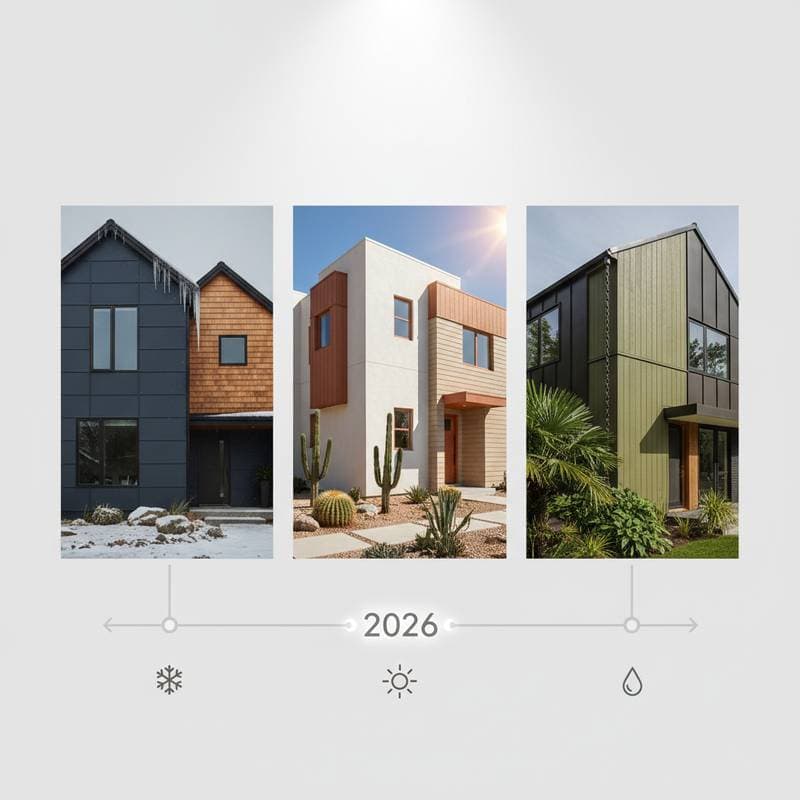
Selecting the Right Siding for Your Climate Zone in 2026
Selecting appropriate siding extends beyond aesthetic appeal. It safeguards the building's framework, regulates humidity levels, and influences ongoing maintenance expenses. Optimal choices hinge on regional variations in temperature fluctuations, precipitation patterns, wind velocities, and exposure to ultraviolet radiation. Different climate zones require distinct combinations of thermal insulation, moisture repellency, and structural resilience.
Homeowners in arid regions prioritize materials that withstand intense solar exposure without warping. Those in humid areas focus on options that resist mold and mildew growth. Coastal properties demand corrosion-resistant selections to combat salt-laden air, while inland locations emphasize impact resistance against hail and debris. By aligning siding with these factors, owners achieve reduced repair frequency and extended service life.
Understanding Siding Styles and Profiles
Siding profiles influence both functionality and visual harmony. Each type accommodates specific installation techniques and environmental demands.
- Lap siding provides broad coverage and effective water runoff, integrating seamlessly with various trim elements.
- Board-and-batten designs enhance airflow behind the surface, ideal for traditional or rural architectures.
- Shingle or shake patterns introduce dimensional texture, complementing seaside or heritage-inspired exteriors.
- Panel and plank configurations deliver sleek, contemporary lines for minimalist facades.
Consider how the profile interacts with the home's architecture. For instance, lap siding excels on rectangular structures, while board-and-batten adds character to gabled roofs. Always evaluate how the chosen profile facilitates proper drainage and ventilation to prevent moisture accumulation.
Evaluating Material Options by Climate Suitability
Material selection forms the core of a durable siding system. The following table outlines key attributes, advantages, drawbacks, and recommended applications based on climate characteristics.
| Material | Advantages | Disadvantages | Recommended Climate Zones |
|---|---|---|---|
| Vinyl | Affordable initial price, retains color over time | Prone to cracking in subzero temperatures, susceptible to thermal expansion | Temperate regions with minimal extremes |
| Fiber Cement | Resistant to flames and physical impacts | Substantial weight requires professional installation | Arid, high-heat, or wildfire-vulnerable areas |
| Engineered Wood | Authentic wood appearance with reduced mass | Requires periodic recoating or pre-applied finishes | Moderate zones with seasonal variations |
| Metal (Steel or Aluminum) | Withstands high winds and hail, minimal maintenance needs | Vulnerable to dents, amplifies rain sounds | Regions with frequent storms or gusts |
| Natural Wood | Timeless aesthetic appeal | Demands regular sealing against moisture | Low-humidity or desert environments |
Vinyl offers an entry-level choice for stable weather patterns, where its lightweight nature simplifies installation. Fiber cement stands out in fire-risk zones, providing a non-combustible barrier that also mimics wood grains effectively. Engineered wood balances natural beauty with engineered predictability, suiting areas with moderate rainfall. Metal siding thrives in turbulent conditions, reflecting heat to lower cooling demands. Natural wood, when treated properly, delivers unmatched warmth but necessitates vigilant upkeep in drier settings.
Budget considerations play a pivotal role. Initial costs for vinyl range lower than premium options like fiber cement, yet long-term savings emerge from reduced replacements. Factor in energy efficiency: insulated variants in any material enhance thermal performance, potentially offsetting higher upfront investments through utility bill reductions.
Coordinating Trim and Accents for Cohesive Design
Trim elements frame the siding, ensuring unified expansion rates and finishing schedules. Pair fiber cement trim with corresponding siding to avoid differential movement. Composite trims harmonize with vinyl installations, resisting warping. For wood-based systems, select solid or engineered trims that match grain and density.
Accents elevate the overall composition without overwhelming it. Introduce subtle texture contrasts, such as stone veneer bases with lap siding uppers. Restrict color palettes to two or three complementary shades to maintain equilibrium. This approach fosters a polished exterior that evolves gracefully with the seasons.
Test combinations on-site under natural lighting to confirm harmony. Professional consultations can reveal how accents influence perceived scale, making compact homes appear more expansive.
Preparing for a Successful Siding Installation
Thorough preparation minimizes disruptions and ensures quality outcomes. Follow these structured steps to guide the project from planning to completion.
- Establish project objectives and boundaries. Determine whether the work involves complete renewal or localized fixes, considering structural assessments.
- Solicit proposals from multiple specialists. Secure at least three detailed estimates that align on materials, timelines, and warranties.
- Examine physical samples and simulations. Observe hues, surfaces, and seam alignments in ambient light to validate selections.
- Stage the work area. Remove nearby plants, relocate patio items, and arrange debris collection to facilitate smooth progress.
- Oversee critical phases. Inspect underlying sheathing prior to new application. Verify attachment intervals, weatherproofing integrations, and joint seals ahead of concluding reviews.
Incorporate permits and inspections early to comply with local codes. Document agreements in writing, specifying material grades and installation standards. This diligence protects investments and streamlines resolutions if issues arise.
Sustaining Your Siding Investment Over Time
Properly chosen and installed siding endures for generations. Prioritize climate compatibility before stylistic elements. Maintain a record of all cleanings, coatings, and interventions to uphold manufacturer guarantees. Regular inspections reveal early signs of wear, allowing timely interventions that preserve integrity.
Seasonal care routines vary by material. Gentle pressure washing suits vinyl and metal annually, while wood benefits from oil-based protectants biannually. These practices not only extend lifespan but also sustain energy efficiency and visual allure. Ultimately, a thoughtfully matched siding system fortifies the home against elemental challenges, delivering reliable performance and aesthetic satisfaction year after year.