
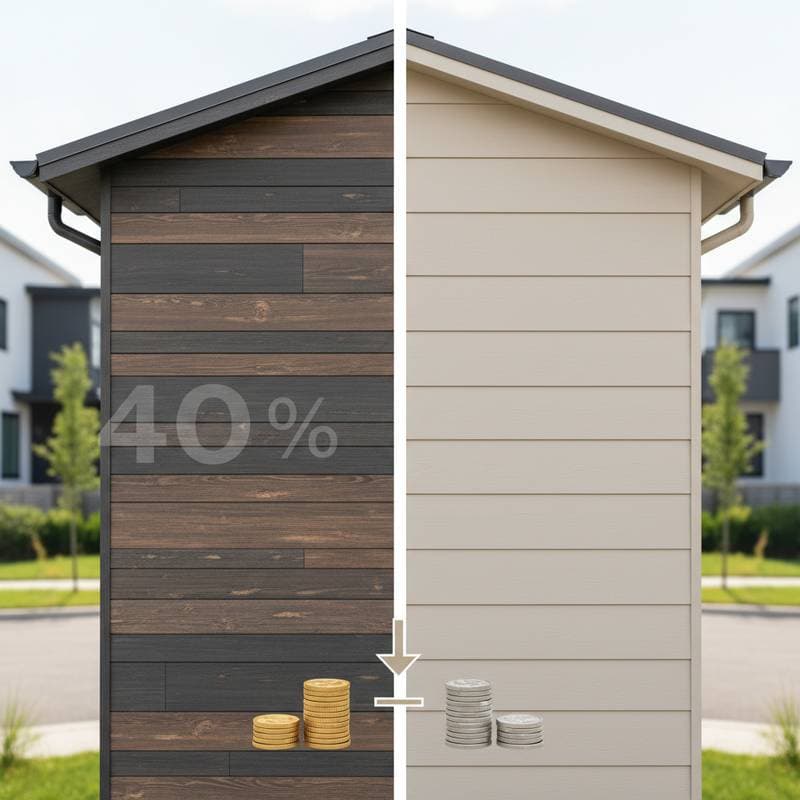
The Closing Price Gap Between Wood Composite and Vinyl Siding
Homeowners face a pivotal shift in siding options as wood composite materials approach affordability levels once reserved for vinyl. Projections indicate that by 2026, composite siding will carry a premium of only 40% over vinyl, down from higher margins in previous years. This narrowing gap stems from advancements in manufacturing efficiency and material science, which reduce production costs without sacrificing quality.
Vinyl siding remains a budget staple due to its low initial price and simple installation. However, composite siding combines wood fibers with polymers to deliver enhanced strength and natural appearance. Homeowners benefit from this evolution through better insulation, reduced energy bills, and increased curb appeal that supports higher property values.
Key Advantages of Wood Composite Over Vinyl
Wood composite siding excels in areas where vinyl often falls short. Its construction resists warping, cracking, and insect damage more effectively, ensuring longevity in diverse climates. Unlike vinyl, which can fade under prolonged sun exposure, composite maintains color integrity through UV-resistant formulations.
Aesthetic versatility sets composite apart further. It mimics the grain and texture of real wood, allowing for custom profiles that enhance architectural styles from modern to traditional. Vinyl options, while varied, rarely achieve the same depth and realism, limiting design flexibility.
From a performance standpoint, composite provides superior impact resistance. Tests show it withstands hail and debris better than vinyl, reducing repair needs after storms. Additionally, its thermal properties contribute to energy efficiency, potentially lowering heating and cooling costs by up to 15% compared to uninsulated vinyl installations.
Design Strategies for Optimal Installation
Effective design elevates wood composite siding from functional to transformative. Focus on massing to maintain visual harmony across the home's facade. Keep horizontal lines continuous over walls, and interrupt tall gables with trim bands or subtle texture variations to avoid overwhelming proportions.
Incorporate contrast thoughtfully to add dimension. Pair lighter trim colors with deeper siding tones, creating depth that draws the eye from the street. This technique enhances perceived scale and invites closer inspection of the home's details.
Select colors with depth and appropriate undertones for practicality. Neutral mid-tones conceal dust accumulation and resist visible fading more effectively than stark whites or intense dark shades. These choices ensure the siding ages gracefully over time.
Emphasize the entryway to anchor the design. Install cleaner corner boards, a well-defined header above the door, and strategic lighting to highlight the front plane. Such refinements signal quality and boost first impressions.
Enhancing Lighting and Hardware
During re-siding projects, update mismatched fixtures and house numbers to complement the new material. These elements unify the exterior, presenting the cladding as a comprehensive upgrade rather than a mere surface refresh. Consistent hardware reinforces the home's cohesive style.
Practical Maintenance for Long-Term Performance
Wood composite siding demands moderate maintenance, positioned between the minimal care of vinyl and the intensive needs of natural wood. Adhering to a structured routine preserves its appearance and avoids warranty complications.
Essential Maintenance Checklist
-
Annual Inspection and Cleaning: Rinse the siding using a soft brush and mild detergent solution. Examine joints, caulk lines, and fasteners for signs of wear or separation.
-
Periodic Touch-Ups: Every three to five years, apply paint or sealant to exposed cuts and trim edges to protect against moisture ingress.
-
Decade-Long Evaluations: At the ten-year mark, assess for UV-induced color shifts and consider a full repaint if necessary to restore vibrancy.
-
Post-Storm Checks: Immediately after severe weather, inspect for impact damage or loosened boards, paying special attention to corners and vulnerable areas.
Limit cleaning to low-pressure washing below 1,200 PSI, and direct the spray away from seams to prevent water infiltration.
Understanding Warranties
Manufacturers of composite siding typically mandate installation by certified professionals and require maintenance documentation to validate claims. Vinyl warranties frequently address color fading but may not cover deformations from heat or impacts. Review specific terms to align expectations with coverage.
Making an Informed Siding Decision
With the price differential shrinking to 40%, selections between wood composite and vinyl evolve from cost comparisons to evaluations of overall value. Composite delivers tangible benefits in texture realism, impact durability, and insulation efficiency, all at a now-accessible price point.
For comprehensive replacements, prioritize factors like expected lifespan and alignment with aesthetic preferences. Vinyl suits tight budgets and low-maintenance priorities, yet composite emerges as ideal for mid-range projects aiming for enduring appeal and structural reliability.
Homeowners who value an authentic wood-like finish that withstands time and elements find composite siding provides balanced returns on investment. This material supports confident resales through its premium look and proven performance, ensuring renovations yield lasting satisfaction.