
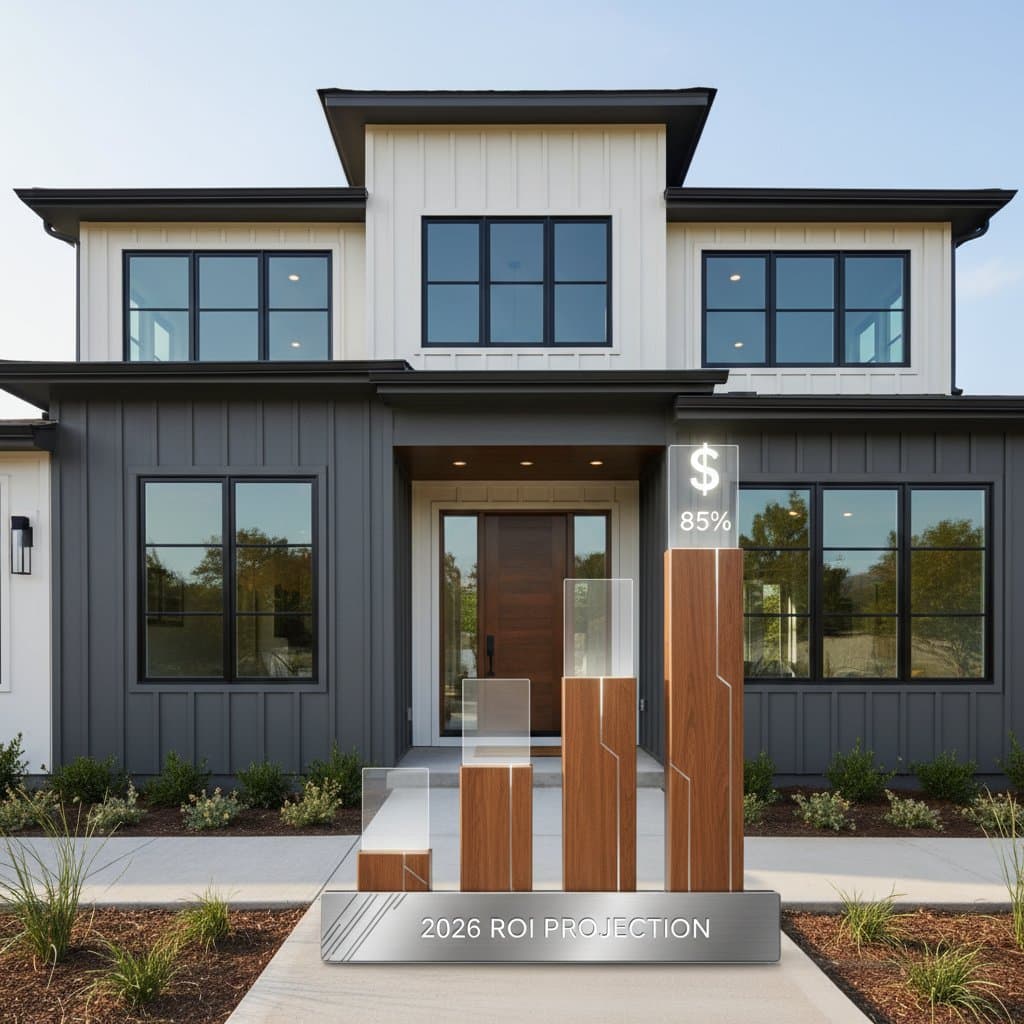
Understanding the 85% ROI for Fiber Cement Siding in 2026
Homeowners seeking to enhance property value often turn to exterior improvements that deliver both aesthetic appeal and financial returns. Fiber cement siding stands out in this category, projected to recoup 85 percent of installation costs upon resale by 2026. This high return stems from its ability to provide a premium look, resist environmental damage, and minimize ongoing expenses, making it a smart choice for forward-thinking upgrades.
This article details the factors contributing to fiber cement's strong performance, including material selection, installation best practices, and strategies for maximizing long-term benefits. By focusing on these elements, you can ensure your investment aligns with market demands and buyer preferences.
Selecting the Right Material and Profiles
Fiber cement siding consists of a blend of cement, sand, and cellulose fibers, formed into durable planks or panels. This composition mimics the elegance of wood while eliminating vulnerabilities like rot or insect damage, resulting in a material that withstands harsh weather conditions over decades.
Comparing Siding Materials
To evaluate fiber cement against alternatives, consider key performance metrics. The table below highlights differences in longevity, upkeep, and other attributes.
| Material Type | Lifespan | Maintenance | Fire Resistance | Moisture Resistance | Visual Range | Relative Cost |
|---|---|---|---|---|---|---|
| Vinyl | 20 to 30 years | Low | Poor | Fair | Moderate | Low |
| Wood | 15 to 25 years | High | Poor | Low | Excellent | Medium |
| Engineered Wood | 20 to 30 years | Moderate | Fair | Moderate | Good | Medium |
| Fiber Cement | 30 to 50 years | Low | Excellent | Excellent | Excellent | High |
Key Advantages and Drawbacks
Advantages:
- Provides a noncombustible barrier, ideal for regions with wildfire risks or strict building codes.
- Resists decay, pests, and structural deformation, ensuring consistent performance.
- Holds paint finishes for extended periods, reducing repaint frequency.
- Maintains dimensional stability across extreme temperatures and humidity levels.
Drawbacks:
- Exceeds the weight of lighter options like vinyl, necessitating professional handling during installation.
- Generates fine silica dust when cut, requiring specialized tools and protective measures.
- Involves a premium upfront investment compared to budget materials.
Achieving Balanced Design with Textures
For a cohesive exterior, integrate various profiles thoughtfully. Opt for lap siding as the primary style on at least 70 percent of wall surfaces, then incorporate vertical panels or shingle elements sparingly on gables or architectural features. Select trim that complements the main texture to create a unified appearance without overwhelming the design.
To implement this, sketch your facade layout beforehand and consult with a designer to test combinations. Such planning prevents visual chaos and enhances the home's architectural harmony.
Essential Insights on Material Performance
Fiber cement's superior resistance to fire and moisture not only extends its lifespan but also bolsters home insurance eligibility and passes rigorous inspections. These qualities translate to higher buyer confidence, directly supporting the projected 85 percent resale recovery. Choose profiles that suit your home's style, from traditional shakes to modern smooth panels, to align aesthetics with practical durability.
Ensuring Proper Installation for Lasting Results
The effectiveness of fiber cement siding depends heavily on installation precision. Its substantial weight and inflexible nature demand meticulous techniques to avoid future issues like cracking or water infiltration.
Building a Waterproof Envelope
Start with a robust foundation by applying a seamless weather-resistant barrier over the sheathing. Integrate metal flashing around windows, doors, and roof junctions to direct water away from vulnerable areas. Establish clearances of two inches above ground level and one inch at horizontal edges to block capillary action and promote drainage.
During the process, inspect each layer for gaps and seal them promptly. This layered approach forms a reliable defense against moisture, preserving the siding's integrity for years.
Identifying and Avoiding Pitfalls
Watch for these frequent installation errors that compromise performance:
- Nailing errors: Drive fasteners flush but not beyond, as overdriving fractures the material; underdriving allows movement and wind damage.
- Flashing omissions: Unprotected joints at corners or seams permit water to seep behind the siding, leading to hidden rot.
- Caulking shortcomings: Unsealed edges around trim or penetrations create entry points for pests and precipitation.
Address these by conducting daily site checks and using manufacturer-recommended tools, such as pneumatic nailers calibrated for fiber cement.
Preparing the Site and Managing Impacts
Preparation minimizes disruptions and ensures safety. Equip cutting tools with vacuum attachments to capture silica dust, and cover adjacent surfaces like driveways or gardens with tarps. Inform neighbors in advance about the project timeline, noise levels, and dust control measures to foster cooperation and prevent complaints.
Post-installation, sweep the area thoroughly and dispose of waste responsibly, often through certified recycling for construction debris.
Critical Steps for Installation Success
Insist on detailed written specifications that adhere to the manufacturer's protocols, including fastener types and spacing. Regular quality checks during the job safeguard the warranty and contribute to a flawless finish that upholds the material's value proposition. A well-executed installation not only prevents costly repairs but also reinforces the siding's role in elevating your home's market position.
Choosing and Working with Contractors
The contractor you select plays a pivotal role in realizing fiber cement's benefits. Prioritize experience over the lowest bid to secure reliable workmanship that aligns with your vision.
Building a Comprehensive Bid
Request proposals that outline specifics:
- Brand, thickness, and plank exposure for the siding.
- Details on the weather barrier, including type and application method.
- Trim specifications, such as materials for corners, frieze boards, and soffits.
- Finishing options, whether field-applied paint or pre-finished panels.
- Plans for removing and recycling existing siding.
- Handling of permits, inspections, and compliance with local codes.
These elements ensure no aspect of the project falls through the cracks.
Evaluating and Negotiating Bids
Break down bids into material, labor, and ancillary costs for accurate comparisons. Review contractor portfolios, contact recent clients for feedback, and verify licensing and bonding. Be wary of bids that skimp on essentials like proper flashing, as these shortcuts often result in escalated repair expenses down the line.
Negotiate inclusions such as a post-installation walkthrough to address any imperfections before final payment.
Structuring Secure Payments
Link disbursements to project progress:
- Initial deposit limited to 10 percent, reserved for scheduling.
- Release upon delivery and inspection of materials at the site.
- Midway payment following completion of substrate preparation and initial framing.
- Balance due only after a thorough final inspection, cleanup, and sign-off on all details.
Retain 5 to 10 percent in escrow until the manufacturer confirms adherence to guidelines, providing leverage for accountability.
Strategies for Contractor Collaboration
Clear communication from the outset sets the tone for success. Establish a shared timeline with weekly updates and document all agreements in writing. This methodical approach minimizes misunderstandings, delivers a high-quality outcome, and protects your investment in fiber cement's enduring value.
Maximizing Long-Term Value and Enjoyment
After installation, fiber cement siding enhances your home's exterior with a sophisticated finish that appeals to discerning buyers. Its low-maintenance profile allows more time for enjoyment rather than repairs, while the 85 percent ROI underscores its reliability as a value driver.
Maintain the surface by inspecting seals annually and refreshing paint every 10 to 15 years, depending on exposure. Keep records of the installation process, including warranties and service history, to demonstrate quality to potential buyers.
In comparison to other materials, fiber cement's initial cost yields substantial savings over time through reduced upkeep and superior resilience. Homeowners who invest thoughtfully in this upgrade experience not just an improved living environment but also a strategic asset that appreciates with the market. Plan your project with these principles to secure both immediate satisfaction and future financial gains.