
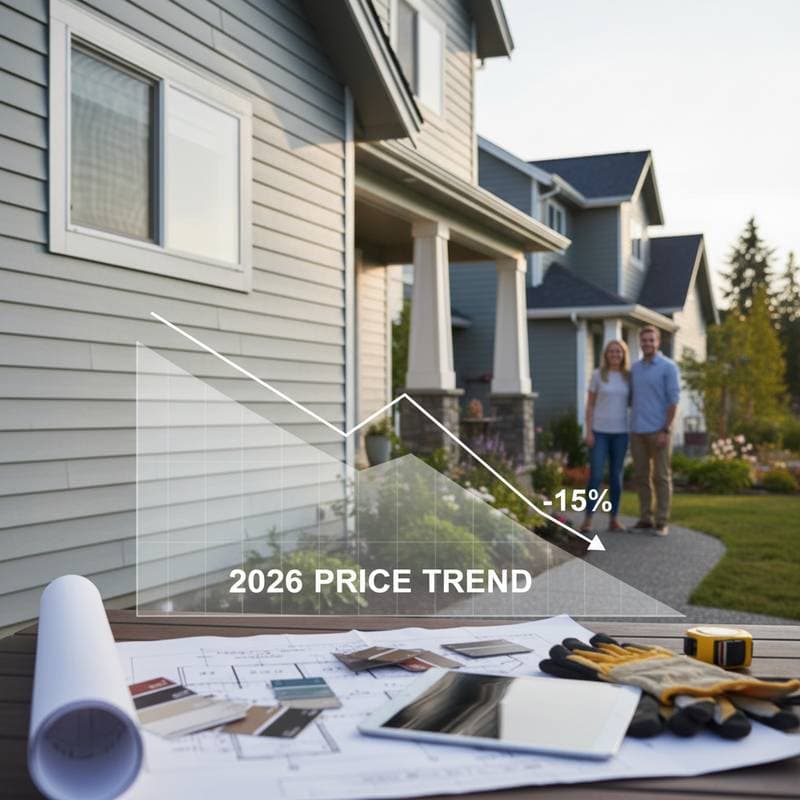
Understanding the 15% Price Drop in Vinyl Siding for 2026
Vinyl siding prices are projected to decrease by approximately 15 percent in 2026, according to industry analysts and contractors. This decline stems from advancements in production techniques, resolution of previous supply chain disruptions, and evolving patterns in homeowner preferences. Property owners who are considering exterior renovations will find this development advantageous, as it presents opportunities for cost savings and informed decisions on materials.
Several key factors contribute to this anticipated reduction. First, manufacturers have invested in automated production lines that enhance efficiency and minimize waste. These innovations lower operational costs, which directly translate to reduced prices for end users. Second, the stabilization of raw material supplies, particularly polyvinyl chloride resins, plays a significant role. Global sourcing improvements and decreased volatility in petrochemical markets ensure more consistent availability. Third, an increase in skilled labor within the construction sector addresses previous shortages, further streamlining installation processes and reducing overall project expenses.
Homeowners stand to benefit from these changes in multiple ways. Budgets can stretch further, allowing for higher-quality selections or expanded project scopes. For instance, families upgrading older homes can incorporate energy-efficient options without exceeding financial limits. Contractors also note that this price adjustment encourages proactive planning, as demand may rise once the drop becomes evident, potentially leading to temporary surges in material costs later.
Exploring Styles and Selection Options
Vinyl siding offers a variety of profiles tailored to diverse architectural aesthetics and financial considerations. Selecting the appropriate style involves evaluating the home's existing design, local climate, and long-term maintenance preferences.
Primary Profiles
- Clapboard Profile: This option features a flat surface with a subtle shadow line, providing a clean and versatile appearance that complements traditional suburban residences.
- Dutch Lap Profile: Characterized by an angled upper edge that creates a pronounced shadow effect, this style enhances the visual depth of colonial or historical home exteriors.
- Board and Batten Profile: Arranged in a vertical orientation with prominent raised seams, it has gained popularity for contemporary farmhouse designs, adding texture and modernity to facades.
Material Quality Levels
- Economy Panels: Constructed with thinner gauges, these suit budget-conscious applications such as rental properties or outbuildings where basic protection suffices.
- Premium Panels: Built thicker for greater rigidity, they withstand environmental stresses like warping and hail impacts, ensuring longevity in demanding conditions.
- Insulated Panels: Integrated with foam backing, these provide superior thermal performance, typically increasing costs by about 40 percent yet significantly cutting energy bills through reduced heat transfer.
Many homeowners combine horizontal and vertical elements to create dynamic wall treatments that mitigate the monotony of expansive surfaces. Neutral trim colors maintain harmony and boost property resale potential by appealing to a broad audience.
To make an informed choice, consider consulting with a design professional early in the process. Samples viewed in natural light reveal true color tones and textures, preventing surprises during installation.
Assessing Durability and Safety Features
Vinyl siding demonstrates strong resistance to common threats such as moisture, insects, and rot, making it a reliable choice for exterior protection. However, exposure to intense direct heat can cause softening, so placement and ventilation matter in warmer regions.
In areas prone to wildfires, building codes might restrict vinyl usage near boundaries to minimize fire spread risks. Always verify compliance with local regulations before proceeding. Impact resistance depends on panel thickness; review ASTM standards printed on product packaging to match specifications to your location's weather patterns.
Essential Maintenance Guidelines
- Perform an annual rinse using a mild detergent solution to remove dirt and prevent buildup.
- Limit pressure washer settings to no more than 1300 psi to avoid surface damage.
- Examine J-channels and flashing components following severe weather events for any shifts or wear.
- Reapply caulk around windows, doors, and other penetrations every few years to seal gaps effectively.
Manufacturer warranties typically range from 20 to 50 years, varying by product line and proper installation practices. Retain all documentation, including receipts and installation photographs, to support any future claims.
Regular upkeep not only extends the material's lifespan but also preserves the home's aesthetic integrity. Neglecting these steps can lead to premature fading or detachment, increasing repair costs over time.
Preparing for Your Vinyl Siding Project
Successful vinyl siding installations begin with thorough preparation, ensuring efficiency and quality outcomes. Follow these steps to align expectations with practical execution.
- Establish Project Objectives: Determine whether the focus is purely aesthetic enhancement or includes energy efficiency improvements, such as integrating insulated panels.
- Solicit Detailed Bids: Obtain quotes that itemize materials, labor, and waste disposal separately, allowing for accurate comparisons among contractors.
- Evaluate Physical Samples: Test color chips in outdoor daylight conditions to assess how hues interact with your home's surroundings and lighting.
- Prepare the Site: Remove nearby landscaping obstacles and ensure access to electrical outlets for tools and equipment.
- Monitor Progress Daily: Observe key stages, including panel alignment, fastener placement at consistent intervals, and precise trimming for a seamless finish.
Engage licensed professionals who adhere to industry best practices, such as using corrosion-resistant fasteners and proper underlayment. This approach minimizes callbacks and safeguards your investment.
Budget for contingencies, allocating 10 to 15 percent extra for unforeseen issues like hidden structural repairs. Timing the project during the price drop window maximizes savings, but schedule in advance to avoid peak season delays.
Capitalizing on Savings for Long-Term Value
The forthcoming 15 percent reduction in vinyl siding prices creates a strategic moment for homeowners to invest in durable exterior enhancements. By securing materials ahead of potential demand spikes, contractors can lock in favorable rates and pass savings directly to clients.
Thoughtful project scoping, adherence to building codes, and selection of harmonious designs enable substantial financial relief without compromising visual appeal. These upgrades not only elevate curb appeal but also contribute to energy savings and increased property value over decades. Plan now to transform your home's exterior into a resilient, attractive feature that withstands time and elements.