
Fiber Cement Siding Delivers 88% ROI Across Residential Markets
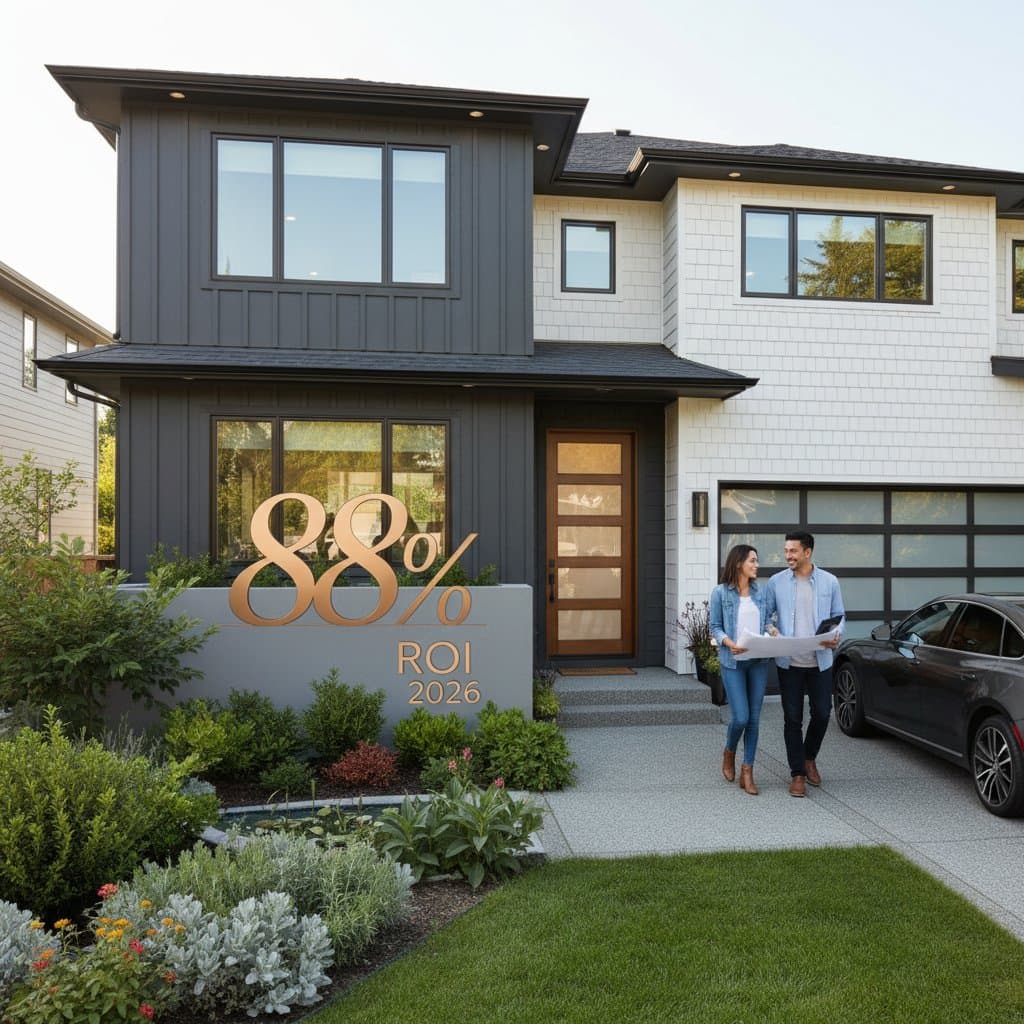
Homeowners embarking on exterior renovations frequently seek siding options that maximize return on investment. Fiber cement siding stands out for its reliable performance, enhanced curb appeal, and elevated resale potential. In numerous markets, this choice ranks highly among remodeling initiatives for the percentage of costs recovered upon sale. Industry data points to an 88 percent return on investment, a figure that underscores the material's longevity and the assurance it provides to prospective buyers seeking enduring, low-maintenance exteriors.
Fiber cement siding consists of a blend of cement, sand, and cellulose fibers, formed into panels or planks that replicate the appearance of wood, masonry, or stucco. This composition ensures strong adhesion for paints, resistance to decay and pests, and endurance against severe weather conditions. The balance of authentic aesthetics and robust durability accounts for its favorable position in resale valuations.
The following sections provide a thorough overview of planning, choosing, and sustaining a fiber cement siding installation to secure this high return.
Understanding Styles and Selection Criteria
Primary Profiles
- Lap siding: Overlapping horizontal planks that fit a wide range of architectural styles, from traditional to transitional.
- Board and batten: Vertical panels separated by raised battens, popular in modern farmhouse or rustic exteriors for added texture.
- Shingle panels: Imitation cedar shake sheets, perfect for gable ends and decorative accents to evoke historic charm.
- Smooth panels: Expansive flat sheets ideal for sleek, contemporary, or minimalist building facades.
Variations in Materials
Fiber cement products maintain a consistent core makeup, yet manufacturers differ in finish applications and board densities. Denser boards offer superior impact resistance, though they demand more effort during cutting. Certain product lines arrive prefinished for convenience, while others necessitate on-site painting. Proper installation ensures equivalent performance across these variants.
Advantages
- Provides fire resistance and remains non-combustible under exposure.
- Withstands rot, termite damage, and excess moisture without degradation.
- Retains paint adhesion far longer than traditional wood surfaces.
- Replicates natural textures and grains while eliminating routine preservation demands.
Disadvantages
- Exceeds the weight of vinyl or engineered wood alternatives, affecting handling.
- Necessitates dedicated cutting tools and respiratory safeguards during fabrication.
- Requires painting or sealing at edges to safeguard against environmental exposure.
Combining Profiles Effectively
Design professionals often pair lap siding on primary walls with shingle panels in upper gables to introduce visual depth. Such combinations enhance interest while simplifying long-term care. Maintain uniform trim colors throughout to unify the overall appearance and prevent disjointed visuals.
Guidelines for Trim and Accents
Incorporate fiber cement or PVC trim elements around windows, doors, and corner joints to preserve uniform strength. Install metal flashing beneath trim layers to block moisture penetration and protect underlying structures. Select colors that harmonize with the siding palette, considering factors like regional climate and sunlight exposure for fade resistance. Opt for semi-gloss finishes on trim to facilitate cleaning and highlight architectural details.
Practical Application Examples
- Ranch-style residence: Employ horizontal lap siding paired with smooth trim for a streamlined, understated profile that emphasizes horizontal lines.
- Craftsman bungalow: Install lap siding on lower sections, integrate shingle accents in gables, and apply broad painted trim to accentuate artisanal features.
- Contemporary dwelling: Utilize smooth panels accented by precise metal reveals, fostering sharp edges and modern simplicity.
- Coastal residence: Choose textured lap siding enhanced with specialized coatings to combat salt air corrosion and humidity.
Comprehensive Project Preparation Steps
1. Establish Objectives and Project Boundaries
Determine if the initiative focuses solely on aesthetics or integrates broader improvements for energy efficiency or moisture control. Catalog every surface targeted for replacement, such as soffits, trim components, and ancillary features. Prioritize elements from the outset to manage expenses and avoid scope expansion.
2. Identify and Evaluate Contractors
Target contractors experienced specifically with fiber cement installations. Request visual documentation of previous projects and contactable references to assess reliability. Scrutinize bids item by item, confirming inclusion of demolition, moisture barriers, flashing integration, trim work, and finishing coats. Steer clear of unusually low estimates, which might exclude essential procedures and lead to future issues.
3. Review Samples and Secure Approvals
Obtain a full-scale mockup wall or substantial samples finished in selected colors to evaluate realism. Examine aspects like surface texture, joint placements, and trim integrations prior to commencement. Finalize approvals at this stage to sidestep expensive modifications during active construction.
4. Prepare the Site and Coordinate Logistics
Remove obstacles from the surrounding area, including outdoor furnishings, landscaping, and sensitive items. Ensure availability of power sources and water access for crew operations. Anticipate elevated noise levels, dust generation, and temporary material storage. Construction teams typically begin at dawn and require unobstructed entry to parking areas and entry points.
5. Conduct Inspections at Key Phases
Examine underlying sheathing immediately following removal of existing siding to identify any damage. Verify proper placement of flashing and weather-resistant barriers before attaching new panels. Assess alignment and levelness after completing the initial wall segment to guarantee even progression. Perform a thorough final review to confirm complete paint application, sealed caulk joints, and site restoration.
Essential Maintenance Protocols
| Task | Frequency | Objective |
|---|---|---|
| Clean siding surfaces | Annually | Eliminate accumulated dirt and mildew growth |
| Examine caulk joints | Biannually | Block potential water entry points |
| Apply fresh paint | Every 10-15 years | Preserve protective coating layers |
| Prune nearby plants | Continuously | Minimize physical wear and dampness retention |
| Verify fastener integrity | Periodically, every 2-3 years | Confirm secure attachment of panels |
Consistent adherence to this schedule preserves the siding's appearance and bolsters its contribution to resale value.
Addressing Frequent Inquiries
In what ways does fiber cement siding outperform vinyl in terms of return on investment?
Vinyl presents lower initial costs, yet it yields a reduced recovery percentage during property sales. Buyers perceive fiber cement as a superior enhancement due to its robustness and refined aesthetics, which elevates the overall investment return.
Is self-installation of fiber cement siding feasible?
While possible for skilled individuals, professional installation is strongly advised. The material's substantial weight, combined with the need for precise cutting equipment and protective measures, poses challenges. Errors in fastening or sealing can compromise warranties and invite moisture-related complications.
Maximizing Benefits Through Everyday Integration
Integrating fiber cement siding into daily home life enhances both functionality and enjoyment. Its weather-resistant properties reduce seasonal worries, allowing focus on interior comforts. Over time, the material's stability supports property appreciation, making it a strategic choice for forward-thinking homeowners. By following outlined practices, owners realize sustained value and aesthetic satisfaction well into the future.