
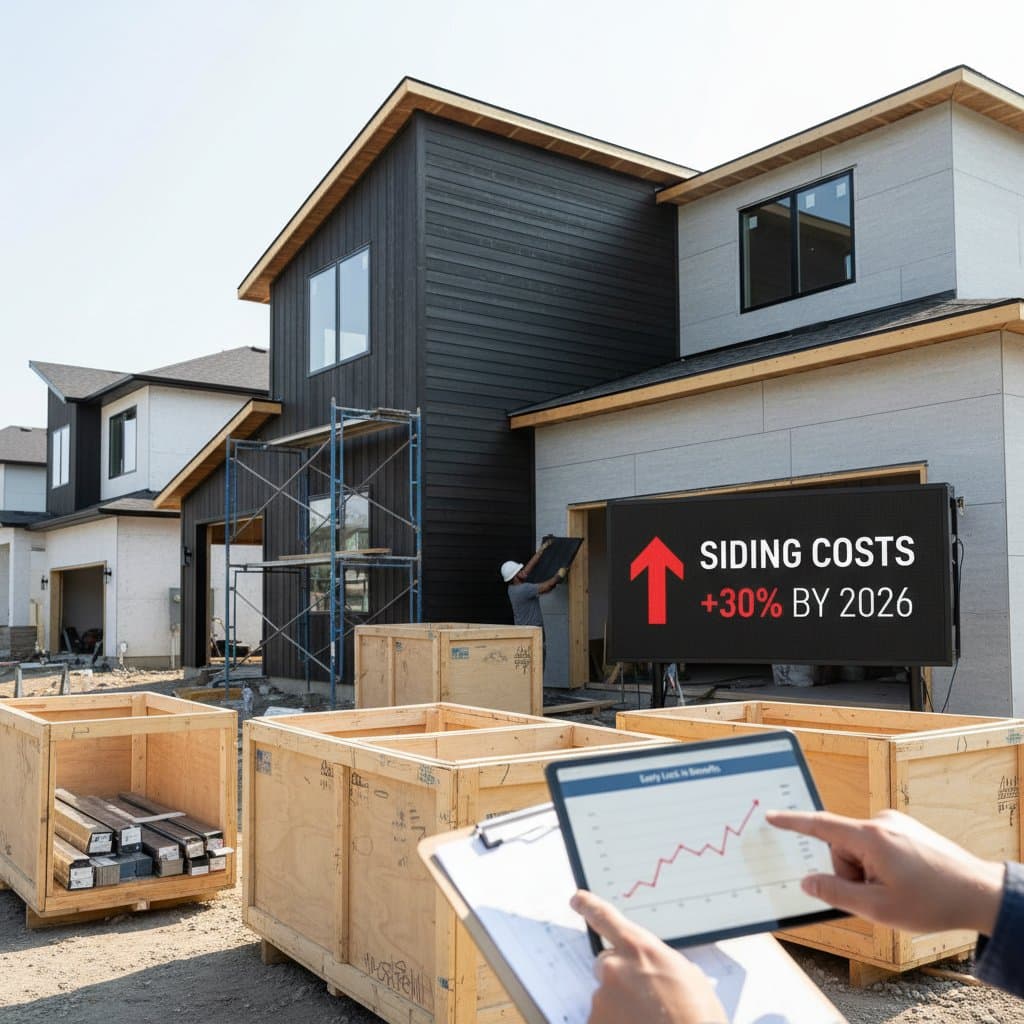
2026 Siding Shortages: Prices Set to Rise 30%
Homeowners who plan exterior renovations must prepare for substantial increases in siding costs. Supply constraints, elevated transportation expenses, and growing demand for resilient cladding materials propel prices upward across various options. Industry analysts forecast a thirty percent rise in siding costs over the next cycle. This shift impacts budgets, project timelines, resale potential, and ongoing maintenance strategies.
This guide details the implications of the shortage for residential properties. It outlines planning strategies to navigate the challenges. Readers gain insights into decisions that preserve value amid escalating material prices.
Understanding the Shortage Drivers
Several factors converge to create the projected siding shortage by 2026. Global supply chain disruptions limit raw material availability, particularly for fiber cement and engineered wood components. Transportation costs escalate due to fuel price volatility and logistical bottlenecks. Meanwhile, demand surges from widespread home improvement initiatives and stricter building codes favoring durable exteriors.
These elements compound to strain manufacturers and distributors. Production facilities operate at capacity, leading to extended lead times. Homeowners face delays if they postpone decisions. Early action secures materials at current rates and avoids rushed choices under pressure.
Material and Profile Choices
Selecting appropriate siding under shortage conditions requires balancing immediate availability with long-term performance. Certain products face backorders lasting several months, which underscores the need for adaptability. Prioritize options with confirmed stock from reliable suppliers.
The following table compares key material types based on essential attributes:
| Material Type | Pros | Cons | Maintenance | Fire/Moisture Resistance |
|---|---|---|---|---|
| Vinyl | Low initial cost, extensive color options | Prone to warping in extreme heat, challenging repairs | Wash surfaces twice annually | Moderate fire rating, effective moisture resistance |
| Fiber Cement | Superior durability, enhances perceived home value | Substantial weight increases labor demands | Repaint every 10 to 12 years | Excellent fire resistance, stable against moisture |
| Engineered Wood | Authentic aesthetic appeal, reduced weight | Necessitates sealing at all cut edges | Inspect and refresh finish yearly | Moderate fire rating, moisture-resistant sealed core |
| Metal (Steel or Aluminum) | Exceptional lifespan, impervious to insects | Susceptible to denting, requires periodic color touch-ups | Rinse annually to remove debris | Superior fire resistance, fully waterproof |
When incorporating multiple textures, maintain visual harmony. Opt for a primary horizontal pattern complemented by minimal accent panels. Avoid numerous conflicting profiles that disrupt the overall design. Consistent trim dimensions and uniform reveal lines ensure the exterior appears unified, especially in professional real estate photography.
Actionable takeaway: Verify material availability within your intended project timeline. Secure commitments for factory finishes prior to finalizing contracts. This step prevents unexpected substitutions that compromise the original vision.
Installation Quality and Risk Control
Availability of materials holds limited value without flawless installation. Effective weather barriers, precise flashing, and secure joint sealing dictate the siding's endurance and minimize future issues.
Common failure points include:
- Absence of kick-out flashing where roofs meet walls, allowing water accumulation
- Inadequate sealing around window trims, permitting moisture penetration
- Improperly sealed vertical joints in fiber cement installations, fostering leaks
- Insecure fasteners on vinyl panels, which loosen during thermal expansion
Preparation of the site proves equally critical. Installation teams must examine underlying sheathing for signs of deterioration before enclosing walls. They should contain construction debris to prevent neighborhood disruptions. Secure access paths support efficient workflows and reduce accident risks.
A meticulous approach to these elements streamlines inspections and wards off liability concerns. Homeowners benefit from structures that withstand environmental stresses over decades.
Actionable takeaway: Require contractors to photograph the installation of water barriers and flashing. These records serve as essential evidence for warranty enforcement in the future.
Contractor Selection and Bidding
As prices ascend, thorough evaluation of bids safeguards against unnecessary expenditures. Request comprehensive proposals that delineate inclusions and assign responsibilities for ancillary tasks.
Homeowners should scrutinize bids for clarity and completeness. Compare not only costs but also timelines, warranties, and references. Engage multiple contractors to foster competitive pricing without sacrificing quality.
Essential scope checklist:
- Specify material type, thickness, and finish specifications
- Detail weather barrier and flashing components
- Outline trim profiles, ventilation features, and accessory elements
- Confirm provisions for waste removal and site restoration
- Assign accountability for permits, fees, and inspection coordination
Beyond the checklist, inquire about crew experience with selected materials. Review past projects similar in scope to assess reliability. Written contracts that incorporate these details protect all parties and facilitate smooth execution.
Actionable takeaway: Obtain at least three bids and cross-reference them against the checklist. Negotiate inclusions for any gaps to align the project with budget constraints.
Sustaining Value Through Maintenance
Elevated siding prices might delay certain renovation schedules, yet strategic planning yields enduring benefits. True worth derives from resilient materials, precise installation, and diligent upkeep rather than minimal upfront costs.
Establish a routine maintenance calendar tailored to the chosen material. For vinyl, schedule biannual cleanings to preserve appearance. Fiber cement benefits from decennial repainting to maintain protective coatings. Regular inspections identify minor issues before they escalate into costly repairs.
These practices extend the siding's service life and bolster home equity. They shield against elemental damage and market fluctuations. Homeowners who invest thoughtfully enjoy enhanced curb appeal and reliable performance for years ahead.