
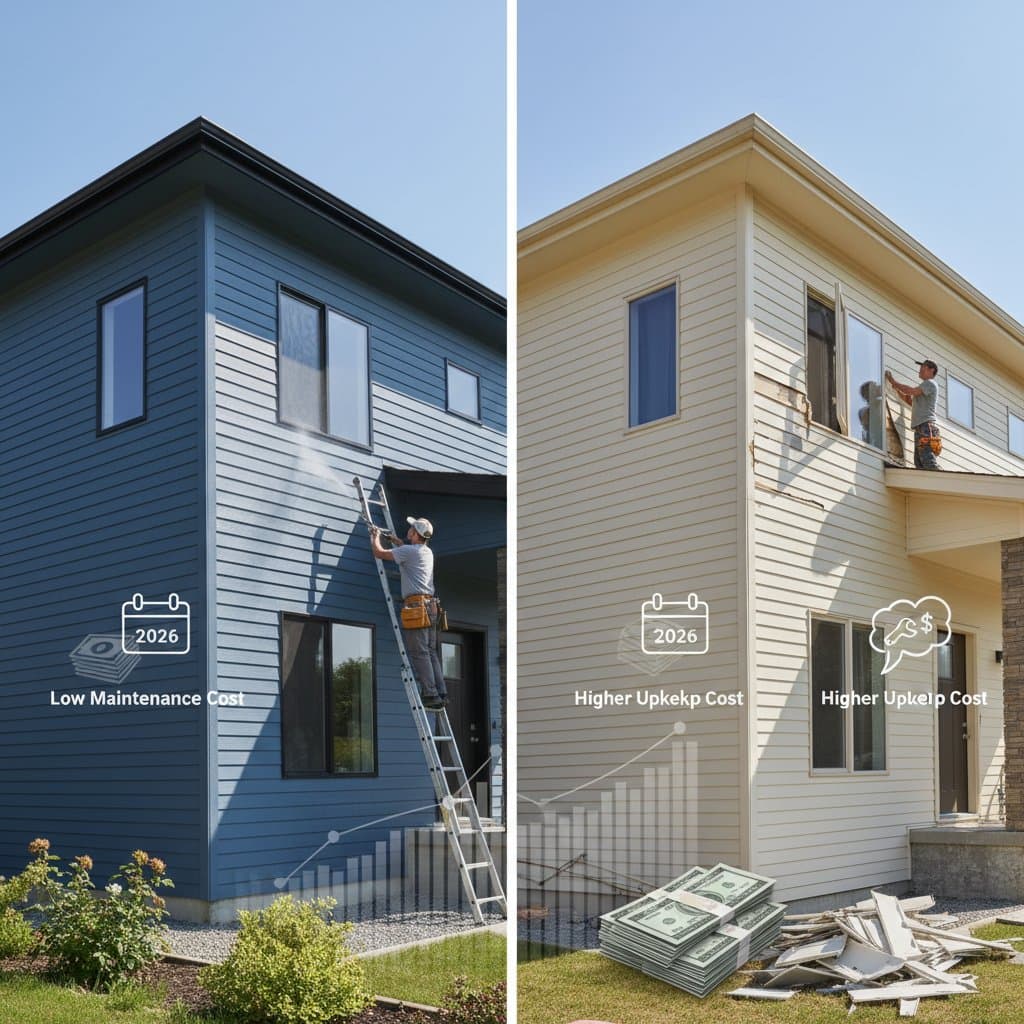
The True 10-Year Cost Comparison: Fiber Cement vs. Vinyl Siding
Homeowners frequently evaluate fiber cement and vinyl siding based on initial purchase prices, yet a comprehensive assessment requires examining expenses over ten years amid varying weather conditions, routine cleaning, and occasional repairs. Each material provides effective protection for the home, but they demonstrate distinct aging patterns and maintenance demands. Understanding this extended timeline enables accurate budgeting that accounts for potential repaints or panel replacements.
Comprehensive Cost and Planning Overview
A complete siding installation encompasses demolition of old materials, application of weatherproofing barriers, precise panel placement, and finishing touches. While material expenses form one component, labor and project duration significantly influence the overall investment.
Fiber Cement Installation Details
Fiber cement boards possess greater weight, necessitating two-person teams for safe handling and specialized cutting tools to avoid damage. Professionals typically apply paint post-installation, which extends both the timeline and budget. For a standard single-family home, anticipate total project costs ranging from $18,000 to $28,000, depending on square footage and regional factors.
Vinyl Siding Installation Details
Vinyl panels feature lightweight construction that allows for rapid interlocking during assembly. These materials arrive pre-finished, eliminating the need for on-site painting and simplifying trim integration. Expect overall expenses to fall between $11,000 and $17,000 for a comparable home.
Key Factors Influencing Costs
- Home Height and Stories. Multi-story structures demand additional scaffolding, safety equipment, and extended labor hours.
- Condition of Existing Surfaces. Issues such as underlying rot, irregular sheathing, or hazardous materials like lead paint require remediation, inflating expenses.
- Architectural Details. Intricate elements including corners, soffits, and window surrounds increase the time required for precise fitting.
- Local Labor Variations. Crews in metropolitan areas command higher rates, whereas those in rural settings often submit more competitive bids.
Project Timeline Expectations
- Bidding and contract finalization: 1 week
- Material procurement and site preparation: 3 to 5 days
- Core installation phase: 5 to 10 working days
- Inspection, finishing, and cleanup: 1 to 2 days
Most municipalities mandate permits to verify compliance with building codes. Inspectors scrutinize aspects such as nail placement, proper flashing installation, and adherence to fire safety standards prior to sign-off. To minimize disruptions, ensure unobstructed access to the site and coordinate the temporary relocation of exterior fixtures like light fixtures or downspouts.
Style Options and Material Selection Guide
Fiber cement and vinyl siding offer versatile profiles such as horizontal lap, board-and-batten, and shingle designs, allowing customization to match the home's proportions and environmental demands.
Fiber Cement Profile Choices
- Smooth horizontal lap suits contemporary architectures with clean lines.
- Wood-grain textures enhance traditional or craftsman-style exteriors.
- Staggered shingle patterns provide visual interest for gable ends and decorative accents.
Vinyl Profile Choices
- Dutch lap configurations complement colonial or ranch house designs.
- Vertical paneling fits farmhouse or seaside aesthetics effectively.
- Cedar-imitation textures deliver a rustic appearance without ongoing upkeep.
Comparative Strengths and Limitations
| Material | Strengths | Limitations |
|---|---|---|
| Fiber Cement | Superior fire resistance, dimensional stability in extreme temperatures, customizable painting options | Increased weight complicates handling, requires repainting every 8 to 10 years |
| Vinyl | Lightweight for easy installation, cost-effective, maintenance-free finish | Prone to cracking in subzero conditions, susceptible to fading from intense UV exposure |
Homeowners may combine materials strategically, such as applying vinyl to upper elevations for affordability and fiber cement to lower sections for enhanced impact protection against ground-level hazards.
Durability, Safety, and Long-Term Performance
Local climate serves as the primary determinant of siding longevity, with elements like humidity, thermal fluctuations, and gusty winds challenging material integrity over time.
Handling Weather and Moisture Challenges
Fiber cement maintains structural integrity against moisture when sealed and caulked according to manufacturer specifications, preventing swelling or decay. Vinyl effectively repels surface water, though inadequate ventilation behind panels can lead to sheathing mold if moisture accumulates.
Fire Resistance and Impact Durability
Fiber cement achieves the highest fire ratings and remains non-combustible, offering peace of mind in wildfire-prone regions. Vinyl, while functional, may warp under prolonged high-heat exposure, such as from nearby barbecues or sun-reflecting glass surfaces.
Strategies to Avoid Common Issues
- Install breathable house wrap and metal flashing in full compliance with local codes to direct water away from vulnerable areas.
- Position siding at least one inch above soil grade to deter capillary wicking.
- Select corrosion-resistant fasteners like stainless steel or galvanized nails to eliminate rust-related discoloration.
Recommended Maintenance Routine
- Perform annual cleaning on both materials using gentle soap solutions and non-abrasive brushes to remove dirt and mildew.
- For fiber cement, schedule repainting upon noticing surface chalking or color dullness, typically within the first decade.
- Following severe weather like high winds or hail, examine vinyl for seam gaps or fractures and replace affected panels immediately to prevent further damage.
Understanding Warranty Coverage
Fiber cement products generally include 30- to 50-year warranties on structural components, with separate, shorter terms for applied finishes. Vinyl guarantees address fading and material defects, but exclude labor costs for repairs. Review policy details carefully, as improper modifications like using unapproved cutting tools may invalidate protection.
Essential Preparation Steps for Your Siding Project
- Establish Project Objectives. Prioritize factors such as extended paint durability, minimal initial outlay, or optimal fire safety based on your needs.
- Vet Potential Contractors. Request evidence of specialized manufacturer certifications and portfolios of completed installations.
- Evaluate Detailed Proposals. Ensure each bid itemizes demolition, surface preparation, material specifications, trim work, and debris disposal.
- Examine Physical Samples. View siding pieces under natural daylight to assess true color rendition and surface texture.
- Organize the Worksite. Trim back vegetation, relocate automobiles, and verify availability of electrical outlets for power tools.
- Oversee Installation Quality. Verify alignment of joints, consistency in fastening, and adequate expansion gaps before authorizing final payment.
Maximizing Value Over a Decade of Ownership
In most scenarios, vinyl siding yields lower cumulative costs across ten years due to reduced maintenance needs, though fiber cement delivers superior robustness against fire, wind, and noise transmission. Owners of vinyl may incur occasional panel replacements from fading or impacts, offsetting some savings.
Evaluate options through the lens of total ownership: initial materials and labor, periodic repaints or fixes, cleaning efforts, and minor upkeep. With proper installation, regular inspections, and proactive care, either siding choice can exceed its initial decade of service, enhancing home protection and curb appeal.