
Fiber Cement vs Vinyl Siding: Maximizing ROI by Climate Zone
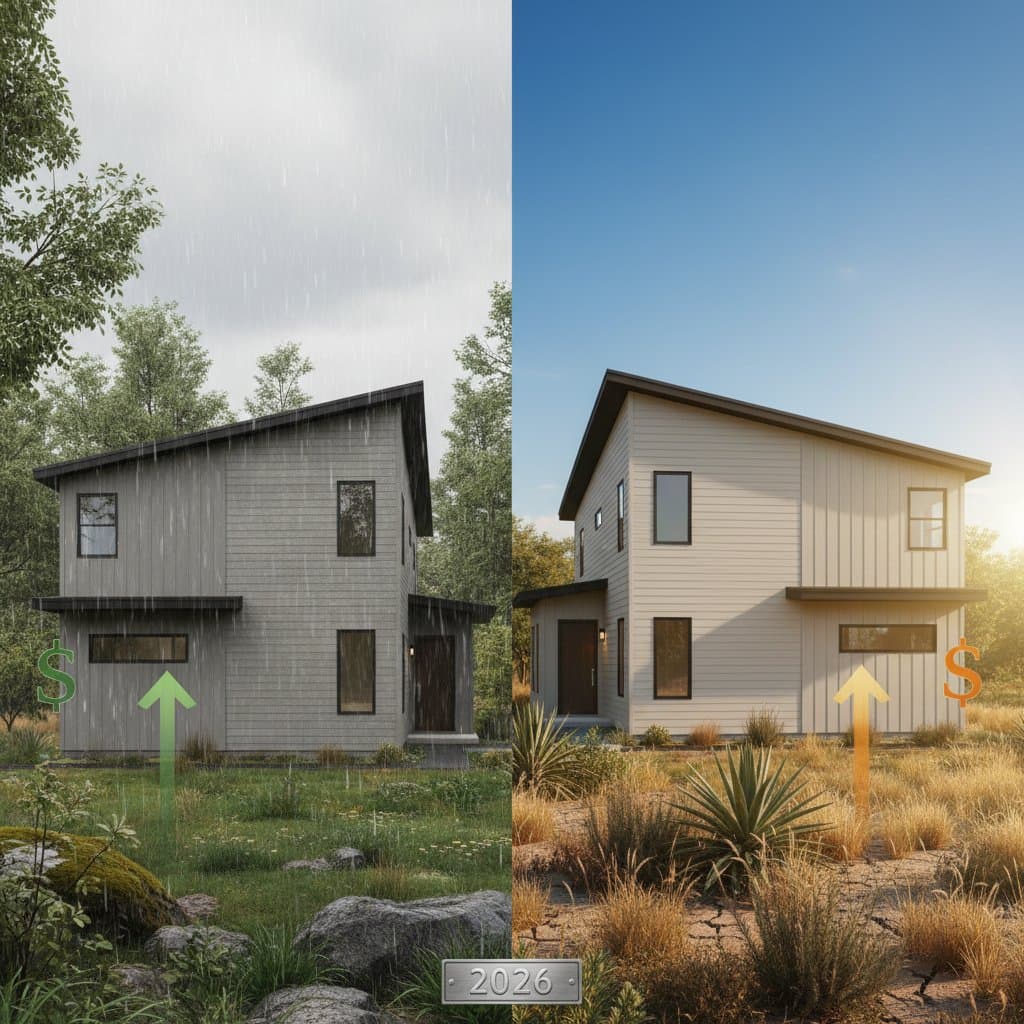
Selecting between fiber cement and vinyl siding involves more than aesthetics; it requires careful consideration of financial returns. Return on investment hinges on regional weather patterns, upkeep demands, and energy efficiency. These materials shield homes effectively over many years, yet their performance varies by environment. Homeowners benefit from evaluating initial expenses, longevity, and potential boosts to property value.
Fiber cement siding, composed of cement, sand, and cellulose fibers, provides robust protection in challenging conditions. Vinyl siding, made from polyvinyl chloride, offers affordability and ease of installation. Understanding these differences guides informed choices that align with specific locales.
Exploring Styles and Material Options
Key Profile Varieties
Vinyl siding appears in lap siding for horizontal lines, shake styles that imitate wooden shingles, and vertical panels for modern accents. It supports an extensive palette of colors, enabling versatile designs. Fiber cement mirrors these profiles while delivering enhanced texture, such as pronounced wood-grain patterns and defined shadow lines that enhance realism.
Both options integrate seamlessly with complementary elements like stone veneers or brick accents. For instance, pairing vinyl lap siding with stone bases creates a grounded appearance on ranch-style homes. Fiber cement shake siding pairs well with brick chimneys, adding depth to colonial facades.
Strengths and Limitations of Each Material
| Material | Strengths | Limitations |
|---|---|---|
| Vinyl | Affordable upfront pricing, rapid installation, no need for painting | Prone to cracking in subzero temperatures or warping in extreme heat above 140 degrees Fahrenheit |
| Fiber Cement | Superior resistance to fire and impacts, color retention over time, upscale aesthetic | Greater weight requires reinforced framing, periodic repainting after prolonged sun exposure |
Vinyl suits budget-conscious projects where speed matters. Fiber cement appeals to those prioritizing premium durability and visual sophistication.
Guidelines for Combining Materials
Maintain uniformity in the primary siding across large surfaces to preserve architectural harmony. Introduce accent materials sparingly, such as on gables, dormers, or upper levels, to add interest without overwhelming the design. Limit combinations to no more than two distinct textures per elevation; for example, use fiber cement boards on the main body and vinyl shakes on soffits.
This approach ensures balanced proportions and prevents visual clutter. Consult local building codes to confirm compatibility in mixed-material installations.
Durability and Safety Across Climate Zones
Performance in Varied Environments
In cold and snowy regions, fiber cement withstands repeated freeze-thaw cycles without degrading, unlike vinyl, which risks brittleness below 20 degrees Fahrenheit. Property owners in these areas report fiber cement maintaining integrity through harsh winters, contributing to higher long-term ROI via reduced repairs.
Hot and sunny climates favor vinyl's heat-reflective properties, enhanced by UV stabilizers that prevent color fading for up to 20 years. Fiber cement endures thermal expansion without distortion but may require touch-up painting every decade to combat sun-induced chalking.
Coastal or humid zones highlight fiber cement's strength against moisture and salt corrosion, especially when factory-primed edges receive proper sealing during installation. Vinyl performs adequately if ventilation gaps allow airflow, preventing mold buildup behind panels.
Wind-prone plains demand secure fastening for both; fiber cement's density offers marginal superiority in gusts exceeding 100 miles per hour, minimizing uplift risks.
Resistance to Fire, Moisture, and Impacts
Fiber cement qualifies as noncombustible, earning Class A fire ratings suitable for wildfire-prone areas like California's hillsides. It repels moisture penetration, reducing rot risks in rain-heavy regions.
Vinyl, while combustible, incorporates flame-retardant additives and self-extinguishes after fire source removal, meeting standard safety benchmarks. Impact tests show fiber cement absorbing hail strikes up to 2 inches in diameter with minimal damage, outperforming vinyl in storm-vulnerable zones.
Essential Maintenance Routines
| Task | Recommended Interval | Additional Guidance |
|---|---|---|
| Clean exterior surfaces | Annually | Use gentle detergent and a soft-bristle brush; avoid pressure washers over 1,500 PSI |
| Examine seals and joints | Biennially | Reapply silicone caulk to gaps wider than 1/8 inch |
| Repaint fiber cement | Every 10-15 years | Select 100% acrylic paints matching original sheen |
| Verify attachment points | Every 5 years | Replace corroded nails with galvanized alternatives |
Regular upkeep extends lifespan and preserves warranty coverage. Neglect in humid areas accelerates deterioration, eroding ROI.
Understanding Warranty Coverage
Vinyl manufacturers typically provide limited lifetime warranties against manufacturing defects for residential applications, covering fading and cracking. Fiber cement warranties span 25 to 50 years for the substrate, with 10 to 15 years for prefinished coatings, contingent on proper installation and maintenance.
Review terms for exclusions, such as improper venting or exposure to chemicals. Extended warranties often apply in severe climates, adding value to premium selections.
Preparing for Your Siding Installation
-
Establish project objectives. Prioritize factors like initial budget constraints, enhanced fire protection, or increased home equity through superior aesthetics.
-
Vet potential installers. Seek contractors with at least five years of experience in both materials; request portfolios from projects in comparable weather conditions.
-
Evaluate proposals. Scrutinize quotes for comprehensive inclusions, including underlayment, trim packages, flashing details, and any required painting services.
-
Test material samples. View swatches under natural daylight at different times to assess true color and texture; order extras for on-site verification.
-
Site preparation steps. Remove obstacles for equipment access, cover plants and hardscapes with tarps, and ensure stable ground for material staging.
-
Conduct inspections. During installation, check for even panel overlap (1 to 1.5 inches), uniform joint spacing, and complete paint adhesion; withhold final payment until satisfaction.
Permits and inspections vary by locality; allocate time for approvals to avoid delays.
Achieving Lasting Value Through Siding Choices
Return on investment materializes through extended service life and appeal to future buyers. In wet or fire-risk climates, fiber cement's resilience often yields 70-80% recoupment on remodeling costs, per industry benchmarks. Dry, temperate areas see vinyl delivering 60-75% ROI with its low-maintenance profile.
Success relies on professional installation ensuring ventilation and drainage, coupled with consistent care. Homeowners who select climate-matched siding enjoy enhanced energy savings, such as reduced heating bills in insulated fiber cement setups. This strategic approach transforms a home exterior into a durable asset that elevates daily living and market readiness.