
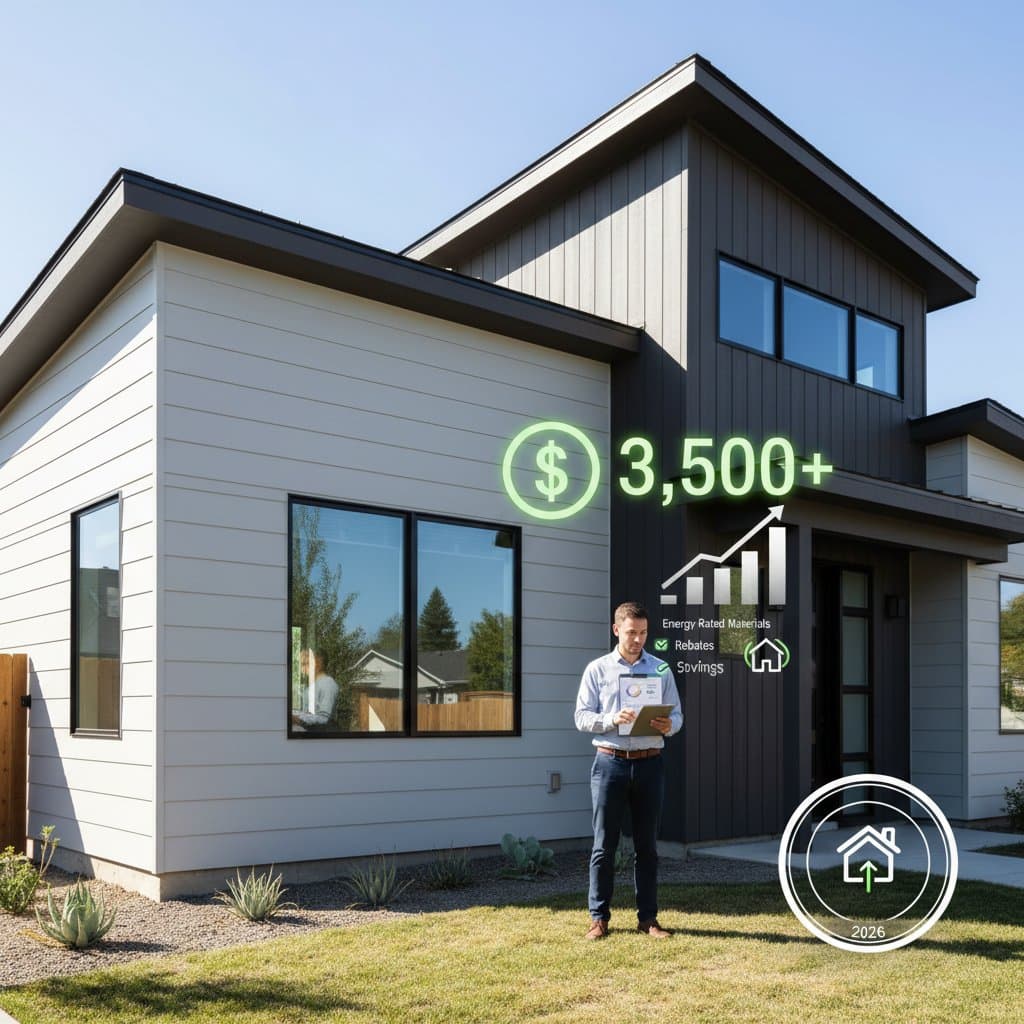
Maximize Savings with 2026 Siding Tax Credits
Homeowners who install energy-efficient siding in 2026 stand to benefit from federal tax credits designed to promote sustainable building practices. These credits, part of broader energy efficiency incentives, can offset up to $3,500 or more of project expenses when specific criteria are met. Eligible installations must incorporate materials that meet rigorous energy performance standards, such as reduced thermal conductivity and enhanced insulation values. Beyond the immediate financial relief, such upgrades contribute to a more comfortable living environment by minimizing heat loss in winter and heat gain in summer. Local utility companies often layer additional rebates on top of these federal benefits, potentially increasing total savings to exceed $5,000 for a standard home exterior project. To qualify, documentation including material specifications and professional installation records proves essential for tax season submissions.
Selecting the Right Siding for Your Home
Choosing siding involves balancing aesthetic appeal, energy performance, and durability to align with both personal style and tax credit requirements. Energy-efficient options typically feature built-in insulation layers or advanced compositions that slow heat transfer, directly supporting credit eligibility. Consider your home's architectural style and regional climate when making selections; for instance, homes in variable weather zones benefit most from materials that resist moisture and thermal extremes. Professional assessments can help identify the best fit, ensuring the chosen siding not only qualifies for incentives but also integrates seamlessly with existing features like windows and doors.
Profiles That Complement Architectural Styles
Siding profiles vary in design to suit different home aesthetics, each offering unique ways to enhance curb appeal while meeting energy standards.
- Lap siding: This horizontal profile suits traditional and colonial-style homes, providing a classic look with options for smooth, wood-grain, or textured surfaces that improve insulation when paired with foam backers.
- Board and batten: Vertical orientation works well for farmhouse or contemporary designs, creating a rhythmic pattern that adds height and modernity; energy-efficient versions include weather-resistant coatings.
- Shingle panels: These mimic natural cedar shakes and excel on gables, dormers, or accents, delivering subtle texture without sacrificing thermal performance in insulated formats.
- Metal panels: Sleek and minimalist, they align with modern or industrial architectures, often featuring reflective surfaces that reduce solar heat absorption for better energy efficiency.
Comparing Key Materials for Energy Efficiency
Different materials offer distinct advantages in energy savings, upkeep, longevity, and safety. The table below summarizes essential attributes to guide decisions, focusing on options certified for tax credit programs.
| Material | Energy Potential | Maintenance | Typical Lifespan | Fire Resistance |
|---|---|---|---|---|
| Insulated Vinyl | High (R-value up to 3.5) | Low (simple cleaning) | 25-40 years | Moderate |
| Fiber Cement | Moderate (R-value 2-3) | Moderate (occasional sealing) | 30-50 years | High |
| Engineered Wood | Moderate (R-value 2.5) | Medium (painting every 10 years) | 20-30 years | Moderate |
| Metal | Low to Moderate (reflective coatings boost efficiency) | Low (minimal intervention) | 40-60 years | High |
Insulated vinyl stands out for its affordability and superior insulation, making it a top choice for maximizing tax credits in moderate climates. Fiber cement provides robust protection against fire and pests, ideal for wildfire-prone areas. Engineered wood offers a natural appearance with treated surfaces for moisture resistance, while metal excels in durability and recyclability, often qualifying through low-emissivity finishes.
Integrating Trim and Accents Effectively
Trim elements frame the siding and protect vulnerable areas, contributing to the overall energy envelope of the home. Select trim from matching or complementary materials to avoid visual clashes; for example, pair vinyl siding with PVC trim for seamless expansion and contraction. Focus on corners, soffits, and window surrounds to seal gaps that could lead to air leaks. Opt for lighter neutral colors on larger surfaces to reflect sunlight, aligning with many energy certification guidelines. Proper accent placement, such as stone veneers at the base, adds dimension without compromising the facade's efficiency.
Preparing for a Successful Siding Installation
A well-prepared siding project ensures compliance with tax credit standards and minimizes disruptions. Start by evaluating your home's current exterior condition, including any underlying issues like rot or poor insulation, to inform material choices. Budgeting should account for material costs ranging from $5 to $15 per square foot, plus labor at $4 to $8 per square foot, with credits directly reducing these outlays. Engage certified contractors early to navigate permitting and incentive applications smoothly.
- Define project goals: Assess whether the focus lies on aesthetic refresh, improved insulation, or a combination; measure square footage and note climate-specific needs, such as wind resistance in coastal regions.
- Shortlist qualified contractors: Seek professionals licensed in energy-efficient installations, with proof of insurance and references from similar projects; request bids that detail compliance with standards like ENERGY STAR ratings.
- Review material samples: Examine options in natural light for color accuracy and texture; verify insulation thickness (at least 0.5 inches for credits) and fastening systems that prevent warping.
- Approve detailed plans: Ensure designs specify insulation integration, proper flashing around openings, and ventilation paths to avoid moisture buildup; confirm alignment with local building codes.
- Prepare the site: Relocate furniture and vehicles, trim vegetation for clear access, and cover sensitive landscaping; schedule during mild weather to optimize adhesion and curing.
- Monitor daily progress: Inspect house wrap application for full coverage, check that fasteners secure panels every 16 inches horizontally, and address any deviations immediately.
- Conduct final inspection: Walk the perimeter to verify even seams, secure joints, and aligned trim; obtain certification documents from the installer for tax purposes.
Post-installation, test for air tightness by feeling for drafts around edges, and maintain records of all receipts for easy IRS submission.
Benefits of Energy-Efficient Siding Over Time
Once installed, energy-efficient siding transforms daily home life through consistent temperature control and reduced energy demands. In colder regions, insulated panels retain warmth, potentially lowering heating costs by 15 to 20 percent annually. Hotter climates experience similar gains from materials that block radiant heat, easing the load on air conditioning systems. The strengthened exterior also wards off wind-driven rain and UV damage, extending the roof and foundation's service life.
Routine maintenance remains straightforward: annual inspections for loose panels or caulk degradation, combined with gentle washing using mild soap. These practices preserve the siding's performance and appearance, ensuring ongoing eligibility for utility audits or additional incentives. Over a decade, the combination of the initial $3,500 credit, rebate supplements, and cumulative utility savings often totals $10,000 or more, making the investment a cornerstone of smart home stewardship. Homeowners report heightened satisfaction from the enhanced curb appeal and peace of mind against extreme weather events.