
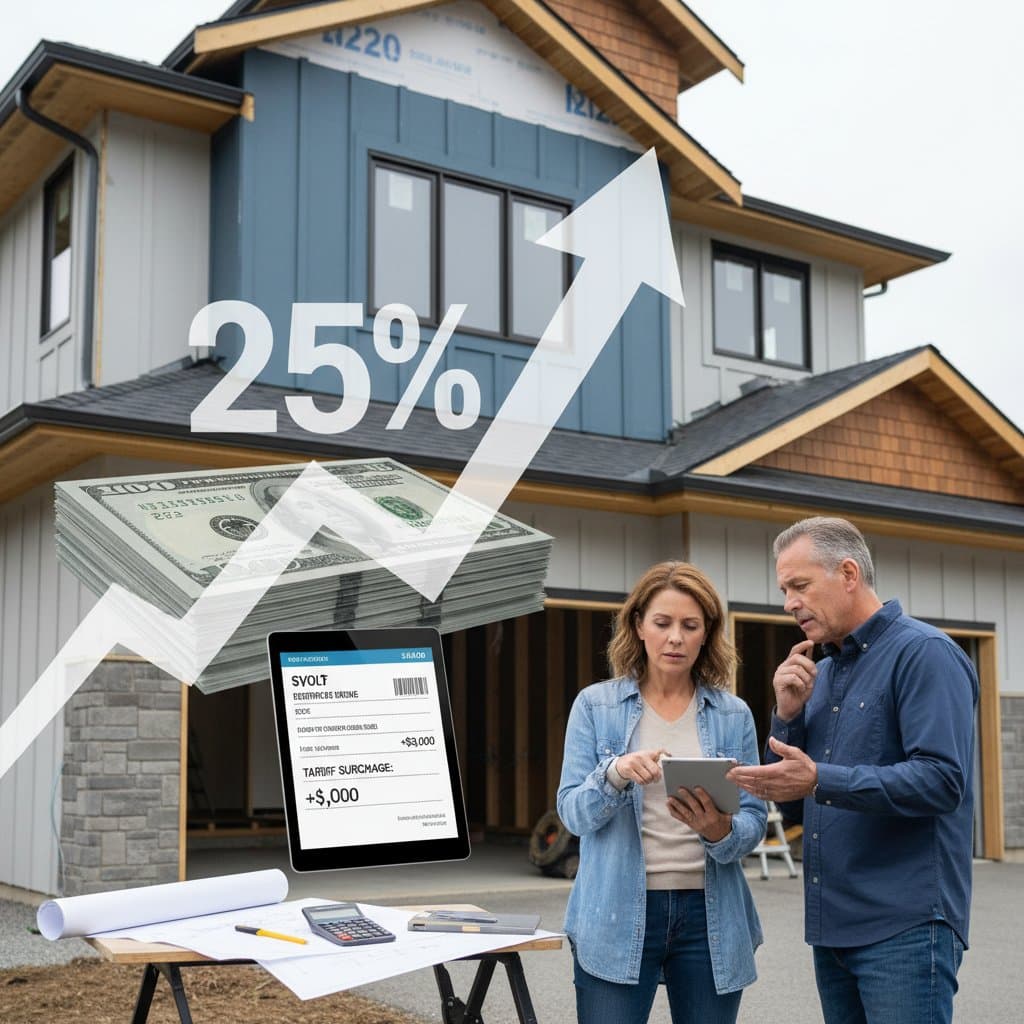
How 2026 Tariffs Could Add $3,000 to Your Siding Replacement Costs
Homeowners who plan exterior renovations must account for impending tariff increases on siding materials. These duties target imports of fiber cement, vinyl, and metal options, which drive up expenses for many projects. Such changes affect overall budgets, expected returns on investment, and future maintenance needs. Early awareness of these factors enables better decisions that preserve aesthetic appeal and property value.
At-a-Glance Project Overview
Project Scope: Complete or targeted siding replacement on residential exteriors
Estimated Timeline: One to three weeks, influenced by home dimensions and weather conditions
Complexity Level: Moderate to high, based on site access and building height
Cost Estimate: $9 to $18 per square foot for installation prior to tariffs; anticipate a 10 to 25 percent increase post-implementation, potentially adding $3,000 or more to a standard 2,000-square-foot home
Selecting Materials and Profiles
Tariffs impact siding categories differently, with domestic options possibly gaining a price edge over imports. Homeowners should weigh initial expenses against durability and performance over time. Consider how each material aligns with local climate demands and design goals.
| Material Type | Advantages | Disadvantages | Maintenance Requirements | Projected Lifespan |
|---|---|---|---|---|
| Vinyl | Most affordable, wide color options, no need for painting | Susceptible to cracking in freezing temperatures | Minimal | 20 to 30 years |
| Fiber Cement | Resistant to fire and decay, enhances property value | Heavier weight increases labor costs | Moderate | 30 to 50 years |
| Engineered Wood | Mimics natural appearance, easier to handle | Requires regular sealing applications | Moderate | 25 to 40 years |
| Metal (Steel or Aluminum) | Exceptional strength, impervious to pests | Prone to dents from impacts | Minimal | 40 to 60 years |
| Natural Wood | Classic visual charm | Demands frequent upkeep, weak against dampness | Extensive | 20 to 30 years |
Performance in Harsh Conditions
Fiber cement and metal sidings excel in fire-prone and wet environments, offering robust protection. Vinyl holds up well against water but may warp in extreme heat. Engineered wood addresses some issues of traditional lumber yet necessitates recoating every five to seven years to prevent deterioration.
Achieving Balanced Textures
Opt for one primary siding material accented by a secondary element in select areas, such as gables or door surrounds. Incorporate vertical boards or shake patterns sparingly to add interest without visual chaos. Ensure seamless joints through uniform trim and restrained color schemes.
Practical Recommendation: As tariffs elevate prices for upscale materials, integrate modest accents of premium types alongside cost-effective main coverage. This approach sustains visual sophistication while respecting financial limits.
Ensuring Superior Installation and Mitigating Risks
Rising material costs from tariffs might encourage shortcuts in labor, but such choices undermine the investment. Substandard work leads to premature failures and higher repair bills. Prioritize contractors who demonstrate expertise in weatherproofing and structural integrity.
Essential Building Envelope Practices
Incorporate housewrap or similar barriers behind siding for moisture control. Install metal flashing around windows, doors, and rooflines to direct water away. Apply flexible sealants at seams that accommodate expansion and contraction without failure.
Frequent Installation Errors
- Incorrect Fastening: Nails driven too deeply result in material splits or warping over time.
- Insufficient Ground Clearance: Siding positioned near soil level invites water wicking and rot.
- Unprotected Edges: Field cuts left exposed allow moisture infiltration, shortening service life.
Preparing the Site and Addressing Neighbors
Schedule waste hauling in advance to minimize disruption. With potential delays in tariff-affected deliveries, designate secure storage zones and shield nearby plants from damage. Inform adjacent residents about construction timelines, equipment noise, and temporary structures like dumpsters.
Practical Recommendation: Insist on a detailed written installation protocol from the contractor, covering vapor barriers, flashing specifications, and post-job restoration. This documentation supports warranty claims and bolsters home records for future sales.
Choosing Contractors and Evaluating Bids
Tariff-induced price volatility complicates bid assessments. An attractive low bid might overlook future surcharges or rely on depleting pre-tariff supplies. Demand transparency to align expectations with realities.
Comprehensive Bid Specifications
Every proposal must detail:
- Specific material grades, profiles, and dimensions
- Integrated moisture management and protective flashing
- Accessories including trim, nails, and edge treatments
- Handling of debris and site restoration
- Inclusion of required permits and code inspections
Systematic Bid Analysis
Calculate expenses on a per-square-foot basis, then identify tariff-impacted components. Inquire if supplier quotes lock in rates or allow adjustments. Reputable professionals provide breakdowns showing tariff effects on the final figure.
Structured Payment Terms
Link disbursements to verifiable progress:
- Initial Deposit: Funds initial permitting and material procurement.
- Progress Payment: Released following demolition of old siding and verification of substrate preparation.
- Balance Due: Paid upon project completion, thorough cleanup, and client approval inspection.
Practical Recommendation: Withhold significant upfront payments until written confirmation of delivery timelines and tariff-inclusive pricing arrives.
Maximizing Long-Term Value from Your Siding Investment
Although tariffs raise immediate outlays, selections focused on resilience and expert execution stabilize ongoing expenses. Quality siding withstands elemental stresses, retains vibrancy, and appeals to prospective purchasers. This combination of safeguards, style, and reduced upkeep positions exterior updates as strong contributors to property equity.
Strategies for Optimal Outcomes
- Secure materials ahead of tariff enforcement to access current pricing where available.
- Explore phased updates if comprehensive replacement strains finances; blend new sections with compatible existing panels to prolong viability until costs normalize.
- Retain receipts, specifications, and warranties for reference in code adherence and claims.
- Document the transformation with photographs to support insurance evaluations and marketing efforts.
Strategic foresight in costs and upkeep fortifies your home against economic shifts in building materials. Thoughtful execution delivers enduring protection and enhancement.