
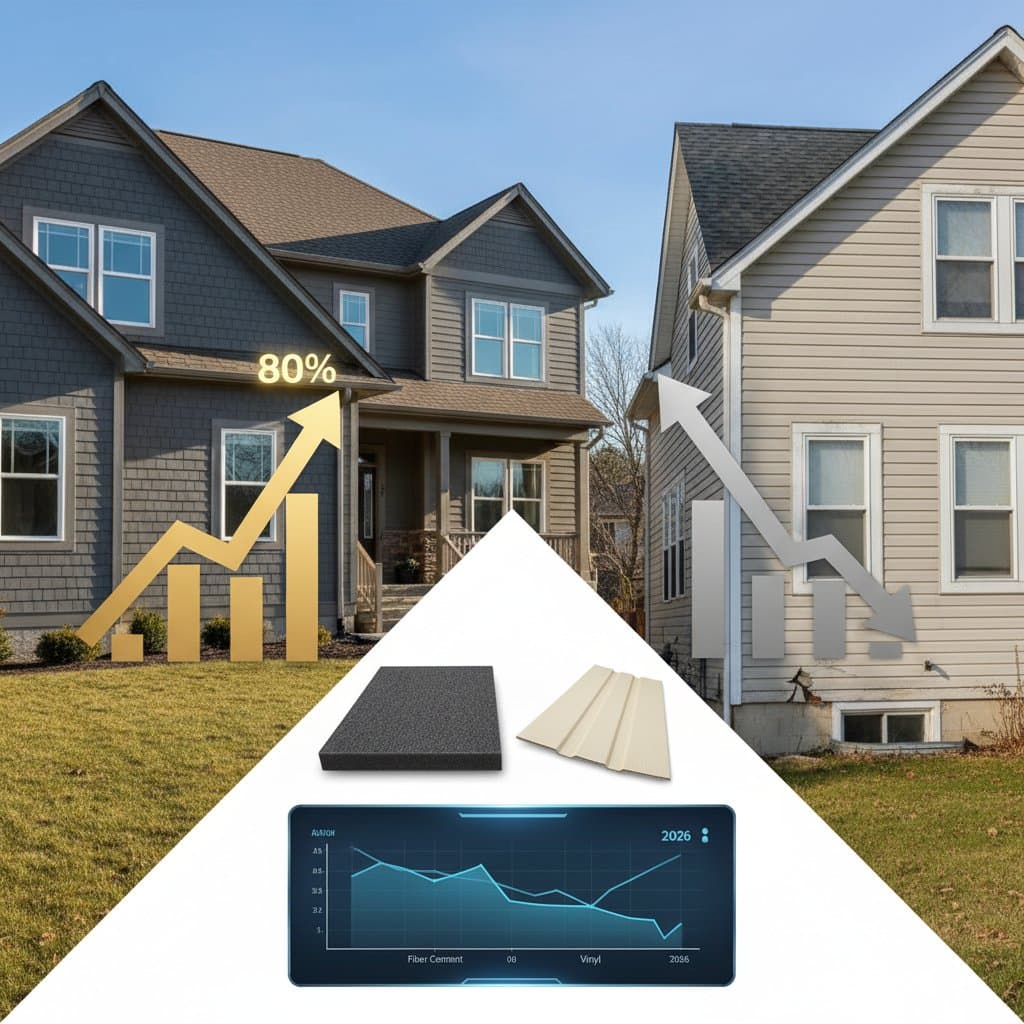
Fiber Cement vs. Vinyl Siding: Why 80% Resale Recovery Beats 70% in 2026
Homeowners face a pivotal decision when selecting siding materials: balance initial costs against long-term value. Fiber cement siding emerges as a superior choice for 2026 resale markets, recouping up to 80% of installation costs compared to vinyl's 70%. This edge stems from its durability, aesthetic versatility, and appeal to discerning buyers who prioritize quality and low maintenance.
Industry data highlights fiber cement's resilience in varying climates, from coastal humidity to arid heat. Vinyl, while affordable, often shows wear through fading and cracking, diminishing curb appeal over time. Selecting fiber cement positions a property for stronger market performance, especially as buyers seek sustainable, long-lasting features.
Enhancing Curb Appeal Through Design Choices
Curb appeal drives first impressions and influences offers during resale. Thoughtful design with fiber cement elevates a home's exterior, creating visual interest that vinyl struggles to match. Focus on alignment, color, and texture to showcase craftsmanship that buyers value.
Key Design Principles
- Maintain horizontal lines level across windows and doors to ensure a seamless, professional appearance.
- Apply deeper trim colors to frame openings, drawing attention to architectural details.
- Accentuate the entryway with vertical panels or smooth boards for added contrast and focal point.
- Select muted, neutral color bases such as soft grays or taupes that harmonize with natural surroundings and age gracefully.
Color selection influences perceived quality. Undertones in cool grays, warm taupes, or desaturated blues ensure even lighting in photographs, which buyers rely on during virtual tours. Opt for matte finishes over high-gloss to minimize visible imperfections and project a contemporary, understated elegance.
Practical Step: Consult with a designer to simulate color and texture pairings under different lighting conditions. Balanced contrast reveals superior workmanship, boosting perceived value from the street.
Maintenance Strategies for Peak Performance
Regular upkeep preserves fiber cement's integrity, extending its lifespan beyond 50 years in many cases. Unlike vinyl, which demands frequent cleaning to combat mildew and dirt accumulation, fiber cement requires minimal intervention. Proactive care safeguards warranties and enhances resale documentation.
Essential Maintenance Routine
- Annual Tasks: Rinse the siding with a garden hose using mild soap, inspect caulked joints for cracks, and clear gutters to prevent water damage.
- Five-Year Intervals: Examine the paint surface for signs of chalking or flaking, addressing issues promptly to avoid escalation.
- Every 15 to 20 Years: Apply a fresh coat of exterior-grade acrylic paint, tailored to local weather exposure.
- Post-Storm Checks: Scan for chips or impact damage, particularly at corners and edges, and repair immediately.
Professional installation records and photo logs support warranty claims from manufacturers. Document all maintenance activities to demonstrate diligence to potential buyers.
Practical Step: Establish calendar reminders for inspections and cleaning. Consistent preventive measures prolong the material's finish and reinforce its contribution to home equity.
Longevity and Resale Value Advantages
Fiber cement withstands environmental stresses better than vinyl, resisting fire, pests, and moisture without warping. Its composition of cement, sand, and cellulose fibers provides a solid barrier that maintains structural integrity. Buyers appreciate this reliability, often paying premiums for homes with such features.
In contrast, vinyl siding, though lighter and easier to install, fades under UV exposure and cracks in extreme temperatures. Replacement costs rise as patchwork repairs fail to restore uniformity. Fiber cement's repaintable surface allows refreshes that keep the exterior vibrant, supporting higher recovery rates in appraisals.
Market trends for 2026 predict increased demand for eco-friendly, durable materials. Fiber cement aligns with these preferences through its recyclability and energy-efficient insulation properties. Homes with this siding command offers that reflect its 80% recoup potential, outpacing vinyl's limitations.
Realizing Returns on Your Investment
Investing in fiber cement siding yields dividends through reduced long-term expenses and elevated market positioning. Homeowners who commit to this upgrade enjoy a sophisticated exterior that complements landscaping and architecture. Over time, the material's performance translates to tangible financial benefits during resale.
For those on constrained budgets, vinyl offers accessibility, yet its shorter lifespan caps appreciation. Fiber cement suits forward-thinking owners planning extended occupancy, where maintenance savings accumulate. Ultimately, this choice fortifies a property's appeal, ensuring competitive edges in evolving real estate landscapes.