
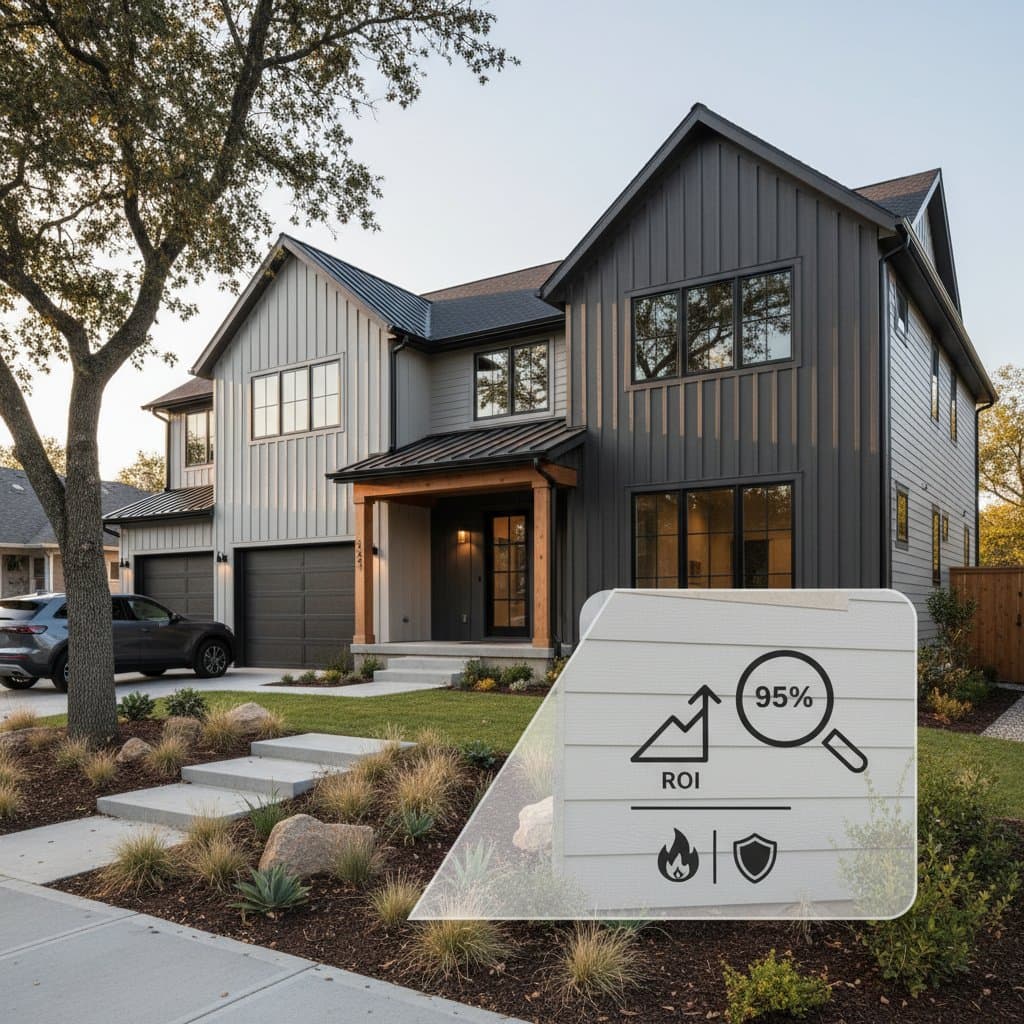
Fiber Cement Siding Achieves 95% ROI Amid Shift from Vinyl
Homeowners evaluating siding options seek materials that safeguard the home, maintain appeal over time, and maximize resale returns. Fiber cement siding emerges as the top choice in this category. Recent market analysis indicates it yields approximately 95 percent return on investment, positioning it among the highest-value exterior upgrades. Vinyl siding, previously popular for its affordability, faces waning demand as buyers increasingly value premium textures and robust performance.
This guide delves into the reasons fiber cement preserves value, provides methods for precise cost calculation, and describes installation and maintenance processes. Each segment delivers targeted information to determine if full replacement or targeted repairs best suit your home.
Selecting Materials and Profiles
Fiber cement siding consists of cement, sand, and cellulose fibers, shaped into planks, panels, or shingles. The material's density supports intricate embossed patterns that replicate wood grain while eliminating vulnerability to decay.
Comparison of Siding Materials
| Option | Durability | Moisture Resistance | Fire Rating | Maintenance | Typical Use |
|---|---|---|---|---|---|
| Fiber Cement | Excellent | High | Non-combustible | Low | Full exterior coverage |
| Vinyl | Moderate | High | Melts near heat | Very low | Budget renovations |
| Engineered Wood | Good | Medium | Combustible | Moderate | Feature accents |
| Natural Wood | Variable | Low to medium | Combustible | High | Period restorations |
Fiber cement withstands fire, insects, and rot effectively. It endures cycles of wetting and drying without expansion, provided exposed edges receive proper sealing. Applied paint adheres for 12 to 15 years, roughly double the duration of vinyl's surface finish.
To prevent aesthetic overload, restrict combinations of textures. Pair a smooth lap siding with a single accent element on gables or entry areas for subtle definition. Reserve vertical board-and-batten styles for facades where structural elements align naturally.
Key Recommendation: Choose a primary fiber cement profile and confine accents to one designated area. Such restraint ensures harmonious visuals and streamlines the installation process.
Ensuring Proper Installation and Mitigating Risks
The robustness of fiber cement demands accurate cutting and securing techniques. Substandard work invites moisture penetration behind the siding, premature paint degradation, or material fractures.
Checklist for Building Envelope Protection
- Apply a seamless weather-resistant barrier directly over the sheathing.
- Install flashing around all openings, such as windows, doors, and electrical fixtures.
- Preserve a narrow clearance between siding lower edges and flat surfaces.
- Caulk every joint using materials compatible with fiber cement.
- Prime and paint any on-site cuts immediately after fabrication.
Frequent issues arise from unsecured end joints, absent diverter flashing at roof junctions, or overdriven fasteners. These errors compromise warranties and long-term integrity.
Prepare for debris management if prior siding includes lead-based paint. Inform adjacent residents about scheduled work times and potential airborne particles. Maintain access to driveways for material arrivals to prevent scheduling disruptions.
Key Recommendation: Optimal returns from fiber cement siding hinge on sealed installations and vigilant moisture control. Organized sites and precise flashing minimize rework and uphold property worth.
Choosing Contractors and Evaluating Bids
Engage installers experienced with fiber cement's heft and fabrication requirements. Variations in crew expertise influence both expenses and final outcomes.
Elements to Include in Bid Specifications
- Demolition and safe disposal of current siding
- Application of weather barriers and flashing systems
- Integration of trim, corner treatments, and soffit components
- Options for on-site painting versus pre-finished products
- Coverage of permits and site restoration duties
Solicit a minimum of three detailed proposals based on uniform project descriptions. Scrutinize itemized breakdowns for material volumes, coating applications, and protection measures. Opt for comprehensive proposals over the cheapest bid that skips essential steps like joint sealing or additional paint layers.
Suggested Payment Milestones
- Limit initial deposit to 10 percent or the amount needed for material procurement.
- Release interim payments upon inspection of key phases, including siding removal, barrier completion, and partial siding attachment.
- Withhold the balance until a final inspection verifies quality and site cleanliness.
Verify each bidder's certification in manufacturer guidelines and liability coverage. The panels' weight necessitates correct handling to avoid breakage and ensure crew safety.
Key Recommendation: Detailed contracts and phased disbursements maintain financial control. Skilled teams preserve your investment and sustain the siding's enduring look.
Maximizing Long-Term Benefits
Fiber cement siding provides tangible advantages in resilience and market desirability. Its 95 percent return on investment underscores widespread trust in its performance. The move away from vinyl stems from its basic quality and restricted stylistic range. For those intending to remain in the home for 10 years or longer, fiber cement offers low-effort care, superior fire safety, and reliable equity growth as a sound choice.
Practical Strategies for Ongoing Care
- Stack spare panels horizontally under protective covering for ready access in repairs.
- Label spare paint with exact formulation codes.
- Document the installation with before-and-after images for records and claims.
- Address caulk deterioration promptly to block concealed water entry.