
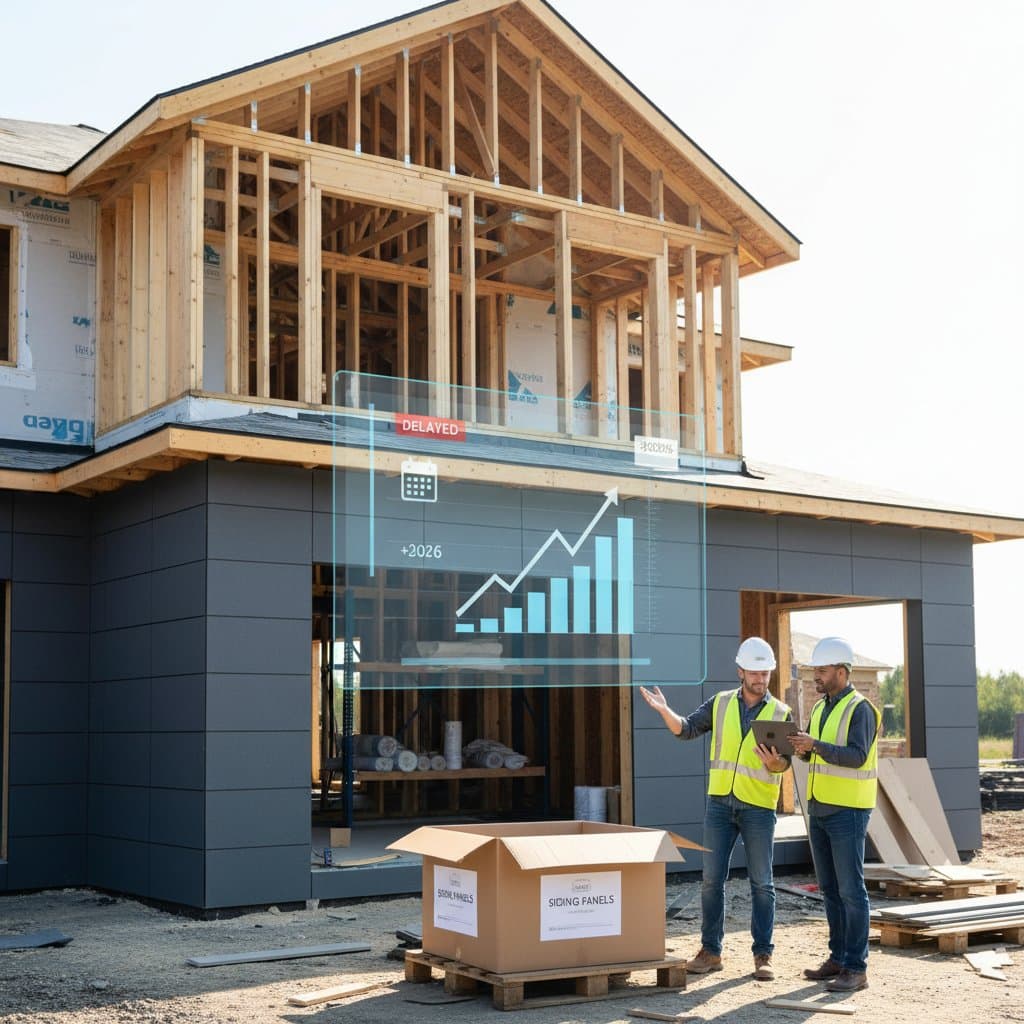
Understanding the 2026 Siding Shortage and Price Surge
Homeowners preparing for exterior renovations confront escalating expenses and prolonged timelines. Data from major distributors and local suppliers indicate dwindling stocks of essential materials such as vinyl, fiber cement, and engineered wood. Builders in various regions already document increases of 20 to 30 percent over historical benchmarks. This situation stems from constrained raw material supplies, transportation bottlenecks, and manufacturing delays rather than a fleeting disruption. Proactive measures, including thorough preparation, prompt procurement, and detailed agreements, position individuals to navigate these challenges effectively.
Several factors contribute to this tightening market. Demand for residential construction remains robust, yet production capacities lag due to labor shortages in key industries. Environmental regulations also limit sourcing of certain composites, while global supply chain issues exacerbate delays in importing components. For instance, vinyl production relies on petroleum derivatives, which face volatility from energy market fluctuations. Homeowners who act early can mitigate impacts by exploring alternative suppliers or locking in current rates through forward contracts.
Selecting Styles and Materials for Optimal Results
Choosing the right siding style and material requires consideration of aesthetic preferences, climate conditions, and budget constraints. Profiles define the visual character of a home, while materials determine longevity and maintenance needs. Understanding these elements ensures selections align with both functional and design goals.
Key Siding Profiles and Their Applications
Siding profiles vary in installation orientation and visual appeal, influencing how structures appear from different angles.
- Lap siding: Features horizontal planks that overlap for a classic, layered effect, ideal for traditional architecture in moderate climates.
- Board and batten: Involves vertical boards separated by narrow battens that conceal joints, suiting rustic farmhouses or sleek modern facades.
- Shingle panels: Mimic individual shingles with offset edges, evoking timeless cottage or seaside vibes while offering efficient coverage.
- Panel systems: Consist of large, seamless sheets with integrated reveals, perfect for minimalist contemporary designs requiring clean lines.
Water management differs across profiles. Lap configurations excel at directing rainwater away on exposed, wind-prone elevations. Shingle styles demand precise flashing around overlaps to prevent infiltration. Selecting a profile involves evaluating the home's exposure to weather; for example, vertical options like board and batten perform well in rainy areas by channeling moisture downward.
Material Breakdown: Advantages and Limitations
Each material presents unique benefits and challenges, particularly under current supply pressures. The table below summarizes core attributes to guide decisions.
| Material | Pros | Cons |
|---|---|---|
| Vinyl | Affordable initial investment, simple upkeep, extensive color variety | Susceptible to deformation in extreme heat, moderate fire rating |
| Fiber Cement | Exceptional durability, superior fire protection, accepts paint well | Substantial weight requires reinforced framing, installation demands protective equipment for dust |
| Engineered Wood | Authentic wood appearance, reduced heft compared to solid timber | Prone to water damage without proper sealing, requires periodic treatments |
| Metal | Robust construction, environmentally friendly through recycling, inherent fire resistance | Vulnerable to impacts causing dents, premium pricing |
| Composite | Consistent performance across temperatures, predictable finish | Narrower palette of hues, elevated upfront costs |
In periods of scarcity, fiber cement and engineered wood often emerge as viable substitutes for vinyl due to steadier availability from domestic producers. Prior to finalizing choices, confirm compatibility in color and texture across brands to prevent mismatched appearances. Review warranty terms meticulously, as coverage varies by exposure conditions and installation quality. For homes in humid regions, prioritize materials with inherent moisture resistance to extend service life.
Guidelines for Combining Materials and Trims
Maintaining harmony in material use enhances curb appeal and structural integrity. Restrict primary materials to two per facade to avoid visual clutter. Employ trim elements in complementary shades to accentuate corners, edges, and transitions. Options like aluminum coils or PVC profiles provide durable seals at material junctions, reducing vulnerability to elements.
Steer clear of blending horizontal and vertical orientations on a single wall unless intentional for architectural emphasis, as this can disrupt flow. Professional installers recommend testing combinations through small-scale mockups to assess proportionality under site-specific lighting.
Tailored Recommendations by Home Style
Adapting selections to architectural style ensures cohesive enhancements.
- Ranch-style homes: Opt for horizontal lap siding paired with understated trim to emphasize low profiles and horizontal lines.
- Two-story colonials: Integrate fiber cement lap with shingle accents on gables for balanced formality and texture variation.
- Contemporary structures: Choose metal or composite panels with sharp reveals and minimal trim for a streamlined, modern aesthetic.
- Coastal cottages: Select vinyl shingle panels to deliver charm and resilience against salt air with minimal ongoing care.
These examples illustrate how profiles and materials can elevate specific designs while addressing practical concerns like regional weather patterns.
Preparing for a Successful Siding Project
Systematic preparation transforms potential obstacles into manageable phases. This approach minimizes surprises and aligns outcomes with expectations.
1. Establish Objectives and Project Boundaries
Begin by clarifying priorities, whether focused on improving insulation, refreshing aesthetics, or addressing structural issues. Document specifics, including targeted walls, trim elements, and any insulation upgrades. This outline facilitates accurate comparisons among vendor proposals and prevents scope creep.
2. Evaluate Contractors and Solicit Detailed Quotes
Identify a minimum of three licensed professionals with verifiable insurance and portfolios of comparable work. Request itemized bids specifying material specifications, such as gauge thickness for metal or plank width for lap siding, along with finish applications. Scrutinize inclusions for waste factors and cleanup provisions to ensure comprehensive coverage.
3. Review Samples and Secure Approvals
Insist on full-scale samples over diminutive swatches to gauge true scale and texture. Construct a mockup panel installed on-site to evaluate color fidelity in natural light across times of day. Document approvals in writing prior to committing funds, thereby avoiding costly returns or modifications.
4. Prepare the Site and Coordinate Logistics
Allocate clearance space of at least six feet around perimeter walls to accommodate equipment and waste removal. Relocate vehicles, arrange for waste container delivery, and inform adjacent residents about anticipated disruptions. Align schedules with crew availability, typically limited to standard daylight shifts, while accommodating household routines for pets and deliveries.
5. Implement Quality Assurance at Key Stages
Monitor progress through predefined checkpoints to uphold standards. Upon completion of surface preparation, inspect for even adhesion and absence of defects. During installation, verify alignment of profiles and secure fastening patterns. Final walkthroughs should confirm seamless joints, proper caulking, and adherence to specified finishes. Address any discrepancies immediately with the contractor to maintain project momentum.
Sustaining Your Siding Investment Over Time
Long-term care preserves the performance and appearance of new cladding. Schedule annual inspections to detect early signs of wear, such as fading paint or loose fasteners. Clean surfaces gently with mild solutions to remove debris without abrasive damage. In shortage-prone markets, consider bulk purchasing spare parts during initial installation for future repairs. These practices extend durability, potentially deferring full replacements for decades and maximizing return on investment.