
2025 Siding Warranties: Which Materials Truly Last?
Homeowners often evaluate siding options based on appearance and initial expense. Warranties provide deeper insight into expected performance and longevity. These guarantees outline coverage for defects, fading, and structural issues, helping buyers assess real value.
A strong warranty signals manufacturer confidence in the product. Terms vary by material, with some offering limited lifetime protection and others capping at 25 or 50 years. Review exclusions carefully, as many do not cover labor or damage from improper installation.
Understanding Siding Warranties
Siding warranties function as legal assurances of quality. They typically address material defects, color retention, and resistance to cracking or warping. Coverage periods range from 10 years for basic vinyl to lifetime prorated options for premium fiber cement.
Key elements include transferability, which preserves value during home sales, and proration, where repair costs increase as the warranty ages. Documentation proves essential; retain receipts, installation certificates, and photos of the setup. Claims require evidence that the product received proper care.
Non-transferable warranties lose value upon resale, while those allowing one or two transfers enhance marketability. Prorated structures mean full replacement occurs only in early years, with partial reimbursements later. Always verify if the warranty applies to substrates like house wrap or fasteners.
Comparing Materials by Lifespan and Warranty
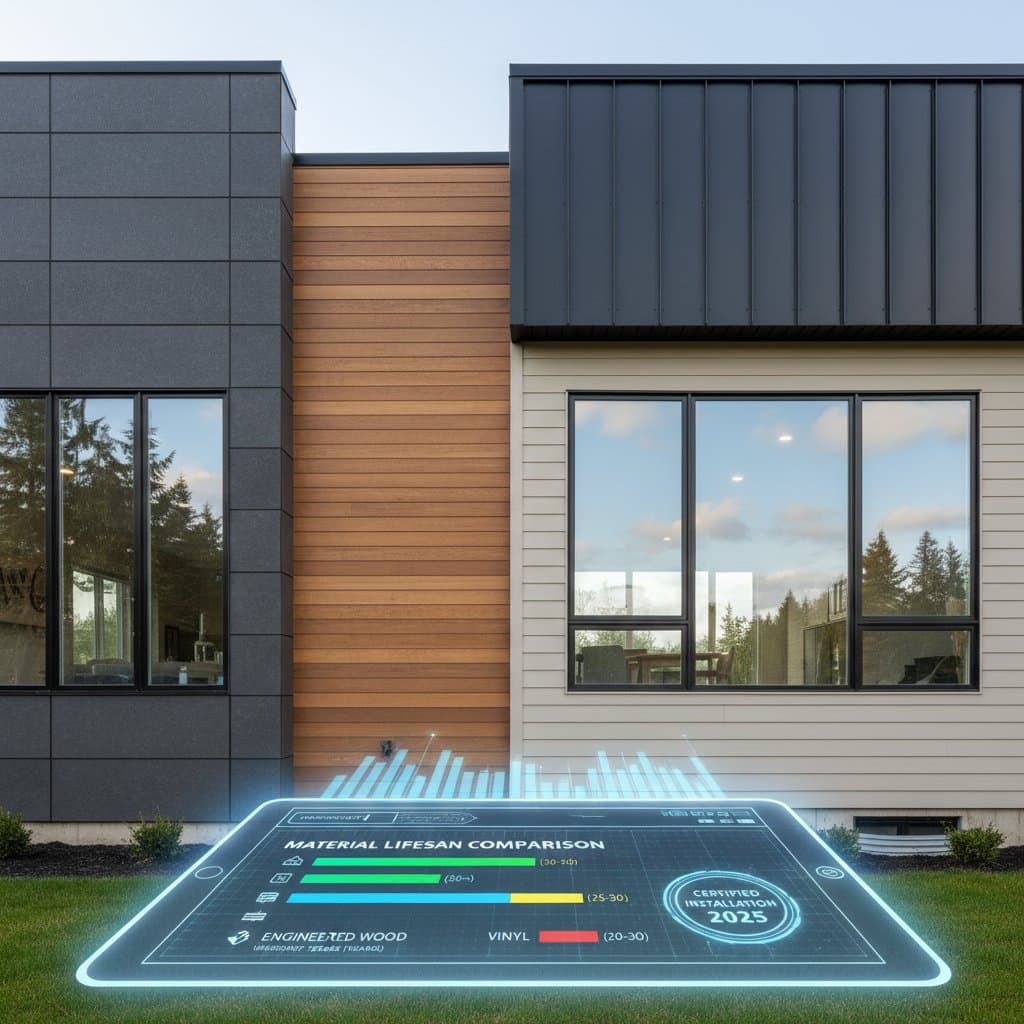
Vinyl siding offers affordability and a 30- to 50-year lifespan under ideal conditions. Warranties often guarantee fade resistance for 20 years and structural integrity for life, though wind damage may fall outside coverage. This material suits moderate climates but requires secure fastening in high-wind areas.
Fiber cement provides superior durability, lasting 50 years or more with minimal upkeep. Manufacturers like James Hardie extend 30-year warranties on paint finish and 50-year limited lifetime on the board itself. It resists moisture and insects effectively, making it ideal for coastal or humid environments.
Engineered wood, such as LP SmartSide, combines wood aesthetics with treated protection against rot and termites. Expect 30- to 50-year lifespans, backed by 50-year warranties that include substrate coverage. Proper sealing prevents water intrusion, extending performance in variable weather.
Metal siding, including aluminum and steel, endures 40 to 70 years with rust-proof coatings. Warranties frequently span 40 years for finish and lifetime for the panel, emphasizing impact and fire resistance. This choice excels in extreme conditions, from hail-prone regions to wildfire zones.
Each material's warranty reflects its strengths. Vinyl prioritizes low maintenance, fiber cement emphasizes longevity, engineered wood balances style and resilience, and metal focuses on toughness. Select based on local climate and home style to maximize return on investment.
Cost and Planning Essentials
Budgeting for siding involves more than material selection. Installed costs range from $7 per square foot for basic vinyl to $16 for fiber cement with accessories. Factor in labor, which constitutes 50 to 60 percent of the total, and site-specific challenges.
Removal of existing siding adds $1 to $3 per square foot, including disposal fees. Multi-story homes increase expenses due to scaffolding needs, potentially adding 20 percent. Custom details like soffits or intricate trim elevate prices by 10 to 15 percent.
Planning timelines span two to four weeks from contract to finish. Secure bids from three contractors, specifying materials and scope. Account for material lead times, which can extend one to two weeks for custom orders.
Permits cost $100 to $500 and ensure compliance with building codes. Inspectors verify weather barriers, flashing, and secure attachments. Opt for certified installers to activate full warranty benefits.
When deciding between repair and replacement, assess damage extent. Patching suits isolated issues, but widespread problems justify full renewal. New installations often include enhanced warranties unavailable for legacy products.
Durability in Various Climates
Siding must withstand local weather patterns to fulfill warranty promises. Humid areas demand breathable, mold-resistant options like fiber cement. Arid or fire-risk zones benefit from non-combustible metal or cement-based materials.
Wind resistance ratings start at 110 mph for standard products; premium lines reach 160 mph. Engineered wood requires precise gapping to allow expansion and prevent buckling. Fire-rated sidings achieve Class A status, reducing insurance premiums in susceptible areas.
Impact from hail or debris favors steel over vinyl, which may dent or fracture. Install continuous house wrap to block moisture, and apply self-adhering flashing around windows and doors. Maintain a six-inch clearance from soil to deter rot.
Annual inspections reveal early issues. Clean with gentle solutions to avoid warranty voids from abrasive methods. After storms, secure loose sections promptly to prevent further damage.
Installation and Maintenance for Warranty Compliance
Proper installation activates warranty protections. Use manufacturer-recommended fasteners and sealants to avoid claims denials. Certified professionals follow guidelines, ensuring even spacing and secure locks.
Maintenance sustains performance. Schedule yearly washes with low-pressure rinsing. Reapply finishes on fiber cement every five years, following color guidelines to prevent heat-related failures.
Document all activities with dated photos and invoices. Trim overhanging plants to reduce moisture trapping. Clear gutters regularly to direct water away from walls.
Avoid common pitfalls like high-pressure washing above 1,500 psi or unapproved modifications. Dark paints on vinyl can cause warping in sunny climates, triggering exclusions.
Maximizing Your Siding Investment
Long-term care transforms a warranty into lasting value. Regular upkeep preserves appearance and structural integrity, potentially adding decades to the material's life. Homeowners who follow protocols report fewer claims and higher satisfaction.
Transfer warranties during sales by submitting forms within 30 to 60 days. This feature boosts property appeal, with studies showing 5 to 10 percent resale value increases for well-maintained exteriors.
Invest in quality from the start. Pair durable materials with expert installation and diligent maintenance to safeguard your home. This approach yields peace of mind and enduring curb appeal.
Quick FAQ
What voids a siding warranty?
Improper installation, neglect, or unapproved alterations, such as drilling extra holes.
How long do warranties last?
From 20 years for basic coverage to lifetime prorated for premium products.
Is labor included in claims?
Rarely; most cover materials only, requiring separate contractor fees.
Can I paint my siding?
Yes, but use manufacturer-approved products and colors to maintain validity.
What if damage occurs after transfer?
Original terms apply if properly documented during the sale.