
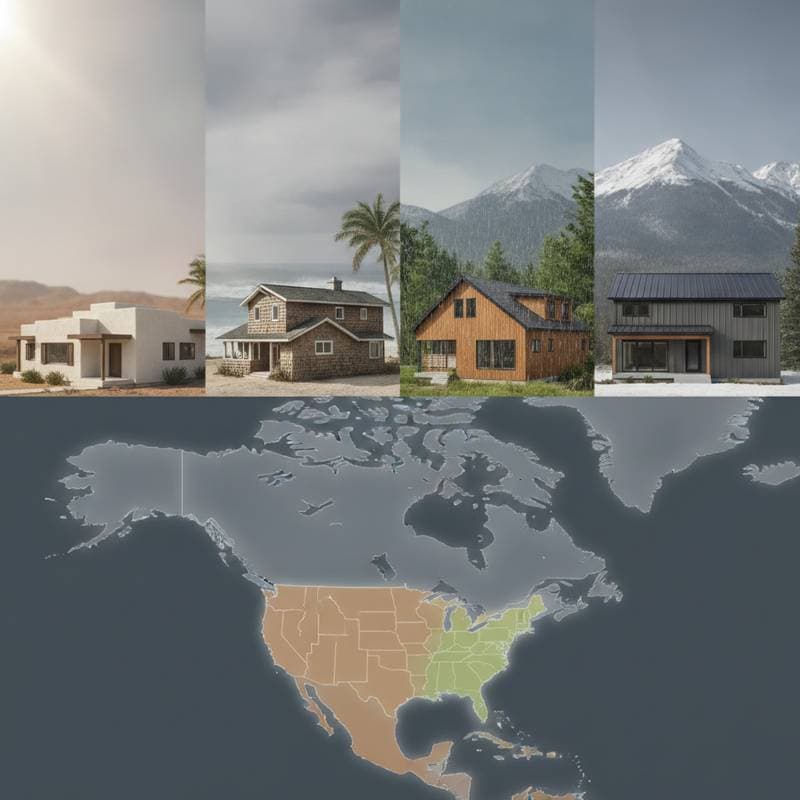
Best Siding Matches for Every Climate Zone in 2026
Homeowners often underestimate how local weather conditions influence siding performance. The right material balances appearance, durability, and total cost of ownership. This guide explains how to match siding types to climate zones, what affects project cost, and how to protect the investment over time.
Cost, ROI, and Impact Factors
Siding replacement ranks among the most visible exterior upgrades. Return on investment averages between 60 and 80 percent of project cost depending on region, material selection, and installation quality.
Typical project scales include the following ranges. A small project covers 1,000 square feet at a cost of 10,000 to 14,000 dollars. A mid size project spans 1,500 to 2,000 square feet at 14,000 to 28,000 dollars. A large project exceeds 2,500 square feet at 25,000 to 40,000 dollars.
Key cost drivers include old siding removal and disposal fees, story height and access to upper walls, trim complexity, moisture barrier upgrades, and regional labor rates.
New siding directly affects curb appeal and perceived home quality. Materials that require less upkeep raise long term ownership value even when initial costs run higher. Budget for both immediate appearance and lifecycle cost. Spending slightly more on materials that resist moisture, ultraviolet exposure, and pests often returns more value at resale.
Design for Curb Appeal
The right siding composition can make a home appear newer and more balanced. Keep horizontal lines level and maintain scale between window trim and corner boards. Taller homes benefit from narrower lap reveals that reduce visual weight.
Cool grays and neutral taupes perform well in cloudy regions. Warm earthy tones suit sunny climates. Always test samples in both full sun and shade before ordering. Use slightly deeper tones or vertical accents to draw attention to the main entry. Trim color should match window frames or stand one shade lighter to define edges clearly.
Curb appeal depends on proportion and contrast. Balanced details photograph well and improve first impressions during resale.
Maintenance and Longevity
Even low maintenance siding needs scheduled care to retain value. Rinse vinyl and metal surfaces with mild detergent twice a year. Use a soft brush and garden hose for fiber cement. Never apply a high pressure washer. Repaint fiber cement or engineered wood every 10 to 15 years depending on exposure.
Check joints, caulk lines, and fastener heads each spring and fall. Address small cracks or peeling paint before water infiltration begins. Add gutter extensions to reduce splashback. Keep ground clearance at least six inches below siding to avoid rot. Most manufacturers require proof of maintenance for warranty claims. Keep dated photos and receipts for all cleaning and repainting tasks.
Consistent minor upkeep prevents major repair costs. A well maintained exterior signals overall home care to future buyers.
Living With Your Choice
Climate appropriate siding extends comfort, reduces energy costs, and strengthens resale value. Homeowners in humid zones typically gain the most from fiber cement or treated engineered wood. Those in dry or fire prone regions succeed with metal or stucco. Vinyl remains an affordable pick for temperate climates with limited storm exposure.
When evaluating total cost, include repainting cycles, cleaning frequency, and potential insurance savings for fire rated cladding. Fiber cement adds upfront cost but can lower premiums. Keep transitions simple and color schemes unified. Focus on details that photograph cleanly from the street, including straight lines, consistent trim widths, and balanced lighting.
Pro Tips for Success
- Always verify that siding materials meet local building codes for wind and impact resistance.
- Request a written maintenance guide from the installer before final payment.
- Evaluate attic and wall ventilation before sealing the exterior, as trapped moisture shortens siding life.
- Keep vegetation trimmed at least one foot from walls to prevent mold and pest contact.
Troubleshooting Common Issues
Warping or buckling usually results from tight nailing or heat exposure. Reinstall with expansion space. Color fading calls for factory finished panels with ultraviolet resistant coatings. Moisture stains require verification of flashing and gutter performance before repainting. Loose panels need checks of fasteners and sheathing integrity. Avoid patching over damaged substrate.
Maximizing Long Term Value
Proper material selection and routine care deliver lasting protection along with stronger resale performance. Homeowners who align siding choices with local conditions and follow consistent maintenance routines enjoy lower ownership costs and improved market appeal.