
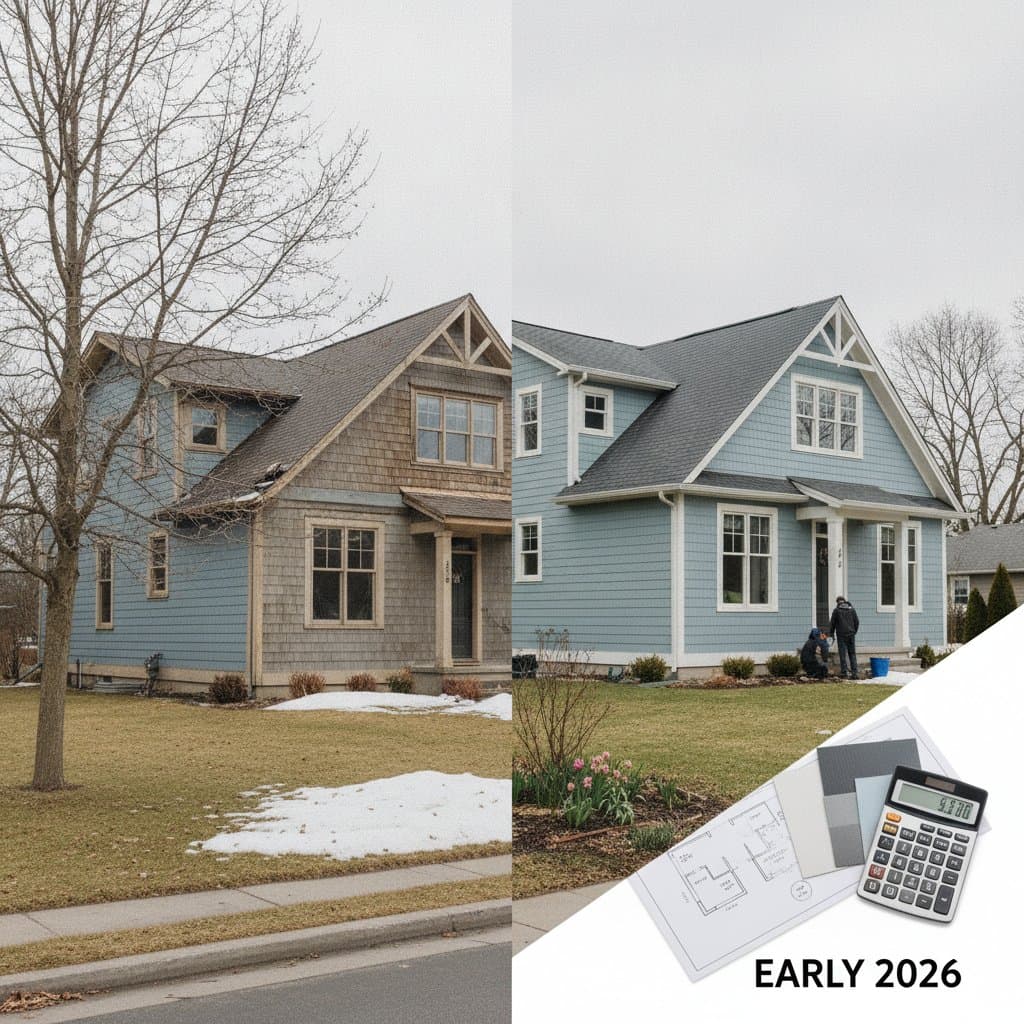
Best Months to Replace Siding and Save Over $8000 in 2026
Replacing siding represents a major investment that ranges from $18000 to $45000 for most homes. Strategic scheduling allows homeowners to reduce expenses by more than $8000 through lower contractor demand and favorable material pricing. Late winter and mid fall periods consistently deliver these savings when planned correctly.
Seasonal Demand and Pricing Patterns
Contractor workloads fluctuate throughout the year based on weather and homeowner preferences. Peak summer months drive up labor rates because crews stay booked weeks in advance. Off peak windows reduce competition for crews and allow more room for price negotiation on fixed bids.
Material suppliers also adjust inventory levels seasonally. Excess stock in slower months often leads to discounts on popular options such as vinyl and fiber cement. These price drops combine with reduced installation fees to produce the largest overall savings.
Optimal Scheduling Windows for 2026
February and March offer strong opportunities because many contractors seek to fill schedules after winter slowdowns. Projects started in these months avoid summer heat delays and secure lower rates before spring demand rises. October and November provide a second window as crews prepare for colder weather and seek to complete work before holiday slowdowns.
Homeowners should request bids at least six weeks ahead of these target months. Early outreach secures crew availability and locks in material pricing before seasonal increases take effect. Weather contingencies remain essential even in milder periods.
Material Selection and Long Term Value
Vinyl siding delivers quick installation and strong resistance to moisture at a moderate price point. Fiber cement offers superior durability and fire resistance while requiring less frequent maintenance over decades. Both materials perform well when installed during stable temperature ranges typical of late winter or mid fall.
Color and texture choices influence final costs. Standard profiles usually carry lower prices than custom finishes. Bulk ordering through the contractor during off peak periods further reduces per unit expenses.
Contract and Payment Strategies
Fixed price contracts protect against unexpected material cost increases during the project. Homeowners should confirm that bids include removal of old siding, disposal fees, and basic trim work. Payment schedules tied to completion milestones help maintain quality control throughout the process.
Multiple bids from licensed local contractors reveal the current market range. References from recent projects completed in similar weather conditions provide additional assurance of reliable performance.
Project Preparation Steps
Clear access around the home allows crews to work efficiently and reduces daily setup time. Homeowners should trim nearby landscaping and relocate outdoor furniture several days before work begins. Utility companies can mark underground lines upon request to prevent service interruptions.
Final inspections verify proper sealing around windows and doors. These details prevent future moisture issues and protect the new siding investment for years ahead.
Execution and Follow Up
Daily progress checks during installation catch minor issues before they compound. Homeowners should document the work with photos at each stage for warranty records. Post installation walkthroughs confirm all trim pieces align correctly and that cleanup meets agreed standards.