
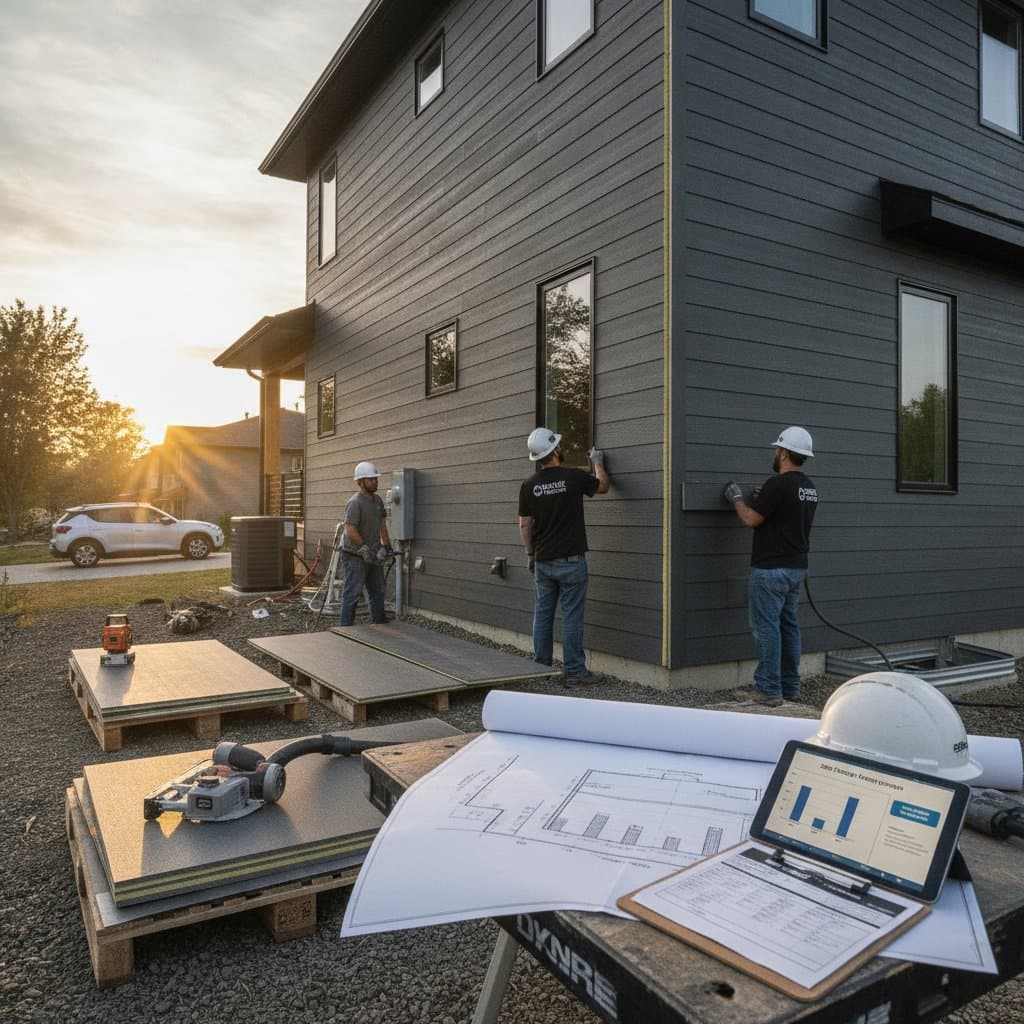
Claim Up to $3,200 in 2026 Energy Efficient Siding Tax Credits
Replacing outdated siding with an energy efficient system can return thousands of dollars through federal tax credits. These incentives support upgrades that reduce heating and cooling losses and strengthen weather resistance. Homeowners who plan exterior work can lower initial expenses and increase resale value by selecting qualifying products.
Project Costs and Financial Returns
Energy efficient siding work typically falls into three cost ranges. Small projects under 1,000 square feet often total between $10,000 and $14,000. Mid size homes with two stories or detailed trim usually range from $16,000 to $22,000. Large or complex properties can exceed $30,000 when insulation, window trim, and gables are added.
Key cost factors include removal of existing material, wall repairs, trim extent, building height, and site access. Limited staging space on compact lots can increase labor time.
Industry data indicate that insulated siding recovers 65 to 80 percent of its cost at resale, depending on local market conditions and energy prices. When combined with up to $3,200 in credits, the net return can surpass 90 percent. Buyers value reduced utility expenses and updated exteriors that present well in photographs.
Gather itemized bids that separate material, removal, and insulation line items. This breakdown confirms which portions qualify for credits and which count as general renovation.
Exterior Design Choices That Improve Curb Appeal
Curb appeal influences perceived value as much as energy performance. Balanced proportions, clean corners, and clear entry features signal quality construction.
- Pair mid tone siding with light trim or the reverse to create visible edges from the street.
- Maintain continuous horizontal lines at window heads and door openings.
- Choose slightly desaturated colors that conceal dust and weathering in listing photos.
- Widen trim around the entry and add symmetric lighting to direct attention to the door.
Simple additions such as updated house numbers, soffit lighting, and square edge trim can raise resale impressions by several thousand dollars.
Review a color mockup on site in both daylight and shadow before ordering materials. Colors that appear sharp in shade may wash out under direct sun.
Routine Maintenance to Protect Performance
Energy efficient siding lasts longer with regular care. Follow this schedule to preserve efficiency and appearance.
- Rinse panels every six months with low pressure water and mild soap. Avoid high pressure sprayers that can drive moisture behind the material.
- Inspect joints, flashing, and caulk once a year. Replace any cracked or missing sealant at once.
- Repaint fiber cement or wood surfaces every five years using manufacturer approved products.
- After storms, check for chips or impact damage that could expose underlying layers.
Store warranty documents in an accessible location. Many warranties require documented proof of routine cleaning and inspections.
Mark a recurring calendar date for these checks. Consistent upkeep sustains both energy savings and long term resale strength.
Selecting a Contractor and Securing Documentation
Tax credit eligibility depends on proper records. The federal incentive requires certification letters or product identification numbers that verify compliance with efficiency standards. Request these documents with every bid and retain copies with project invoices.
Compare at least three contractors who have completed similar energy efficient installations. Verify that each bid lists qualifying materials separately and includes the required certification paperwork.
Long Term Value of the Upgrade
A completed project delivers lower monthly energy costs, stronger weather protection, and an exterior that supports higher resale prices. Homeowners who maintain documentation and follow the maintenance schedule realize the full benefit of both the tax credit and the improved performance of the home.