
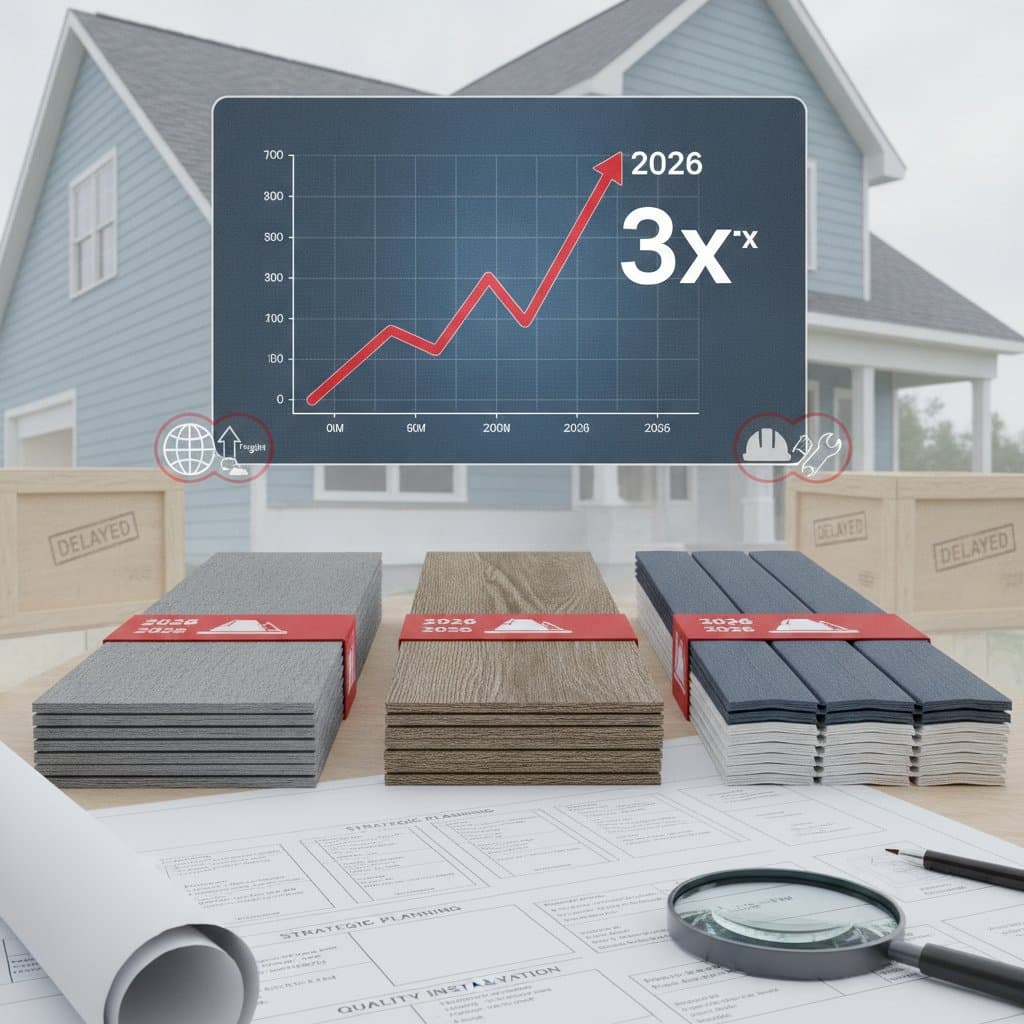
Siding Materials Facing Major Price Increases by 2026
Homeowners planning exterior renovations face a supply landscape where certain siding materials may see dramatic cost jumps. Limited raw materials, regional manufacturing caps, and rising freight rates are pushing some products toward scarcity. Understanding which options are most vulnerable helps you plan projects, lock in pricing, and avoid mid-job delays.
The goal is to protect both your property value and your renovation budget. This guide breaks down how projected shortages will affect price, availability, and long-term return on investment.
Material and Profile Choices
Three siding families face the steepest cost pressure. These include fiber cement, engineered wood, and certain composite vinyl blends.
| Material Type | Strengths | Weaknesses | Durability | Maintenance |
|---|---|---|---|---|
| Fiber Cement | Fire and rot resistant, sharp profiles | Heavy, high shipping cost | 30 to 50 years | Repaint every 10 to 15 years |
| Engineered Wood | Natural look, lighter weight | Moisture-sensitive edges | 25 to 40 years | Refinish as needed, inspect joints |
| Composite Vinyl | Colorfast, low maintenance | Resin supply risk | 25 to 35 years | Wash once a year |
Fiber cement relies on silica, paper pulp, and high-energy curing. Limited silica supply and fuel surcharges will drive up production costs. Engineered wood depends on resin binders that compete with flooring and furniture industries. Composite vinyl faces PVC resin shortages tied to refinery output limits.
To reduce exposure, consider mixing textures carefully. Combine fiber cement on street-facing walls with vinyl or steel panels on less visible sides. Keep color palettes consistent to avoid visual clutter.
Confirm lead times before removing existing siding. Substitute compatible materials only when profiles and expansion rates match.
Installation Quality and Risk Control
Poor installation can destroy any cost advantage. The siding envelope must shed water, move with temperature changes, and ventilate behind panels.
Common failure points include missing joint flashings at vertical seams. Overdriven nails can crack fiber cement. Trapped moisture may result from blocked weep gaps. Unsealed cut edges on engineered wood also create problems.
Risk prevention requires several steps. Install a continuous weather barrier over sheathing. Flash all openings using flexible membranes, not tape alone. Leave expansion gaps as required by the manufacturer. Control debris daily to prevent neighborhood complaints and fines.
Require your installer to photograph each wall before siding covers it. Clear documentation supports warranty claims later.
Contractor Selection and Bidding
Material shortages make clear contracts vital. Request itemized bids that define every component and disposal method.
Scope checklist items cover siding type and finish. They also include weather barrier and flashing materials. Add trim profiles and vented accessories. Include waste removal and site cleanup. Note permit and inspection responsibilities.
Compare bids line by line. Ask for estimated lead times on each material. Never approve substitutions without written confirmation of equal warranty coverage.
A sample payment schedule starts with a deposit for material purchase. The midpoint payment follows weather barrier installation. Final payment occurs after punch list completion.
Steps to Secure Your Project
Siding costs may rise sharply, but informed planning softens the impact. Choose stable materials early. Confirm delivery windows. Maintain your exterior systematically. Homes with well-documented upgrades hold resale value even when material markets fluctuate.