
Siding Strategies: Aligning Materials with Your Local Climate
Selecting siding involves more than aesthetics. It represents a strategic investment that safeguards your home, enhances energy efficiency, and preserves resale value. Appropriate materials repel moisture and pests, regulate indoor temperatures, and sustain visual appeal for years. Poor choices lead to swelling, warping, or premature fading, resulting in unexpected replacement expenses. Aligning siding with your climate extends durability and minimizes long-term costs.
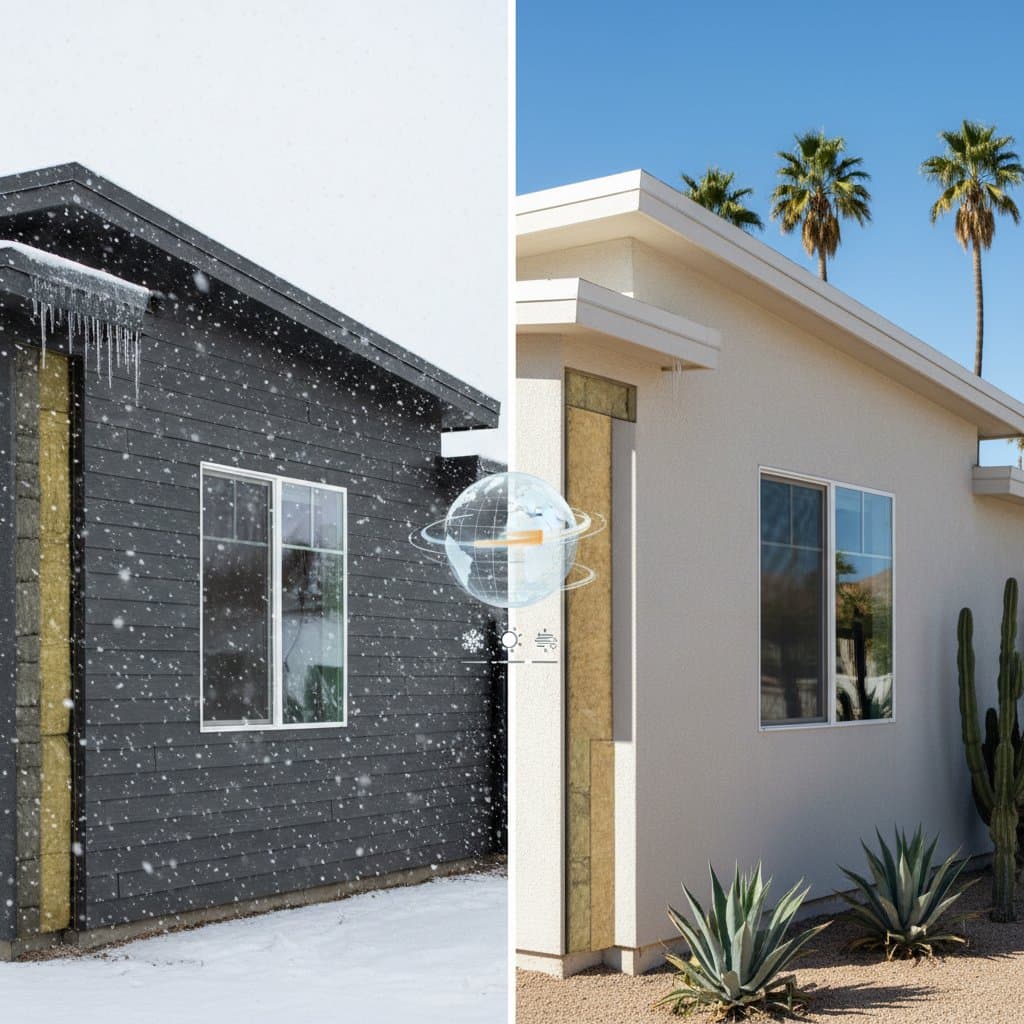
Climates present unique challenges. Humid environments require robust water resistance. Cold areas demand materials that accommodate expansion and provide insulation. Hot, sunny regions challenge color retention and heat absorption. This guide details how to select siding suited to local conditions, estimates associated costs, and outlines installation practices that maintain performance and value.
Selecting Materials and Profiles
Climate compatibility outweighs stylistic preferences when choosing siding. Each material excels or falters based on temperature extremes, humidity levels, and upkeep demands.
| Material | Pros | Cons | Maintenance | Fire/Moisture Resistance |
|---|---|---|---|---|
| Vinyl | Cost-effective, extensive color options, minimal upkeep | Becomes brittle in severe cold, warps in prolonged direct sunlight | Clean with water hose twice per year | Moderate fire rating, fair moisture barrier |
| Fiber Cement | Performs well in heat and humidity, insect-resistant | Heavier weight, periodic repainting required | Refresh paint every 10 to 15 years | Excellent fire protection, superior moisture defense |
| Engineered Wood | Mimics natural wood appearance, lighter than fiber cement | Cut edges need sealing, susceptible without protective finish | Annual inspections, repaint when necessary | Moderate fire rating, effective moisture resistance if sealed |
| Metal (Steel or Aluminum) | Nonflammable, environmentally recyclable, pest-proof | Susceptible to dents, fewer texture varieties | Annual washing to remove buildup | Superior fire resistance, excellent moisture tolerance |
| Natural Wood | Provides genuine, inviting aesthetic | Demands frequent maintenance, prone to rot and infestation | Apply stain or paint every 3 to 5 years | Poor fire resistance, limited moisture protection without treatments |
Tailored Climate Recommendations
- Cold and Dry Climates: Opt for fiber cement or steel to withstand freeze-thaw cycles without cracking.
- Hot and Humid Climates: Fiber cement or engineered wood resists swelling and maintains structural integrity amid moisture.
- Hot and Dry Climates: Stucco or fiber cement endures high temperatures without color degradation.
- Coastal Areas: Marine-grade vinyl or aluminum siding counters salt corrosion effectively.
- Variable Seasonal Climates: Insulated vinyl or composite options flex with temperature fluctuations.
Combining materials enhances design when done thoughtfully. Limit to two complementary textures, such as smooth horizontal lap siding paired with vertical board-and-batten on gables. Excessive profiles disrupt harmony and diminish perceived home value.
Key Insight: Prioritize materials that counter environmental stresses over mere visual appeal. This approach cuts repainting needs, averts warping issues, and bolsters buyer confidence during resale.
Ensuring Proper Installation to Mitigate Risks
Superior materials underperform without expert installation. Most premature failures stem from moisture penetration or vapor entrapment, rather than inherent material flaws.
Essential Building Envelope Practices
- Flashing Integration: Install metal flashing or premium tape at all joints, windows, and material transitions to direct water away.
- Weather-Resistive Barrier: Deploy full-coverage housewrap with precise overlaps and sealed edges for airtight protection.
- Expansion Allowances: Maintain factory-recommended gaps to allow natural movement and prevent distortion.
- Secure Fastening: Employ rust-resistant nails or screws anchored directly into studs, avoiding reliance on sheathing.
Frequent Installation Pitfalls
- Baseboard Deterioration: Arises from absent kick-out flashing or inadequate drip edges that permit water pooling.
- Panel Buckling: Occurs when fasteners secure boards too rigidly, ignoring expansion spaces.
- Trim Moisture Accumulation: Develops from unsealed joints that trap condensation.
- Accelerated Fading: Results from subpar paint selections or unprotected southern exposures lacking UV inhibitors.
Managing Site and Community Impacts
Protect the work area with tarps and barriers to contain debris. Shield adjacent vehicles and plants from dust through regular misting and covering. Inform neighbors in advance of noisy demolition phases. Such precautions foster goodwill and avoid conflicts that could affect future property sales.
Key Insight: Demand detailed moisture management and adherence to product specifications throughout installation. Rigorous oversight here ensures siding endures for decades rather than mere seasons.
Choosing Contractors and Evaluating Proposals
A comprehensive contract safeguards your investment as effectively as quality materials. Evaluate proposals based on detailed scope rather than lowest price alone.
Comprehensive Proposal Review
- Specify material type, profile dimensions, and finish specifications.
- Include provisions for sheathing inspections and repairs.
- Detail weather barrier and flashing components.
- Outline trim, accessories, and integration methods.
- Address waste disposal and site restoration protocols.
- Clarify who handles required permits and inspections.
Request evidence of current licensing, liability insurance, and portfolios of comparable installations. Established professionals furnish manufacturer endorsements or certification documentation.
Analyzing Competitive Bids
Compile a comparison chart detailing each bidder's offerings. Variations in cost frequently trace to exclusions like premium flashing, durable trim, or enhanced insulation layers. Probe every element for clarity prior to commitment. Decline vague lump-sum quotes lacking breakdowns.
Structured Payment Terms
Implement progress-based disbursements:
- Initial Deposit: 10 to 20 percent upon agreement execution.
- Progress Payment: Following demolition of existing siding and surface preparation.
- Final Settlement: Upon project completion and satisfactory final inspection.
Withhold full payment until all deficiencies from the final walkthrough are corrected. Retain all invoices and documentation to support warranty claims.
Key Insight: Insist on itemized contracts and phased payments to minimize exposure. Defined expectations prevent misunderstandings and promote uniform execution.
Maximizing Long-Term Benefits from Your Siding Investment
Once installed, routine care sustains your siding's performance and appearance. Schedule professional inspections every five years to detect subtle issues early. Adjust landscaping to promote airflow and reduce moisture buildup near the foundation. These habits extend material life, lower energy bills through better insulation, and elevate your home's market position. By aligning choices with climate realities from the start, you secure enduring protection and financial advantages.