
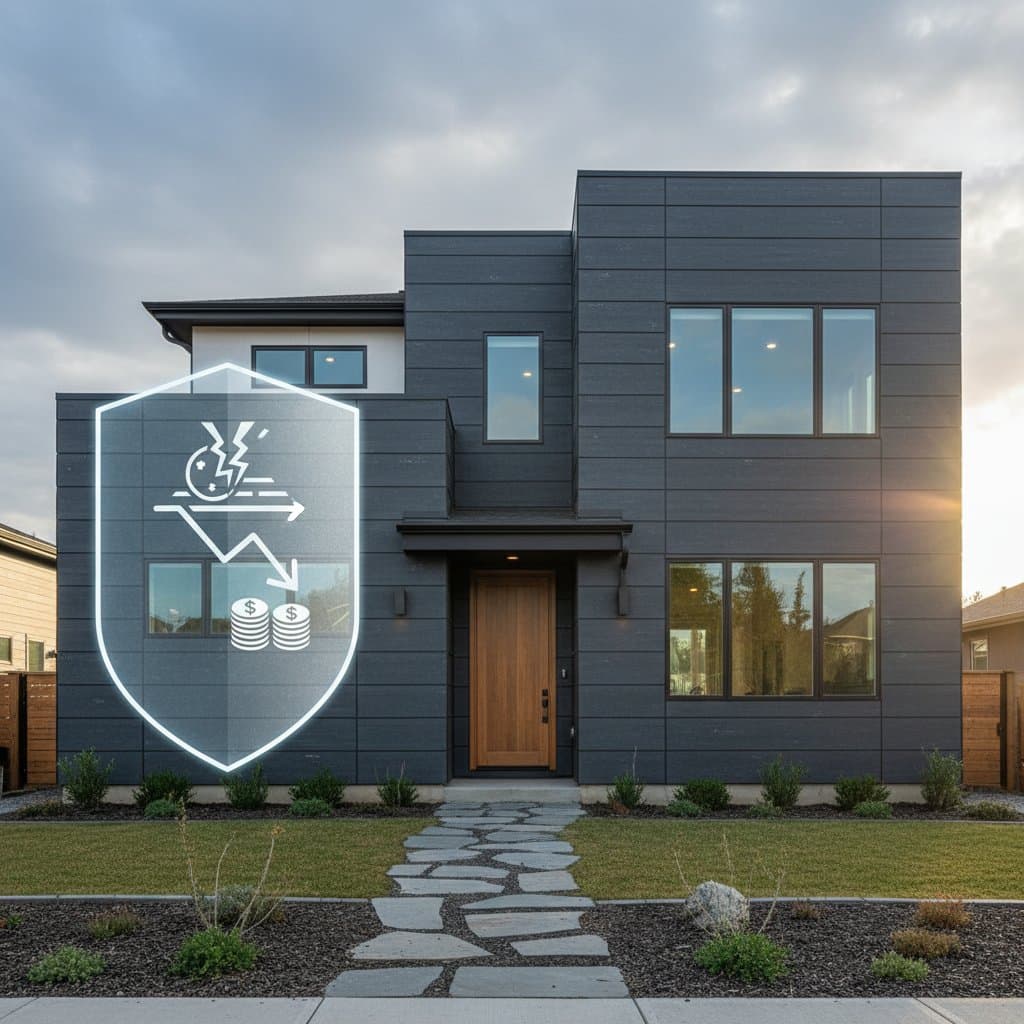
Understanding Impact-Rated Siding
Impact-rated siding represents a durable building material designed to withstand severe weather events, particularly hail and high winds. These products undergo rigorous testing to achieve classifications such as Class 1 through Class 4 under standards from the International Association of Certified Home Inspectors and similar bodies. Homeowners in hail-prone regions benefit from this siding because it minimizes damage that could lead to costly repairs and higher insurance claims.
The ratings indicate the level of resistance to impact. For instance, a Class 4 rating signifies the highest protection against large hailstones, often up to two inches in diameter. Selecting the appropriate rating depends on local weather patterns and insurance requirements, ensuring the siding aligns with both practical needs and financial incentives.
How Impact Ratings Lead to Insurance Discounts
Insurance companies offer premium reductions for homes equipped with impact-rated siding because these materials reduce the likelihood of claims related to storm damage. Discounts typically range from 10 percent to 25 percent, depending on the insurer, location, and specific rating achieved. This savings stems from lower risk assessment, as verified installations demonstrate proactive protection against common perils.
To qualify for these discounts, homeowners must provide documentation such as product certifications and installation records to their insurance provider. Many insurers require the siding to cover at least 80 percent of the exterior walls and meet minimum impact class standards. Consulting with an agent early in the planning process helps clarify eligibility and maximizes potential reductions.
Materials That Earn Top Impact Ratings
Several materials excel in impact-rated applications, each offering unique advantages in durability and aesthetics.
-
Engineered Polymers: These composites, often made from polyvinyl chloride or similar synthetics, achieve high impact resistance without sacrificing visual appeal. They resist fading and require minimal upkeep, making them suitable for various architectural styles.
-
Fiber Cement: Known for its strength, fiber cement siding withstands impacts while providing a natural texture that mimics wood or stone. It performs well in extreme temperatures and resists moisture, which enhances overall longevity.
-
Metal Siding: Aluminum and steel options with reinforced coatings deliver superior protection against dents and punctures. These materials integrate seamlessly with modern designs and offer recyclable benefits for environmentally conscious homeowners.
Choosing the right material involves balancing cost, appearance, and performance. For example, in areas with frequent large hail, Class 4 fiber cement provides robust defense at a reasonable price point.
Essential Installation Details for Insurance Compliance
Proper installation ensures that impact-rated siding functions as intended and satisfies insurance criteria. Certified contractors follow manufacturer guidelines to secure panels with enhanced fasteners that prevent loosening during storms. This process includes overlapping seams correctly and applying sealants to block water infiltration.
Insurers often inspect installations to confirm adherence to building codes and product specifications. Key requirements include using impact-resistant underlayment and ensuring full coverage without gaps. Homeowners should retain detailed records, including photos and warranties, to streamline discount applications.
Engaging a licensed professional minimizes errors that could void warranties or disqualify savings. The investment in quality installation pays off through extended material life and reliable performance over decades.
Maintenance Strategies to Preserve Ratings and Savings
Regular maintenance sustains the protective qualities of impact-rated siding, preventing minor issues from escalating into major expenses. Annual inspections check for loose panels, cracks, or debris accumulation that might compromise integrity. Cleaning involves gentle washing with approved solutions to remove dirt without damaging the surface.
Addressing wear promptly, such as resealing joints or replacing isolated sections, maintains the overall rating. In snowy regions, clearing ice buildup around edges avoids stress on the material. These habits not only extend the siding's lifespan but also support ongoing insurance eligibility.
Homeowners can schedule professional assessments every few years to document condition, which strengthens claims for continued discounts. Consistent care transforms the initial upgrade into a sustained asset for home protection.
Securing Long-Term Value from Your Siding Investment
Upgrading to impact-rated siding delivers multifaceted benefits beyond immediate insurance savings. Enhanced durability boosts property value by appealing to buyers seeking low-maintenance, weather-resistant features. The combination of aesthetic improvements and financial protections creates a compelling case for investment.
Evaluate local incentives, such as rebates for energy-efficient or resilient materials, to offset upfront costs. Partnering with reputable contractors ensures a seamless process that aligns with personal and insurer expectations. Ultimately, this choice fortifies the home against uncertainties while fostering peace of mind and economic advantages.