
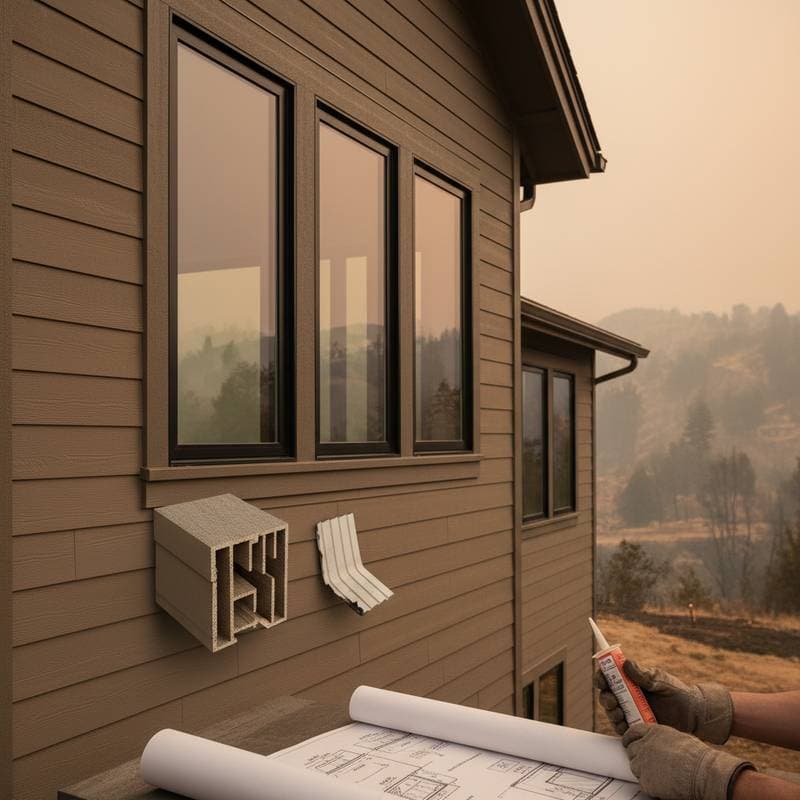
Which Siding Material Performs Best in Wildfire-Prone Areas: Fiber Cement or Vinyl?
Wildfire risks increase across numerous regions, transforming siding selection into a critical safety consideration beyond mere aesthetics. Homeowners in vulnerable zones require a robust wall system capable of withstanding intense heat, airborne embers, and radiant energy until emergency responders arrive. This analysis examines fiber cement and vinyl siding across key attributes, including fire resistance, cost, durability, and installation, to determine the superior option for ember exposure and flame proximity.
Planning and Cost Considerations for a Wildfire-Resistant Siding Upgrade
Project Scope
A comprehensive wildfire-resistant siding installation extends beyond applying new panels. Professionals conduct thorough wall inspections, remove existing materials, verify sheathing integrity, upgrade flashing, and incorporate fire-rated caulks and sealants. The objective remains a seamless, ignition-resistant building envelope that minimizes vulnerability points.
Cost Ranges and Standard Estimates
- Fiber Cement: Installation costs range from $7 to $13 per square foot.
- Vinyl: Installation costs range from $4 to $8 per square foot.
These estimates encompass materials, labor, trim, and fasteners. Fiber cement demands higher expenses due to its weight, specialized cutting equipment, and frequent need for two-person handling teams. Vinyl facilitates quicker installation and lighter weight, reducing overall labor time.
Factors Influencing Total Expenses
- Building Height and Accessibility: Multi-story structures necessitate scaffolding, elevating costs.
- Demolition Challenges: Extracting wood or stucco proves more time-intensive than removing prior vinyl layers.
- Trim and Flashing Enhancements: Noncombustible elements around windows and doors bolster protection yet increase outlays.
- Local Building Codes: Certain fire regulations mandate ignition-resistant systems validated through ASTM testing protocols.
- Surface Finishes: Pre-painted fiber cement endures longer but incurs additional initial investment.
Project Timeline Overview
- Bidding and Contracting: One week for on-site evaluation, quoting, and finalizing agreements.
- Ordering and Delivery: One to two weeks, varying by supplier availability.
- Demolition and Preparation: Two to five days.
- Siding Application: Five to ten days for typical residences.
- Finishing and Cleanup: One to two days.
- Final Inspection: One day.
The entire process spans two to three weeks from demolition commencement to inspection completion. Inclement weather may prolong this duration.
Permitting and Compliance Checks
Fire-rated siding installations typically require building permits. Inspectors verify flashing placement, secure nailing, and adequate clearances near eaves and decks. In wildfire-designated areas, projects might demand confirmation of defensible space measures, including vegetation clearance within prescribed radii.
Strategies to Manage Budget and Avoid Unexpected Charges
- Obtain detailed bids separating materials, labor, and waste removal.
- Establish fixed allowances for trim and painting to prevent on-site price hikes.
- Clarify waste disposal costs in advance, as fiber cement generates substantial, heavy debris.
- Review flashing specifications early to sidestep expensive modifications during inspections.
Deciding Between Repairs and Full Replacement
Radiant heat often causes vinyl to melt or warp, necessitating complete panel replacement. Fiber cement withstands surface charring and may allow localized patching in minor cases. When damage affects more than 25 percent of the wall surface, comprehensive replacement ensures uniform fire resistance and structural integrity.
Durability and Safety Features in Wildfire Environments
Regional Weather Challenges
Wildfire-prone areas endure extreme heat alongside intense rainfall. Fiber cement excels against both fire and moisture penetration. Vinyl repels water effectively but deforms under sustained heat, creating openings that permit ember intrusion to underlying sheathing.
Performance Across Fire, Moisture, and Impact
Fire Resistance: Fiber cement qualifies as noncombustible per established building codes, refusing to ignite or sustain flames. Vinyl, composed of polyvinyl chloride, functions as a thermoplastic that softens and melts at relatively low temperatures. Even without direct ignition, vinyl detachment exposes interior combustibles.
Moisture Management: Fiber cement accommodates minimal water absorption and expels it through proper ventilation. Vinyl channels water away but risks trapping humidity behind panels if housewrap installation falters.
Impact Resistance: Fiber cement better endures hail and flying debris compared to vinyl, which cracks easily in cold conditions.
Essential Envelope Practices to Mitigate Risks
- Screen all ventilation openings with fine metal mesh to deter ember entry.
- Preserve a one-inch gap between siding and horizontal elements such as decks.
- Install noncombustible flashing at all joints and penetrations.
- Apply back caulking to vertical seams in fiber cement installations to block smoke passage.
- Avoid vinyl for soffits or vent covers adjacent to attic access points.
Routine Maintenance Schedule and Techniques
| Task | Frequency | Approach |
|---|---|---|
| Surface cleaning for dust and soot | Every six months | Gentle low-pressure rinse with mild detergent and soft brush |
| Caulk and paint evaluation | Annually | Apply exterior-grade sealant and compatible coatings as needed |
| Fastener and trim inspection | Annually | Secure or replace any corroded components |
| Fiber cement repainting | Every 10 to 15 years | Adhere to manufacturer preparation and application guidelines |
High-pressure washing damages both materials by forcing water behind panels or eroding edges. Steer clear of abrasive solvents that compromise vinyl coatings or fiber cement finishes.
Warranty Essentials and Homeowner Duties
Fiber cement products carry 30- to 50-year warranties on core boards and 10- to 15-year coverage on factory-applied paints, excluding issues from faulty installation or building shifts. Vinyl warranties address material flaws over comparable periods but omit heat-related deformations from fires or outdoor sources. Retain all installation documentation and photographs to support potential claims.
Side-by-Side Comparison: Fiber Cement Versus Vinyl in Fire Scenarios
| Attribute | Fiber Cement | Vinyl |
|---|---|---|
| Combustibility | Noncombustible | Combustible thermoplastic |
| Heat Tolerance | Endures direct exposure for minutes without igniting | Deforms and melts from radiant heat |
| Smoke Generation | Minimal output | Substantial, with toxic emissions |
| Maintenance Needs | Low; periodic repainting required | Low; susceptible to warping |
| Environmental Considerations | Higher initial impact from cement content, offset by extended durability | Derived from petroleum; shorter service life |
| Expected Lifespan | 40 to 50 years | 20 to 30 years |
| Ideal Application | Elevated fire-risk zones with variable weather | Moderate-risk urban settings |
Ongoing Maintenance Practices for Long-Term Protection
- Examine siding following any regional fire incidents, regardless of direct property involvement.
- Address hairline cracks in fiber cement through repainting or resealing.
- Substitute warped or faded vinyl panels promptly.
- Clear gutters regularly to eliminate ember-trapping debris.
- Sustain defensible space via vegetation pruning and debris removal.
Frequently Asked Questions
Does fiber cement siding completely prevent house fires in wildfires?
Fiber cement provides noncombustible exterior protection, delaying ignition from embers and radiant heat. It buys critical time for firefighting efforts but works best alongside defensible space and fire-resistant roofing.
How does installation quality affect wildfire performance?
Proper techniques, such as secure flashing and screened vents, seal the building envelope against ember penetration. Substandard work compromises even the most fire-resistant materials.
Is vinyl siding safe if treated with fire retardants?
Treatments offer limited enhancement, but vinyl's inherent thermoplastic nature leads to melting under heat stress. Noncombustible alternatives like fiber cement provide more reliable defense.
What maintenance errors shorten siding lifespan in fire zones?
Neglecting caulk inspections allows moisture and ember entry. Overlooking trim clearances near decks invites ignition risks. Annual checks preserve both appearance and safety.
Building Confidence in Your Home's Fire Defenses
Selecting fiber cement siding equips your property with enduring protection against escalating wildfire threats. This material's noncombustible properties, combined with strategic installation and upkeep, safeguard investments and loved ones. Consult local experts to tailor these insights to your site's unique conditions, ensuring resilience for decades ahead.