
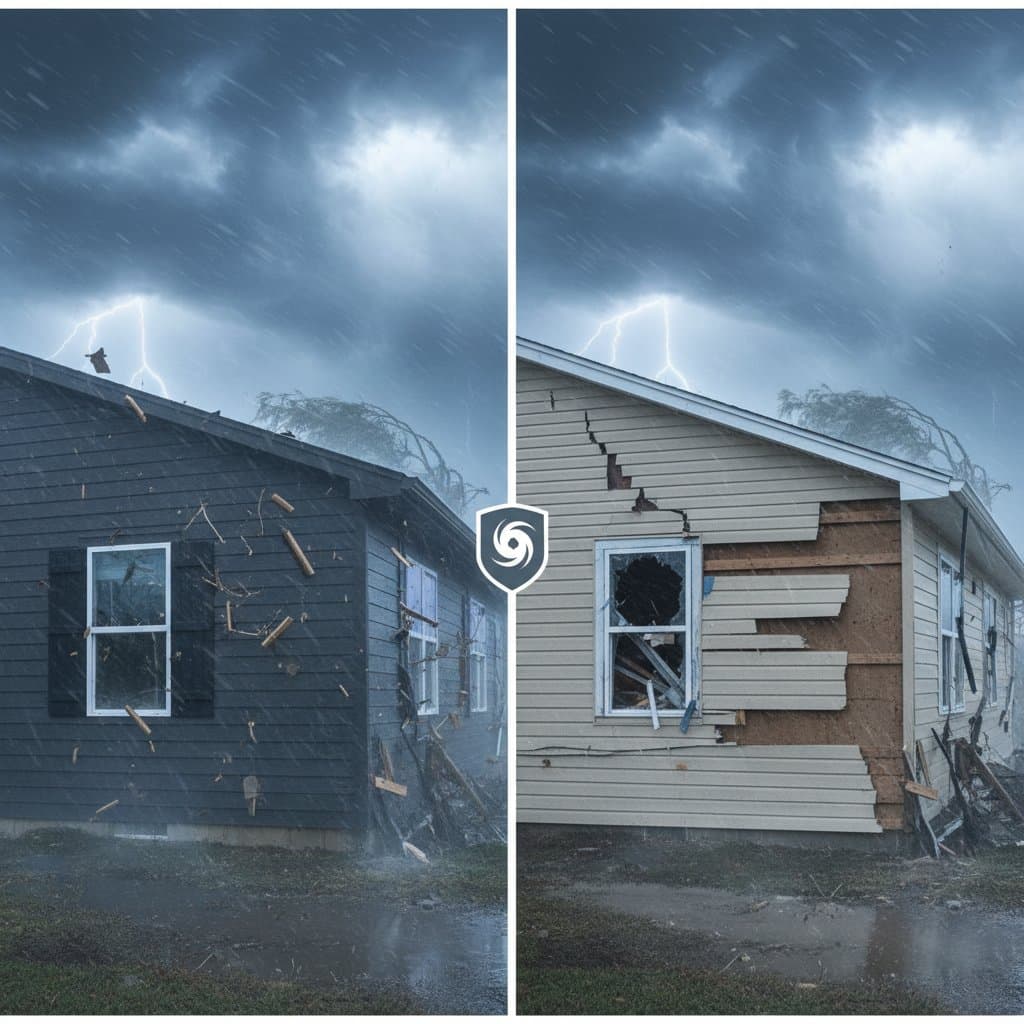
Understanding Storm Resistance in Siding Materials
Severe weather events challenge the structural integrity of homes, making siding selection a critical decision for protection and longevity. Fiber cement and vinyl siding represent two popular choices, each offering distinct advantages in withstanding high winds, flying debris, and heavy moisture. This comparison examines their performance under storm conditions, alongside factors like cost, maintenance, and aesthetic appeal to guide homeowners toward an informed choice.
Fiber cement, composed of cement, sand, and cellulose fibers, provides robust defense against impacts and water penetration. It resists cracking from hail or debris and maintains stability in winds up to 110 miles per hour when properly installed. Vinyl siding, made from polyvinyl chloride, flexes under pressure to avoid shattering but may dent or crack in extreme impacts.
Homeowners in hurricane zones or areas with frequent thunderstorms benefit from evaluating these properties alongside local building codes, which often specify minimum impact ratings.
Evaluating Costs and Return on Investment
Initial expenses influence siding decisions, particularly for budget-conscious projects. Fiber cement installation typically ranges from $10 to $14 per square foot, reflecting its denser composition and labor-intensive preparation. Vinyl siding proves more economical at $6 to $9 per square foot, appealing to those seeking quick, cost-effective upgrades.
Additional factors elevate total project costs. For fiber cement, site preparation involves specialized cutting tools and heavier lifting equipment, potentially increasing expenses by 10 to 25 percent on multi-level structures or those requiring extensive trim. Vinyl projects demand less robust support, allowing faster completion and lower labor fees.
Small-scale applications, such as refreshing a single accent wall, often total under $8,000 for either material. Mid-sized single-story homes see costs between $12,000 and $20,000, while expansive or complex installations can surpass $30,000, including old siding removal and waste disposal.
Both options yield solid returns upon resale. Fiber cement recoups 70 to 80 percent of its cost, enhanced by its premium appearance that elevates property listings. Vinyl recovers 65 to 75 percent, supported by its clean, modern finish. In storm-vulnerable markets, durable siding like fiber cement can command higher offers due to perceived reliability.
Key Insight: While vinyl offers immediate savings, fiber cement's superior storm resilience justifies the investment for long-term financial and protective benefits.
Enhancing Curb Appeal Through Thoughtful Design
Aesthetic considerations extend beyond functionality, as visually appealing siding boosts property value and neighborhood harmony. Effective design balances scale, color, and proportion to create an inviting facade.
Fiber cement supports versatile profiles, from wide lap siding that minimizes the appearance of large surfaces to narrower boards that add subtle texture on compact areas. This flexibility allows customization to match traditional or contemporary architectures. Vinyl, with its uniform panels, excels in streamlined looks but requires careful selection to avoid a monotonous effect.
Color choices impact both durability and style. Fiber cement accommodates rich, factory-applied paints that resist peeling and retain vibrancy for decades. Opt for earth tones like deep grays or warm taupes to complement natural surroundings. Vinyl's integrated pigments perform best in lighter hues, such as soft beiges or muted blues, which fade less under ultraviolet exposure.
Integrate siding with entry elements for cohesive appeal. Position house numbers and lighting symmetrically, and select trim colors that provide gentle contrast without overwhelming the primary surface. These details ensure the home photographs attractively for real estate purposes and withstands visual scrutiny during storms.
Key Insight: Tailor profiles and colors to your home's architecture for enhanced curb appeal that supports both daily enjoyment and market competitiveness.
Storm Performance: Direct Comparison
Directly assessing storm resilience reveals clear differences between fiber cement and vinyl. Fiber cement excels in high-impact scenarios, classified under Class A or B impact resistance standards, meaning it absorbs blows from debris without fracturing. During hurricanes or tornadoes, it prevents water infiltration by swelling minimally when wet, reducing mold risks inside walls.
Vinyl siding demonstrates flexibility, bending rather than breaking in winds exceeding 100 miles per hour. However, it shows vulnerability to punctures from sharp objects or prolonged hail exposure, potentially leading to gaps that allow moisture entry. In moderate storms, vinyl performs adequately, but extreme events may necessitate repairs sooner than with fiber cement.
Installation quality amplifies these traits. Secure fiber cement with corrosion-resistant fasteners spaced every 16 inches, and ensure proper flashing around windows to direct water away. For vinyl, use insulated backing panels in cold climates to prevent warping, and maintain at least a one-inch air gap behind for drainage.
Local climate data further informs choices. In coastal regions with salt spray, fiber cement's non-combustible nature adds fire resistance alongside storm durability. Vinyl suits inland areas with milder winters, where its lightweight installation minimizes structural strain.
Key Insight: Fiber cement provides unmatched storm protection for high-risk areas, while vinyl suffices for regions with less severe weather patterns.
Maintenance Strategies for Extended Durability
Ongoing care preserves siding performance, particularly after storm exposure. Fiber cement endures 30 to 50 years with diligent attention, outlasting vinyl's 20 to 30 years before signs of wear like cracking appear.
Follow this maintenance schedule to maximize longevity:
- Every six months, examine caulk joints for cracks and apply fresh sealant. For fiber cement, repaint minor scratches; clean vinyl using a gentle detergent solution and soft brush to remove dirt buildup.
- Every two years, reseal or repaint fiber cement sections facing intense sunlight or frequent rain to prevent erosion.
- Every five years, check all fasteners, trim pieces, and seams for loosening or rust, tightening as needed.
- Immediately after storms, inspect for dislodged panels, damaged corners, or signs of water entry near doors and vents, addressing issues promptly to avoid escalation.
Document all upkeep with photos and receipts to support warranty claims, which often span 25 to 50 years for fiber cement and 30 to lifetime for vinyl, provided maintenance guidelines are followed.
Key Insight: Proactive maintenance routines ensure both materials deliver reliable protection, with fiber cement offering greater endurance through consistent effort.
Selecting Siding That Secures Your Home's Future
Choosing between fiber cement and vinyl hinges on your location's weather risks, budget constraints, and design preferences. Fiber cement stands out for superior storm resistance and premium aesthetics, ideal for properties in volatile climates seeking long-term assurance. Vinyl provides an accessible entry point with solid performance in calmer environments, balancing affordability and ease.
Consult local contractors to assess your home's specific needs, including substrate condition and code compliance. By prioritizing durability alongside visual and financial factors, you equip your residence to thrive against 2026's intensifying weather challenges, safeguarding both structure and investment.