
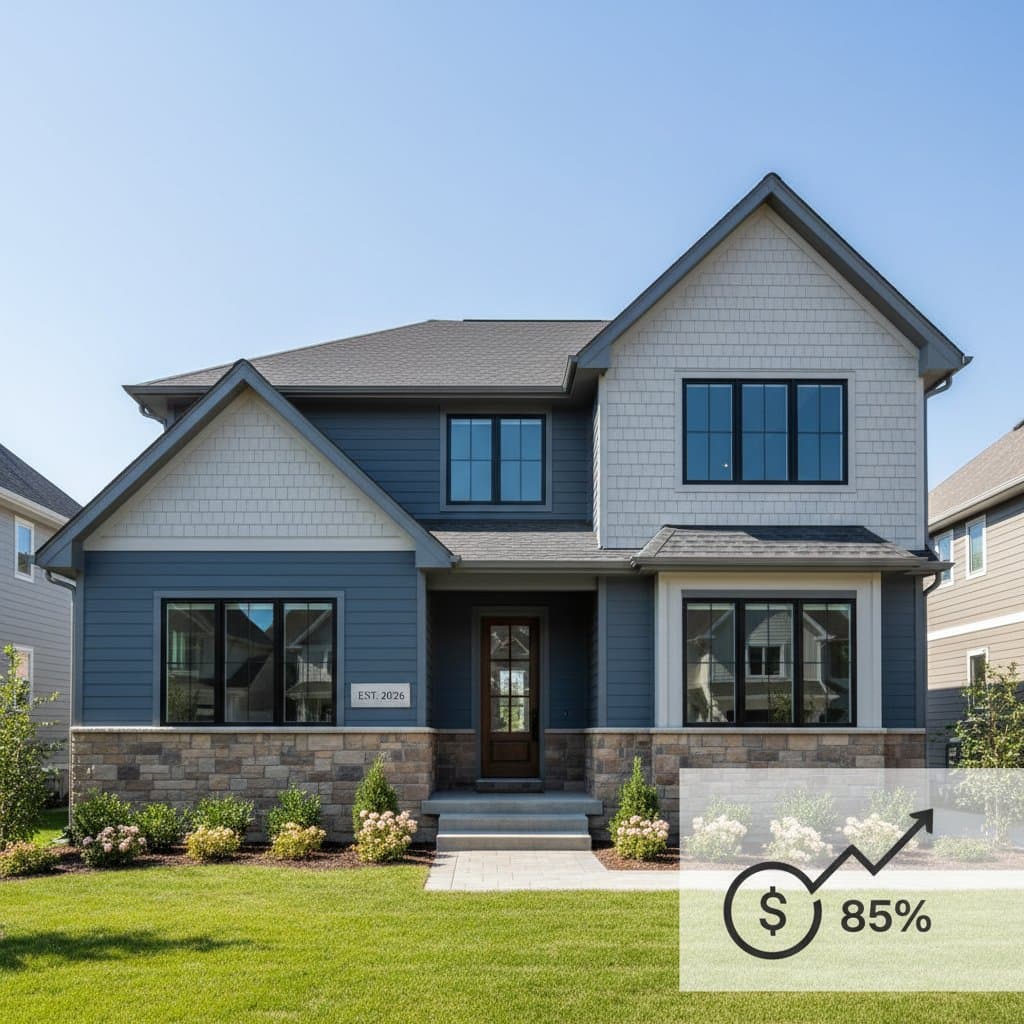
Best Siding Materials for Maximum Resale Value
Homeowners preparing to sell their property often seek exterior upgrades that enhance resale value. Siding replacement stands out as a high-impact project because it revitalizes curb appeal, enhances energy efficiency, and demonstrates diligent property maintenance to potential buyers. Selecting the appropriate material can result in recovering a substantial portion of the investment upon sale. This guide details the siding options that deliver the strongest returns, examines how costs and durability affect value, and provides insights on installation and maintenance practices that safeguard the investment.
Factors Influencing Cost, Return on Investment, and Overall Impact
Siding replacement offers one of the highest returns among exterior renovations. Sellers typically recoup 60 to 85 percent of the project expenses at the time of sale. This variation arises from factors such as geographic location, the quality of installation, and buyer perceptions of visual appeal alongside ongoing maintenance needs.
Installed Cost Ranges by Material
- Vinyl: $6 to $12 per square foot
- Fiber Cement: $10 to $16 per square foot
- Engineered Wood: $9 to $14 per square foot
- Metal (Steel or Aluminum): $10 to $18 per square foot
- Natural Wood: $12 to $20 per square foot
These estimates account for average removal and installation on a two-story home, including basic trim work. Additional elements like corners, soffits, or difficult access points may increase expenses. Projects on single-story homes or those with straightforward tear-off processes generally incur lower costs.
Key Cost Drivers
- Removal Processes: Disposing of existing siding and underlayment contributes $1 to $3 per square foot.
- Project Complexity: Multi-story designs, irregular rooflines, or intricate trim demand more labor hours.
- Material Handling: Dense options like fiber cement necessitate team lifts and precision cutting equipment.
- Weatherproofing Enhancements: Adding advanced moisture barriers or rigid insulation layers raises upfront costs while improving thermal performance.
- Finishing Options: Factory-applied colors and textures command a premium but eliminate future painting labor.
Project Scale Illustrations
- Small-Scale Example: Replacing 1,500 square feet with vinyl siding totals approximately $12,000 to $16,000.
- Medium-Scale Example: Updating 2,000 square feet with fiber cement ranges from $22,000 to $30,000.
- Large-Scale Example: Installing 3,000 square feet of engineered wood costs about $27,000 to $38,000.
To estimate return on investment, integrate these cost projections with recent sales data from similar properties in the area. A siding upgrade that introduces contemporary colors and superior insulation frequently recoups the majority of expenses and lowers utility bills in the interim period before listing the home.
Enhancing Curb Appeal Through Thoughtful Design
Prospective buyers form initial impressions of a home's condition and character from the curb. Siding replacement provides an opportunity to refine architectural proportions, streamline visual elements, and update hues while adhering to local aesthetic preferences.
Principles of Massing, Contrast, and Proportion
Maintain uniform lap siding exposure across all exterior faces to create a harmonious rhythm. Accentuate corners with trim boards that offer subtle tonal contrast for sharp definition. Ensure precise vertical alignment between windows and siding panels to prevent any appearance of settling or misalignment.
Fundamentals of Color Selection
Opt for mid-tone shades like slate gray, warm taupe, or muted green, which translate effectively in real estate photography. Darker hues tend to fade more quickly and accumulate visible dirt, whereas pale colors can emphasize panel seams. Coordinate color undertones with existing roof materials and masonry; for instance, cool grays complement dark asphalt or slate roofs, while earthy neutrals harmonize with reddish-brown brick.
Focusing on Entryways and Illumination
A prominently framed front entry diverts attention from minor flaws elsewhere on the facade. Employ siding interruptions or dedicated trim to outline the doorway. Install balanced, non-glaring exterior lights to support both daytime photos and evening showings. Update any deteriorated hardware and position address numerals flush with the trim for a polished presentation.
Select a unified color scheme featuring one dominant body color, a complementary trim shade, and perhaps a single accent hue. Achieving balanced proportions and crisp lines often elevates perceived home value beyond the influence of premium materials.
Ensuring Longevity Through Maintenance Practices
Siding requires ongoing attention to preserve its protective qualities and visual integrity. Regular upkeep prevents minor wear from escalating into expensive overhauls.
Routines for Cleaning and Surface Preservation
Clean vinyl and fiber cement surfaces once a year using a gentle detergent solution and soft-bristle brushes. Steer clear of high-pressure washers, which may force moisture beneath the panels. For engineered or natural wood, apply touch-up paint as soon as fading or wear becomes evident, ideally within the first year.
Recommended Inspection Schedule
Conduct thorough checks at least biannually, focusing on cracks, deteriorated caulk, or signs of pest activity. Examine seams near windows and doors following extreme weather events. Prompt identification of issues like warping or discoloration minimizes the need for full repaints.
Preventive Measures
Position gutters and downspout extensions to divert water away from siding contact zones. Prune vegetation to maintain clearance from walls, promoting adequate air circulation. Renew compromised caulking with durable, exterior-rated sealants compatible with paint.
Managing Warranties
Manufacturer guarantees typically address material flaws but exclude installation errors. Retain all documentation, including receipts and records of maintenance activities like painting schedules. Warranties that transfer to new owners enhance buyer assurance, particularly if the sale occurs prior to expiration.
Diligent maintenance upholds the siding's aesthetic and functional benefits. A pristine, meticulously recorded exterior reassures buyers of minimal future concerns.
Integrating Siding into Everyday Homeownership
Once installed, siding integrates into routine living and contributes to the property's neighborhood presence. Homeowners who maintain detailed records and perform consistent care often achieve superior resale outcomes. Store spare panels for minor fixes and record exact color specifications for effortless matching. Capture professional photographs of the completed installation to include in future marketing materials.
Essential Strategies for Optimal Results
- Organize Documentation: Compile contracts, material specifications, and color details in an accessible folder.
- Favor Timeless Hues: Neutral palettes endure market shifts better than dramatic choices.
- Perform Yearly Assessments: Address small fissures or detached sections promptly to avoid escalation.
- Promote Airflow: Ensure proper ventilation in attics and soffits to mitigate condensation risks behind the siding.
- Monitor Market Trends: Consult recent comparable sales to align expectations with local resale dynamics.
Addressing Frequent Concerns
Question: When should one choose repair over complete replacement?
If damage or discoloration affects more than 25 percent of the panels, a full replacement generally provides stronger resale benefits. Partial fixes may create uneven appearances and prompt buyer inquiries about underlying problems.
Question: Which color palettes attract the widest buyer interest?
Mid-range neutrals such as soft gray, cream beige, or subtle sage green offer universal appeal and excel in photographs. Local preferences influence choices, yet moderate differentiation between body and trim shades consistently yields positive listing results.
Question: Do insulated vinyl options yield significant energy reductions?
Properly installed insulated panels can reduce heating and cooling expenses by 5 to 10 percent, especially with airtight underlayment. These improvements enhance daily comfort, even if the direct financial return from savings remains moderate.
Sustaining Value Over Time
Investing in quality siding pays dividends through enhanced protection and appeal. By prioritizing durable materials, strategic design, and proactive care, homeowners position their property for maximum return in the resale market. This approach not only elevates immediate curb appeal but also ensures lasting structural integrity and buyer trust.