
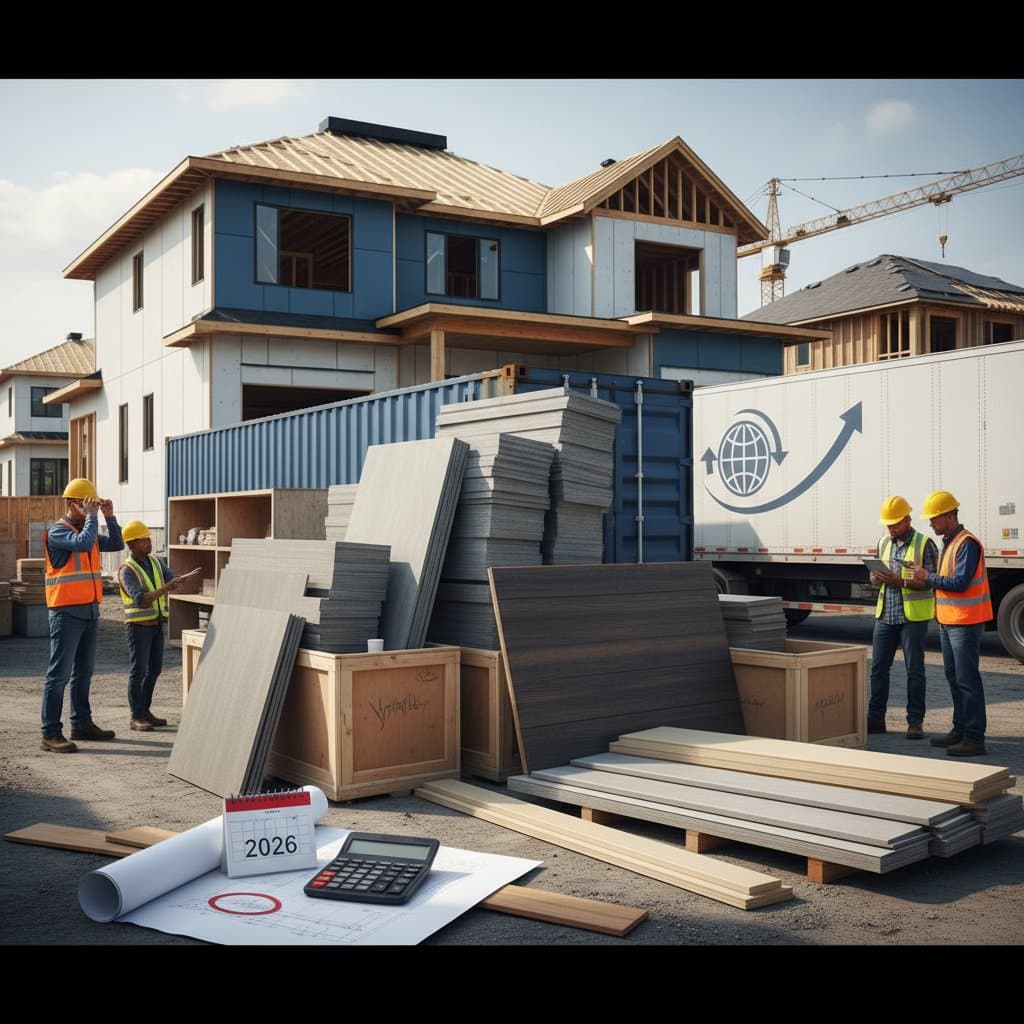
Why Siding Costs Are Set to Double Before the 2026 Shortage
Homeowners who plan exterior renovations often encounter discussions about an impending siding shortage and escalating prices. Constraints in supply chains, elevated transportation expenses, and a scarcity of skilled labor contribute to higher overall project budgets. A clear grasp of these dynamics enables better timeline management and safeguards property value over time.
This guide delves into the evolving cost landscape, identifies impacted materials, and provides concrete steps to mitigate expenses as supply conditions grow more restrictive.
Analyzing Costs, Return on Investment, and Influencing Factors
Exterior siding upgrades consistently deliver market value through enhanced curb appeal and minimized ongoing maintenance, which attract potential buyers. However, the comprehensive expense for such projects rises rapidly. For instance, a full siding replacement that previously averaged twelve dollars per square foot now surpasses eighteen dollars per square foot amid tightening supplies.
Primary Cost Drivers
- Material Availability Challenges: Producers of vinyl, fiber cement, and engineered wood encounter delays in sourcing essential raw materials like resins, cement composites, and sustainable lumber.
- Labor Shortages: Demand for certified installers exceeds supply, with professionals scheduling projects months in advance and commanding premium hourly wages that range from fifty to eighty dollars depending on region.
- Shipping and Storage Expenses: Bulkier options such as fiber cement boards incur additional freight charges, often adding ten to twenty percent to material costs due to fuel price volatility and port backlogs.
- Trim and Accessory Elements: Features like window wraps, corner boards, and soffit installations extend labor time by fifteen to thirty percent, particularly when custom fabrication is required.
Project Cost Estimates by Home Size
To illustrate scale, consider these updated ranges for a standard installation including removal of old siding:
- Compact Home (1,200 square feet): Expect ten thousand to sixteen thousand dollars, factoring in basic vinyl or aluminum applications.
- Average Home (2,000 square feet): Budgets typically span eighteen thousand to thirty thousand dollars, with fiber cement pushing toward the upper limit.
- Spacious Home (3,000 square feet or larger): Costs climb to twenty-eight thousand to forty-five thousand dollars, influenced by multi-story access and premium material selections.
Return on Investment Insights
Data from industry analyses indicate that siding replacements recoup sixty to seventy-five percent of invested costs upon resale. Materials like fiber cement and engineered wood achieve the upper range thanks to their durability spanning thirty to fifty years and superior resistance to fire and pests. Vinyl and aluminum options yield slightly lower returns but excel in affordability and ease of upkeep, boosting visual freshness that elevates buyer interest.
Immediate Steps for Cost Control
Homeowners benefit from obtaining multiple bids promptly, verifying stock levels with suppliers, and securing fixed pricing through detailed contracts. Allocate a fifteen percent buffer in budgets to accommodate fluctuations from shipping delays or unexpected labor hikes. Consulting local contractors early reveals regional incentives, such as energy-efficient material rebates that offset initial outlays.
Enhancing Curb Appeal Through Thoughtful Design
Siding plays a pivotal role in shaping initial perceptions and excels in real estate photography, outperforming many other facade components in visual impact.
Essential Design Guidelines
- Proportional Massing: Select plank widths that harmonize with architectural scale; broader panels complement vertical elevations, whereas slimmer profiles enhance compact structures.
- Strategic Contrast: Incorporate trim or accents in complementary shades to accentuate architectural lines, creating depth without overwhelming the primary color.
- Optimal Color Selection: Opt for medium-depth hues that resist fading and render vividly in photos; always evaluate samples under natural daylight to assess true tones and avoid surprises.
- Focal Entryway Design: Frame the front door with precise siding transitions and integrated lighting to convey meticulous attention and premium quality.
- Accessory Integration: Update house numbers, mailboxes, and lighting fixtures concurrently with siding work to deliver a cohesive, refreshed exterior.
Value-Adding Design Advice
Intentional selections that balance form and function elevate perceived worth, even on constrained budgets. For example, integrating subtle textures like board-and-batten styles adds character to plain facades, potentially increasing resale appeal by five to ten percent according to market trends.
Ensuring Durability Through Maintenance Practices
Post-installation, the longevity of siding hinges on consistent monitoring and care routines that prevent minor issues from escalating.
Seasonal Maintenance Routine
- Spring Cleaning: Gently rinse accumulated dirt, pollen, and debris using a garden hose at low pressure to restore surface clarity.
- Fall Inspections: Examine caulking around windows, doors, and seams for deterioration, resealing as needed to block moisture intrusion.
- Biennial Reviews: Scrutinize fasteners for loosening and apply touch-up coatings to any exposed metal or wood elements.
- Storm Aftermath Checks: Promptly assess for damage like dents, cracks, or dislodged panels that could compromise the underlying structure.
Steer clear of high-pressure washers, as they risk forcing water beneath siding layers and promoting mold growth. Instead, employ soft-bristle brushes paired with a diluted, non-abrasive cleaner for safe, effective upkeep.
Warranty and Documentation Essentials
Manufacturers typically guarantee material integrity for twenty-five to fifty years against defects such as warping or cracking. Claims become invalid through improper installation or neglected sealing; thus, retain all invoices, installation photos, and maintenance logs as proof of diligent care. This documentation not only supports warranty enforcement but also reassures appraisers and buyers of the system's reliability.
Securing Lasting Value Amid Market Pressures
As siding inventories dwindle and production capacities strain under global demands, proactive measures position homeowners for optimal outcomes. Early engagement with reputable suppliers confirms material access, while emphasis on precise installation techniques ensures performance aligns with expectations.
Maintain comprehensive records detailing every component, applied finishes, and upkeep activities. Such thoroughness demonstrates a robust, weather-resistant exterior that withstands time and appeals to discerning markets.
Through strategic foresight, routine preservation, and discerning choices in materials, individuals fortify their properties against shortages and cost surges, yielding enduring aesthetic and financial benefits.