
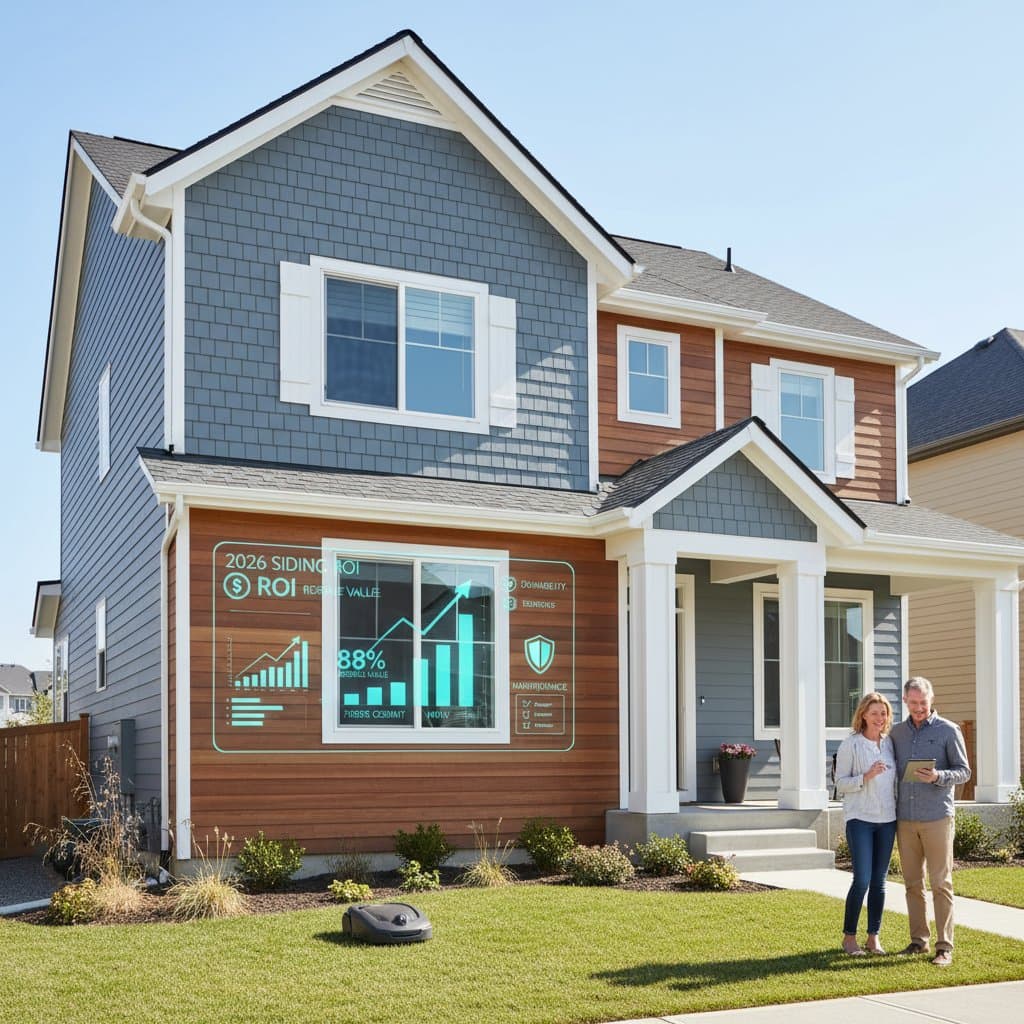
2026 Siding ROI: Leading Materials for Optimal Resale Value
Homeowners undertaking a siding replacement seek enhanced protection alongside increased resale potential. Siding plays a pivotal role in shaping buyer perceptions of maintenance levels, overall quality, and initial visual appeal. Selecting the appropriate material elevates a property's market value significantly while minimizing future maintenance expenses. Conversely, an ill-suited choice may result in substantial costs from issues such as premature fading, material swelling, or inadequate thermal performance.
This guide delineates the impact of siding selections on return on investment, elucidates factors influencing cost variations, and highlights materials excelling in durability and market desirability. Each segment concludes with actionable recommendations to empower homeowners in rendering informed, budget-conscious choices.
Material and Profile Selections
Siding materials vary considerably in aesthetic qualities, service life, and required upkeep. Prospective buyers form impressions rapidly, necessitating a finish that conveys sturdiness and meticulous care even after multiple years of exposure.
| Material | Strengths | Drawbacks | Maintenance |
|---|---|---|---|
| Vinyl | Affordable pricing, extensive color selections, straightforward cleaning process | Susceptible to cracking from impacts, modest thermal insulation properties | Perform annual washing using a mild detergent solution |
| Fiber Cement | Superior resistance to fire and moisture, sharp paint adherence, extended durability | Increased weight, elevated installation labor expenses | Apply fresh paint coating every 12 to 15 years |
| Engineered Wood | Authentic wood grain appearance, reduced weight compared to fiber cement, factory-applied finishes | Requires precise sealing at cut edges | Conduct annual inspections of joint areas |
| Metal (Steel/Aluminum) | Noncombustible, resistant to insects, environmentally recyclable | Prone to denting, restricted options for surface textures | Rinse periodically each season, verify fastener integrity |
| Natural Wood | Timeless aesthetic warmth, versatile staining possibilities | Vulnerable to rot and pest infestation without proper sealing | Reapply protective coating every 3 to 5 years |
Durability and Resistance Factors
- Fire Resistance: Fiber cement and metal siding qualify as noncombustible, providing essential safety in wildfire-prone regions.
- Moisture Management: Engineered wood and fiber cement demonstrate superior performance in high-humidity environments, resisting warping better than natural wood.
- Impact Tolerance: Vinyl offers flexibility yet risks cracking in extreme low temperatures. Steel withstands hail effectively but may display visible dents from forceful strikes.
Integrating Textures for Enhanced Design
Pairing horizontal lap siding with restrained board-and-batten or shingle elements introduces visual interest without overwhelming the facade. Apply such combinations judiciously, positioning accents at gables or entryway features for cohesion. Restrict profile variations to no more than two types per exterior wall to preserve a unified appearance.
Key Insight: Opt for materials that harmonize striking visual presence with reliable maintenance demands. A uniform, polished profile enhances appeal in real estate photographs and curtails ongoing ownership expenses.
Ensuring Installation Excellence and Mitigating Risks
Premium materials underperform without expert installation. Precise, watertight sealing around penetrations averts moisture damage and potential warranty invalidation.
Building Envelope Safeguards
- Position house wrap or a rigid air barrier directly behind the siding layer to block water infiltration.
- Install flashing meticulously at window frames, door thresholds, and roof-to-wall junctions.
- Maintain adequate gaps from ground level and roof edges to facilitate drainage and prevent capillary action.
Identifying Frequent Installation Issues
- Fastener-Induced Cracks: Overdriven nails or screws create stress points leading to splits.
- Material Warping: Insufficient expansion joints allow thermal movement to distort panels.
- Moisture Penetration: Omissions in flashing or gaps in trim sealing permit water entry, fostering hidden deterioration.
Pre-Installation Site Assessment and Community Considerations
Prior to commencement, verify boundary lines through surveys, clear work areas of debris, and organize waste management protocols. Communicate project schedules and potential disruptions to adjacent residents, fostering positive interactions and compliance with local noise ordinances.
Key Insight: Rigorous preparation precedes actual installation. Thorough site readiness, precise attachment methods, and orderly workspaces secure the investment and uphold warranty terms.
Selecting Contractors and Evaluating Proposals
The choice of installer profoundly affects both functional outcomes and buyer confidence during resale. Inquiries about the installing professional are common, and a established contractor's involvement bolsters property credibility.
Comprehensive Bid Specifications
A thorough proposal must detail:
- Exact material specifications, including thickness and grade
- Selected weather-resistive barrier and fastening systems
- Treatment of trim elements surrounding windows, doors, and corners
- Procedures for waste removal and final site restoration
- Inclusion of necessary permits and inspection fees
Analyzing Competitive Bids
Obtain a minimum of three detailed written estimates. Scrutinize individual components rather than aggregate figures alone. Confirm that every bid encompasses demolition of existing siding, comprehensive flashing, and extended warranty provisions. Bids omitting these aspects frequently incur unforeseen expenses for remediation.
Structured Payment and Timeline Management
Implement progress-based payments as follows:
- Initial Deposit: 20 percent upon agreement execution
- Upon Material Arrival: 40 percent for procurement and staging
- Project Finalization and Verification: 40 percent after satisfactory inspection
Withhold final payment until all identified corrections during the final walkthrough receive resolution.
Key Insight: Clear proposal documentation and phased disbursements minimize exposure to risks. Comprehensive records facilitate transparent resale communications and instill buyer assurance.
Sustaining and Maximizing Your Siding Investment
A siding overhaul transforms both structural integrity and exterior aesthetics. Optimal selections integrate robust material performance with thoughtful design choices. Fiber cement and engineered wood consistently yield the highest returns on investment, whereas vinyl sustains accessibility for cost-sensitive projects with dependable appreciation.
Post-installation, establish regular cleaning protocols to remove environmental buildup. Annually review caulk and sealant applications for integrity, addressing wear promptly. Adhere to manufacturer-recommended refresh schedules for paints or finishes to preserve vibrancy. These practices maintain a pristine exterior, signaling comprehensive home stewardship to potential purchasers. Upon listing, immaculate siding underscores the property's overall condition, facilitating smoother transactions and potentially higher offers.