
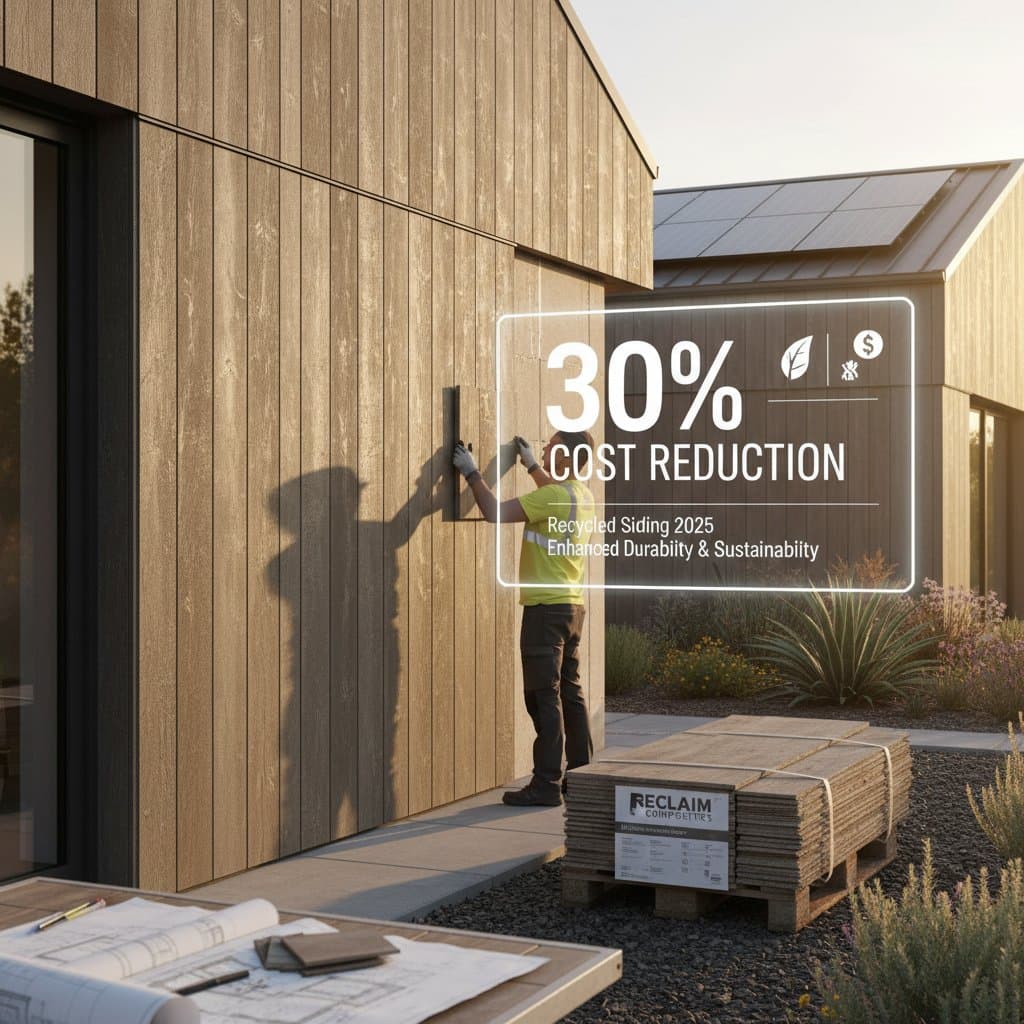
How Recycled Siding Reduces Home Renovation Costs by 30 Percent in 2025
Homeowners face escalating material prices that strain renovation budgets. Recycled siding addresses this challenge by offering a viable alternative that lowers overall project expenses by approximately one third. These savings arise from affordable sourcing of raw materials, elimination of high disposal costs, and enhanced energy efficiency that pays dividends over time. This guide delves into the essentials of recycled siding, its performance attributes, and strategies for effective implementation.
Recycled siding consists of materials repurposed from industrial waste, post-consumer plastics, and reclaimed wood fibers. Manufacturers process these inputs into durable panels that withstand weather exposure without frequent replacements. Unlike traditional options, recycled variants require less energy in production, which translates to lower upfront costs and a smaller environmental footprint. Homeowners select this approach not only for financial benefits but also for its alignment with modern sustainability goals.
Key Benefits of Recycled Siding
The primary advantage lies in cost reduction. Raw materials for recycled siding cost 20 to 40 percent less than virgin composites or natural woods, depending on regional suppliers. Installation labor remains comparable, yet total expenses drop due to streamlined logistics and reduced waste management fees. For a typical 2,000-square-foot home, this equates to savings of $5,000 to $10,000 on exterior cladding alone.
Durability stands out as another strength. Recycled composites resist fading, cracking, and warping better than untreated wood, often backed by 25- to 50-year warranties. Energy efficiency improves through better insulation properties, which lower heating and cooling bills by up to 15 percent annually. Environmentally, these products divert thousands of tons of waste from landfills each year, appealing to eco-conscious buyers.
Sustainability extends beyond initial use. Many brands incorporate recycled content exceeding 80 percent, earning certifications from organizations like the Forest Stewardship Council. This choice supports broader goals of resource conservation while maintaining aesthetic appeal comparable to high-end finishes.
Material Types and Their Applications
Recycled siding appears in diverse forms to suit various architectural styles. Profiles include lap siding for horizontal lines, shake and shingle for textured effects, and panels for seamless coverage. Each type balances aesthetics, weight, and installation ease, allowing customization to specific home designs.
Recycled Wood Composites
These materials combine reclaimed wood fibers with binding agents to create a natural appearance. They offer moderate pricing, typically $3 to $5 per square foot, and come sealed against moisture and insects. Ideal for traditional homes, wood composites provide warmth and texture without the vulnerability of solid timber. Surface treatments enhance color retention, ensuring vibrancy for 20 years or more.
Recycled Plastic Boards
Fully synthetic options excel in moisture-prone areas. Priced at $4 to $6 per square foot, they demand minimal maintenance and resist mold growth entirely. Color options focus on solid tones rather than deep grains, making them suitable for contemporary facades. Their lightweight nature simplifies handling during installation, reducing labor time by 10 to 15 percent.
Mixed Composite Panels
Blends of wood fibers and polymers deliver stability across temperature fluctuations. At $5 to $7 per square foot, they justify the investment through longevity and low expansion rates. These panels work well in mixed climates, maintaining shape from subzero winters to humid summers. Customization allows for integrated insulation layers, further boosting energy savings.
Selecting Styles for Your Home
Choice of style influences both visual impact and functional performance. Limit variations to one texture per building elevation to maintain cohesion. Smooth panels suit areas around windows and doors, while textured boards enhance gable ends for added dimension. Select trim in colors that provide subtle contrast to the primary siding, creating depth without overwhelming the design.
Consider home architecture when deciding:
- For compact ranch styles, opt for horizontal lap profiles paired with recycled polymer trim. This combination streamlines the low-profile silhouette.
- Two-story colonials benefit from composite shakes on upper walls and lap siding below, evoking classic charm with modern resilience.
- Modern infill projects pair smooth recycled panels with metal corner accents, achieving a sleek, urban look.
Test samples under natural light to verify color accuracy. Consult local building codes to ensure compliance with fire ratings and wind resistance standards.
Step-by-Step Project Planning
Effective preparation minimizes surprises and maximizes savings. Follow these structured steps to guide your renovation.
-
Establish Priorities: Identify whether primary focus falls on budget reduction, visual upgrade, or environmental impact. Rank these elements to inform material and style selections.
-
Evaluate Contractors: Choose professionals certified in recycled material handling. Obtain multiple written bids, comparing costs for labor, materials, and contingencies line by line.
-
Examine Physical Samples: Insist on full-size mockups installed on a test wall. Assess texture, weight, and fit in your home's lighting conditions before committing.
-
Site Preparation: Remove existing vegetation, debris, and old siding. Ensure access to electrical power and designated waste collection areas to facilitate smooth workflow.
-
Monitor Progress: Schedule inspections at key stages, including underlayment application, flashing installation, and starter row placement. Address issues promptly to avoid costly rework.
Budget allocation typically divides as follows: 50 percent for materials, 40 percent for labor, and 10 percent for permits and unforeseen adjustments.
Installation Best Practices
Professional installation ensures longevity and warranty validity. Begin with a solid substrate, such as sheathing or furring strips, to promote drainage and ventilation. Apply house wrap or felt underlayment to shield against water infiltration.
Secure siding with corrosion-resistant fasteners spaced 16 inches apart, following manufacturer guidelines for overlap and alignment. Integrate flashing around penetrations like vents and utilities to prevent moisture buildup. For multi-story projects, use scaffolding or lifts to maintain safety and precision.
Post-installation, caulk joints with flexible sealants compatible with the material type. This step seals gaps and enhances weather resistance. Allow 48 hours for settling before applying any finishes or paints.
Common pitfalls include inadequate ventilation, which leads to trapped humidity, and uneven spacing, which affects appearance. Experienced crews mitigate these through pre-installation measurements and level checks.
Maintenance for Enduring Performance
Routine care preserves the investment in recycled siding. Inspect annually for signs of damage, such as loose panels or discoloration. Clean surfaces with mild soap and water using a soft brush to remove dirt without abrasives.
Address issues like insect activity or minor cracks immediately to prevent escalation. Reapply protective coatings every five to seven years, depending on exposure. These practices extend service life beyond warranty periods, amplifying long-term savings.
Realize Sustainable Savings Through Smart Choices
Recycled siding delivers tangible financial and ecological advantages. With meticulous planning and upkeep, homeowners secure durable exteriors that rival traditional materials in quality. Embrace this option to transform your home efficiently in 2025.