
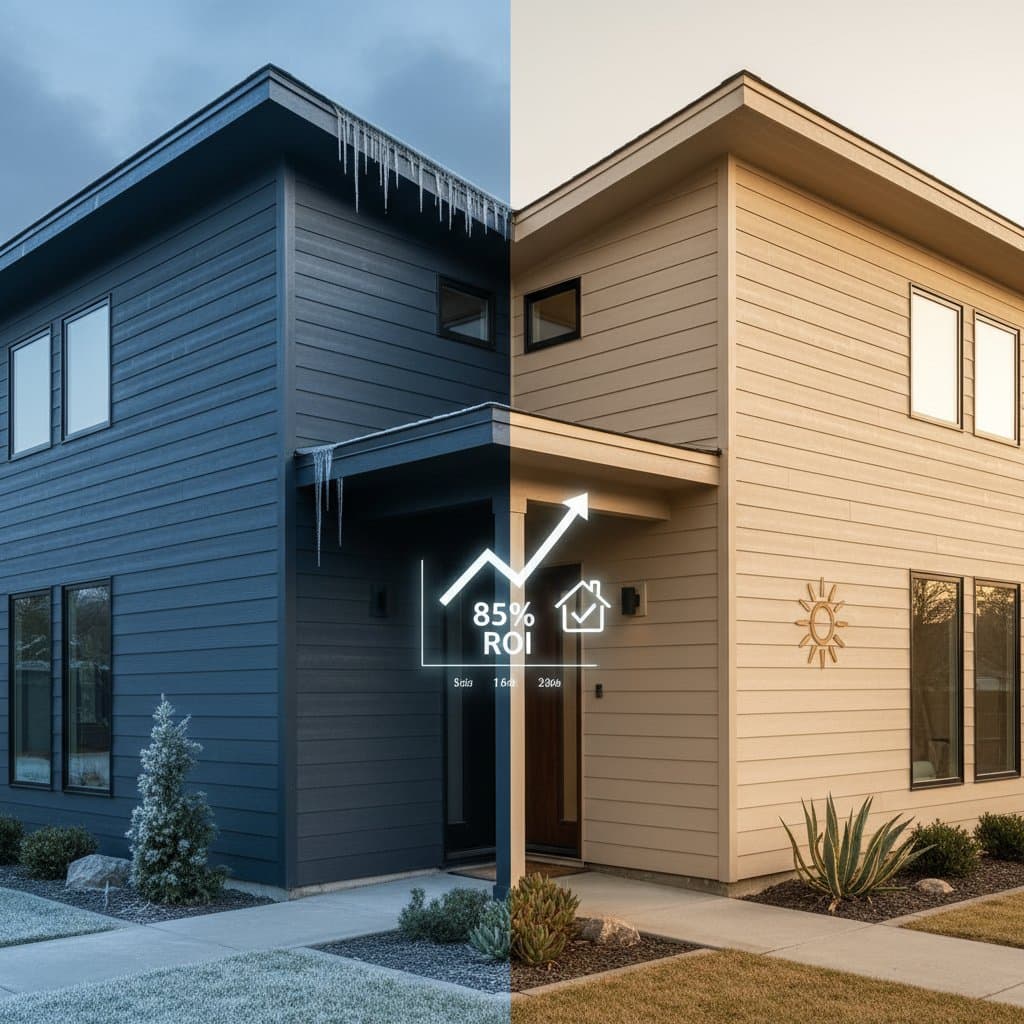
Achieve Maximum ROI with Climate-Appropriate Siding
Homeowners frequently overlook the influence of local climate on siding performance and value. The appropriate material safeguards against environmental stresses, improves aesthetic appeal, elevates energy efficiency, and strengthens resale potential. When siding aligns with regional conditions, it yields a return of 70 to 85 percent of the installation cost. Poor selections, however, lead to increased maintenance demands and reduced longevity, potentially shortening the material's life by up to ten years. This guide examines costs, durability, and performance across climate zones to guide investments that deliver lasting benefits.
Key Factors in Cost and Return on Investment
The selection of siding material determines initial expenses and ongoing performance. Elements such as labor requirements, access to exterior walls, and removal of existing coverings all affect the overall budget. Additional features like trim work, insulation integration, and building height further complicate pricing.
Primary Cost Influences:
- Removal and Disposal: Handling old wood or hazardous materials like asbestos increases expenses by 1 to 3 dollars per square foot.
- Project Complexity: Features such as gables, dormers, or uneven wall surfaces elevate labor costs by 10 to 20 percent.
- Building Height: Structures with multiple stories necessitate scaffolding and extended preparation, raising total costs.
- Trim and Finishing Details: Elements including broader trim boards, corner posts, and ornamental accents contribute an additional 1,000 to 3,000 dollars to the project.
Project Scale Illustrations:
- Compact Undertaking: For 1,200 square feet using vinyl siding, expect costs between 13,000 and 17,000 dollars.
- Moderate Scope: Installing 2,000 square feet of fiber cement siding ranges from 25,000 to 35,000 dollars.
- Extensive Installation: A 3,500 square foot area with engineered wood siding falls between 40,000 and 55,000 dollars.
Return on Investment Projections:
Vinyl and fiber cement options generally recoup 70 to 80 percent of costs upon resale. Engineered wood and insulated steel variants achieve up to 85 percent in demanding environments like cold climates or high-wind areas, where superior resilience builds buyer trust.
Essential Insight:
Align spending levels with local property values and anticipated residency duration. Higher investments prove worthwhile only if the homeowner remains long enough to realize savings from minimal maintenance.
Enhancing Curb Appeal Through Thoughtful Design
Curb appeal arises from harmonious proportions and coherent visual elements. Strategic contrast between siding and trim conveys an impression of meticulous upkeep to potential buyers.
Principles of Massing and Proportion:
On elevated facades, opt for horizontal lap siding to temper perceived height. Vertical board-and-batten styles suit single-story ranch designs by adding vertical interest. Maintain uniform corner trim across all visible elevations for cohesive appearance.
Guidelines for Color Selection:
In humid or coastal regions, neutral cool grays and blues provide a sharp, enduring look. For forested or mountainous locales, warmer taupes and sage greens integrate seamlessly with surroundings. Sample colors under natural daylight conditions, as interior lighting alters perceived undertones.
Focusing on the Entryway:
Apply a richer hue or varied texture around the front door to create a focal point. Incorporate subtle exterior lighting and legible house numbers positioned at eye level. These refinements elevate the overall perception of craftsmanship.
Key Consideration:
Emphasize fade-resistant colors and streamlined profiles. A restrained color scheme enhances photographic appeal and adapts well to evolving design trends.
Recommended Siding Materials by Climate Zone
Regional weather patterns dictate optimal material choices to ensure durability and efficiency. Consider factors like temperature extremes, humidity levels, precipitation, and wind exposure when selecting options.
Hot and Humid Climates (Southeast, Gulf Coast)
High moisture and heat demand materials resistant to warping, mold, and fading. Fiber cement siding excels here, offering low maintenance and fire resistance at a cost of 8 to 12 dollars per square foot installed. Vinyl siding provides an economical alternative at 4 to 7 dollars per square foot, though it requires UV-protective coatings for longevity. Avoid untreated wood, which absorbs moisture and deteriorates rapidly. Proper ventilation during installation prevents trapped humidity, extending lifespan to 40 years or more.
Cold and Dry Climates (Northern Plains, Mountain West)
Freezing temperatures and low humidity favor insulated materials that minimize thermal bridging. Insulated steel siding performs exceptionally, with embedded foam reducing energy loss and achieving R-values up to 4 per inch; costs range from 10 to 15 dollars per square foot. Engineered wood products, treated for moisture resistance, add warmth and texture while returning high ROI in resale markets valuing energy savings. Steer clear of non-insulated vinyl, which can crack under impact from ice or hail.
Coastal and High-Wind Areas (Atlantic, Pacific Shores)
Salt spray, storms, and gusts require corrosion-resistant, impact-durable options. Aluminum or steel siding with protective finishes withstands these conditions, costing 7 to 11 dollars per square foot and lasting 50 years with minimal care. Fiber cement also thrives, resisting wind-driven rain effectively. Installation must include reinforced fasteners and sealed joints to prevent water infiltration during hurricanes.
Temperate and Variable Climates (Midwest, Northeast)
Fluctuating seasons call for versatile, all-weather materials. A blend of vinyl for affordability (5 to 8 dollars per square foot) and fiber cement for premium durability suits these zones. Engineered wood offers aesthetic flexibility but needs regular sealing against freeze-thaw cycles. Focus on materials with expansion joints to accommodate temperature swings, ensuring joints remain flexible over time.
Selection Tip:
Consult local building codes for wind and fire ratings. Pair siding with appropriate underlayment, such as house wrap, to enhance overall system performance across zones.
Essential Maintenance for Longevity
Even robust siding benefits from routine attention to preserve its condition. Proactive care extends service life and upholds warranty terms.
Routine Maintenance Schedule:
- Yearly Tasks: Clean surfaces using mild detergent and a soft-bristle brush. For metal or vinyl, employ low-pressure rinsing to remove debris without damage.
- Biennial or Triennial Checks: Examine sealant lines for cracks and refresh paint on exposed fiber cement edges.
- Five-Year Intervals: Survey for insect activity near foundations and clear vegetation from siding bases.
- Post-Storm Evaluations: Review corners, flashing, and seams for shifts or openings that could allow moisture entry.
Preventive Measures:
Maintain at least six inches of clearance between siding and plants to deter moisture buildup. Apply fresh coats to wood elements before protective finishes erode. Swiftly replace compromised sections to safeguard the building envelope from water damage.
Understanding Warranties:
Standard coverage addresses manufacturing flaws but excludes issues from improper installation or lack of care. Retain documentation of purchases and inspections to support any claims.
Practical Advice:
Regular minor upkeep proves far more economical than comprehensive repairs. Approach siding maintenance similarly to roof inspections: frequent assessments avert costly interventions.
Selecting and Collaborating with Contractors
A competent installation team safeguards the project's success. Solicit bids that specify identical materials, scope, and quality standards for accurate comparisons.
Evaluation Criteria:
Verify contractor licensing, insurance, and references from recent local projects. Request detailed proposals outlining timelines, cleanup protocols, and contingency plans for weather delays. Favor teams experienced in your climate zone to ensure adherence to regional best practices.
Bidding Process:
Obtain at least three quotes, reviewing them for line-item breakdowns. Negotiate inclusions like warranties or minor adjustments without compromising quality. Sign contracts that include milestones for progress payments.
Oversight Tips:
Visit the site periodically to confirm proper techniques, such as alignment of panels and secure fastening. Address concerns promptly to maintain schedule and budget.
Realizing Long-Term Benefits from Your Siding Investment
Once installed, climate-matched siding transforms daily living and future opportunities. It lowers energy bills through better insulation, simplifies exterior chores, and elevates property appeal for swift, profitable sales.
Homeowners report noticeable reductions in heating and cooling costs, often by 10 to 20 percent in extreme zones. The enhanced durability minimizes disruptions, allowing focus on interior enjoyment rather than repairs. At resale, documented performance and upkeep records underscore the investment's value, attracting discerning buyers.
Final Recommendation:
Integrate siding selection into broader home improvement plans. This strategic approach not only protects assets but also builds equity through enduring, climate-resilient design.