
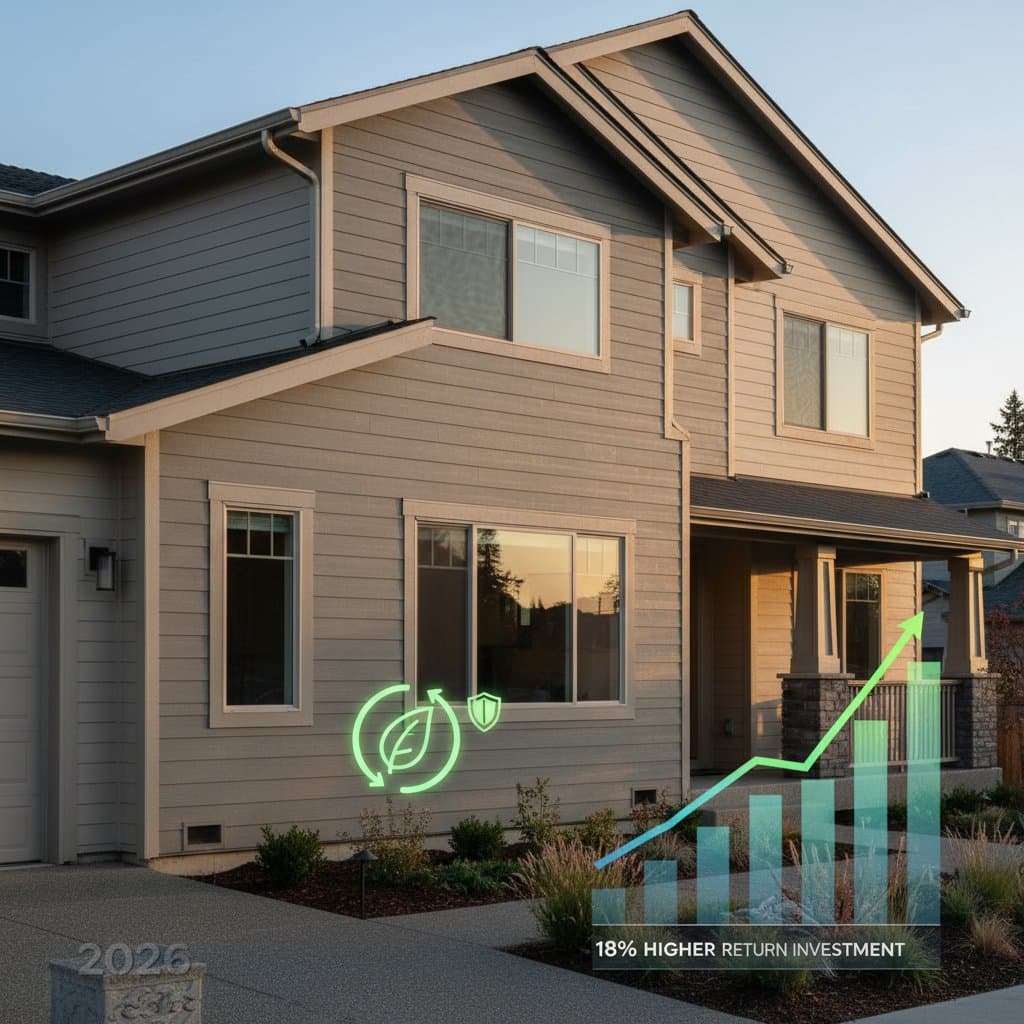
Why Recycled Composite Siding Delivers 18 Percent Higher ROI Than Vinyl
Recycled composite siding surpasses vinyl in return on investment by 18 percent, offering homeowners a durable and sustainable alternative for exterior upgrades. This material, crafted from reclaimed wood fibers and recycled plastics, provides enhanced longevity, superior insulation, and increased curb appeal that vinyl often cannot match. As environmental concerns grow, more property owners select this option to achieve both financial and ecological benefits over the long term.
Project Overview at a Glance
- Scope: Complete exterior siding replacement with recycled composite panels on a standard single-family home.
- Cost Range: Installation typically costs between $8 and $15 per square foot, depending on profile and regional labor rates.
- Timeline: Expect the project to take one to two weeks, influenced by home size and weather conditions.
- Installation Complexity: Moderate level; professional contractors ensure proper alignment and weatherproofing.
- ROI Advantage: This siding yields approximately 18 percent greater return compared to traditional vinyl, driven by reduced upkeep and higher property values.
The shift toward recycled composite siding reflects a broader trend in home improvement. Unlike vinyl, which may warp or fade after a decade, this material maintains its integrity for 30 to 50 years. Homeowners benefit from fewer interruptions in daily life and a facade that enhances the home's market position.
Exploring Styles and Material Options
Recycled composite siding offers versatile profiles that replicate the aesthetics of wood or fiber cement while delivering modern performance. Select a style that aligns with your home's architecture to maximize visual harmony and value.
Available Profiles
- Lap Siding: Horizontal planks provide a timeless look ideal for suburban ranch or mid-century homes, creating clean lines that emphasize horizontal massing.
- Board and Batten: Vertical elements add texture and height, perfect for contemporary farmhouse designs or structures with rustic influences.
- Shingles and Shakes: Imitate natural cedar for a layered, dimensional effect suited to coastal bungalows or traditional New England styles.
- Vertical Panels: Large, seamless sheets work well on sleek modern exteriors, minimizing joints for a minimalist appearance.
Core Material Breakdown
These sidings combine post-consumer wood fibers, such as sawdust from manufacturing, with recycled polyethylene plastics. The blend undergoes compression molding to form rigid boards that withstand moisture, insects, and temperature fluctuations without expanding or contracting excessively.
Key Advantages
- Exceptional resistance to impacts, hail, and everyday wear, minimizing the need for frequent inspections.
- Virtually maintenance-free; the factory-applied finish eliminates painting or staining for up to 50 years.
- Integrated color throughout the material prevents surface fading from sun exposure.
- Sustainable production diverts thousands of tons of waste from landfills annually, appealing to eco-conscious buyers.
Potential Drawbacks
- Greater weight demands reinforced framing and specialized fasteners during installation.
- Upfront expenses exceed vinyl by 20 to 30 percent, though savings accrue over time.
- End-of-life recycling options remain limited, though manufacturers increasingly offer take-back programs.
Design Integration Tips
Layer different profiles for added interest, such as lap siding on lower levels paired with shakes in gable ends. Choose trim colors that complement the siding's palette, like soft whites against earth tones, to unify the exterior. For variety:
- Compact Ranch Home: Opt for smooth lap in a warm taupe with crisp white accents to broaden the visual footprint.
- Classic Colonial: Install horizontal boards on the base and textured shingles above for balanced proportions.
- Contemporary Structure: Use expansive panels in matte black to highlight geometric lines and reduce maintenance points.
Consider how sunlight affects color choices; darker shades absorb heat, while lighter ones reflect it for cooler interiors.
Preparing for Installation: A Detailed Guide
Successful projects begin with thorough preparation to avoid delays and ensure quality results. Follow these steps to streamline the process and protect your investment.
- Establish Project Objectives: Assess which areas require siding, such as full walls or accents like soffits. Factor in your budget and desired aesthetic to guide material selection.
- Vet and Select Contractors: Seek professionals certified in composite installations. Request at least three bids that detail labor, materials, and timelines; verify references from similar jobs.
- Evaluate Product Samples: Examine swatches in daylight to gauge texture and color fidelity. Test for weight and flexibility to confirm suitability for your climate.
- Prepare the Site: Remove obstacles like vehicles or potted plants from access paths. Protect nearby features, such as windows or decks, with tarps against debris.
- Anticipate Disruptions: Schedule around daily routines, as work involves hammering, sawing, and material handling that may limit yard use.
- Monitor Installation Progress: Check the foundation, including starter courses, nail patterns every 16 inches, and proper flashing around openings to prevent water intrusion.
- Conduct Final Inspection: Review seams for even caulking, ensure all edges are sealed, and address any touch-up painting. Obtain warranties and maintenance guides before final payment.
Engage your contractor early on permits and HOA approvals if applicable. Document the process with photos to support future claims or resale discussions.
Maximizing Durability and Financial Returns
The 18 percent ROI edge stems from recycled composite siding's resilience and efficiency. Repairs occur infrequently, often limited to occasional cleaning with mild soap and water. Pairing it with rigid foam insulation enhances thermal performance, potentially lowering heating and cooling bills by 10 to 15 percent.
Resale advantages shine through in appraisals, where sustainable features command premiums in competitive markets. Maintain records of installation dates, warranties, and upkeep to demonstrate the siding's condition. Regular inspections, such as annual checks for loose fasteners, preserve appearance and functionality.
Investors who prioritize this material position their properties for enduring value. The combination of aesthetic appeal, environmental responsibility, and cost savings creates a facade that not only withstands the elements but also elevates the home's overall worth.