
Why Recycled Composite Siding Outperforms Vinyl in ROI by 18 Percent
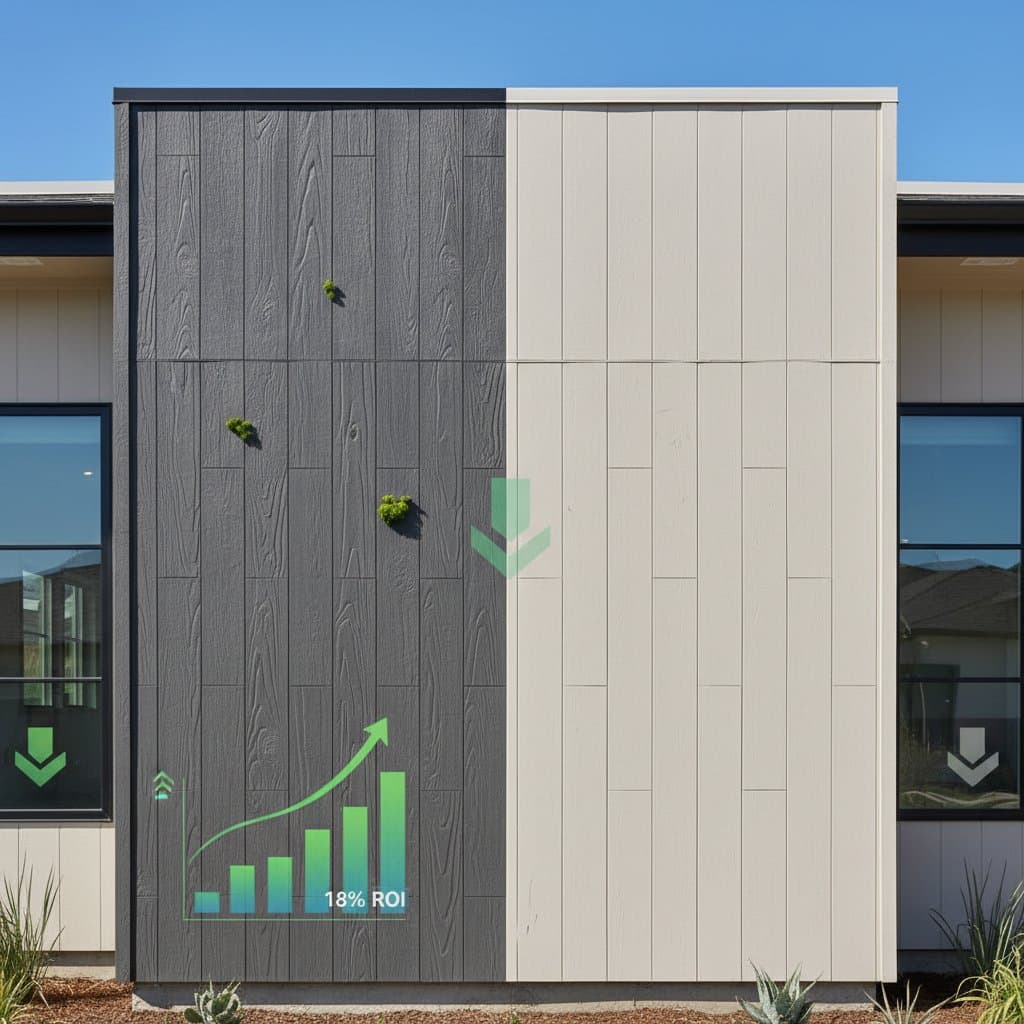
Homeowners evaluating exterior siding options typically weigh initial expenses against potential resale benefits. Vinyl siding has traditionally appealed to those prioritizing affordability. However, recycled composite siding, crafted from reclaimed wood fibers and plastics, demonstrates superior performance over the long term. This advantage results in an 18 percent higher return on investment, driven by enhanced durability, reduced maintenance needs, and growing buyer preference for eco-conscious materials.
The composition of recycled composite siding contributes to its resilience. Unlike vinyl, which can degrade under extreme weather, this material withstands impacts, UV radiation, and temperature fluctuations without cracking or fading. Studies from building industry experts indicate that such siding retains structural integrity for decades, minimizing replacement costs. Consequently, the total ownership expense proves lower, elevating the overall financial return.
Sustainability plays a pivotal role in this ROI differential. Recycled composite diverts waste from landfills, appealing to environmentally aware purchasers. Real estate trends show homes with green features command premium prices at sale. This factor alone can add thousands to resale value, further widening the gap over conventional vinyl installations.
Exploring Styles and Material Options
Recycled composite siding mirrors the aesthetic versatility of vinyl, available in profiles such as lap, board-and-batten, and shingle designs. Selecting the appropriate style depends on architectural context and personal taste. Each option enhances different home facades effectively.
Lap siding provides a classic horizontal plank look, suitable for traditional suburban residences. It installs seamlessly over existing structures, offering broad coverage with minimal seams. Board-and-batten profiles introduce vertical emphasis, ideal for rustic farmhouse aesthetics or contemporary elevations seeking added height illusion. Shingle panels deliver textured variety, perfect for gable ends or focal walls, often combined with lap siding for layered visual interest.
When comparing materials, vinyl stands out for its light weight and economical price point. Yet, it remains susceptible to environmental stressors like intense sunlight and hail, leading to premature wear. Recycled composite siding, by contrast, boasts greater density and stability. It resists denting, maintains color vibrancy, and adheres to paint finishes reliably, ensuring a polished appearance year after year.
Homeowners may blend materials strategically to optimize budgets. For instance, apply recycled composite to high-visibility front elevations for premium impact, while using vinyl on rear or side areas. Consistency in trim elements prevents visual discord. Opt for fiber cement or complementary composite trim to accommodate thermal expansion rates. Steer clear of soft PVC trim pairings, as differing expansion properties risk joint separation over time.
Preparing for a Successful Siding Installation
Thorough preparation ensures a smooth siding project and maximizes long-term benefits. Begin by clarifying project objectives, such as whether the work involves full cladding replacement or complementary upgrades like insulation enhancements.
Next, solicit bids from multiple qualified contractors. Aim for at least three detailed proposals that outline specific material brands, chosen profiles, and applied finish systems. This comparison reveals variances in quality and pricing.
Examine physical samples under natural lighting to assess color accuracy and texture. Request on-site mockups if possible, allowing evaluation of how the siding integrates with existing architecture.
Site readiness prevents delays. Remove obstructing landscaping, locate underground utilities like irrigation lines, and arrange electrical access for power tools.
During installation, oversee key stages. Verify that courses align straight and joints seal tightly on each wall section. Promptly resolve any discrepancies before applying caulk or final coatings.
Conclude with a comprehensive inspection. Capture photographs of completed surfaces to support warranty claims and track maintenance over time.
Realizing Long-Term Value from Recycled Composite Siding
After installation, recycled composite siding continues to deliver tangible advantages. Its surface accepts and retains paint applications two to three times longer than vinyl, reducing upkeep frequency. The material's resistance to warping and moisture preserves structural form, even in harsh climates.
Enhanced curb appeal stems from this enduring quality. Prospective buyers perceive sustainable choices as indicators of meticulous property stewardship, often resulting in competitive bidding at resale. Industry data supports this, with eco-friendly upgrades correlating to faster sales and elevated offers.
Financially, the upfront investment in recycled composite pays dividends through curtailed repair and repainting intervals. Over a 20-year horizon, these savings compound, solidifying the 18 percent ROI superiority over vinyl. Homeowners embracing this option secure not only aesthetic elevation but also prudent economic foresight.