
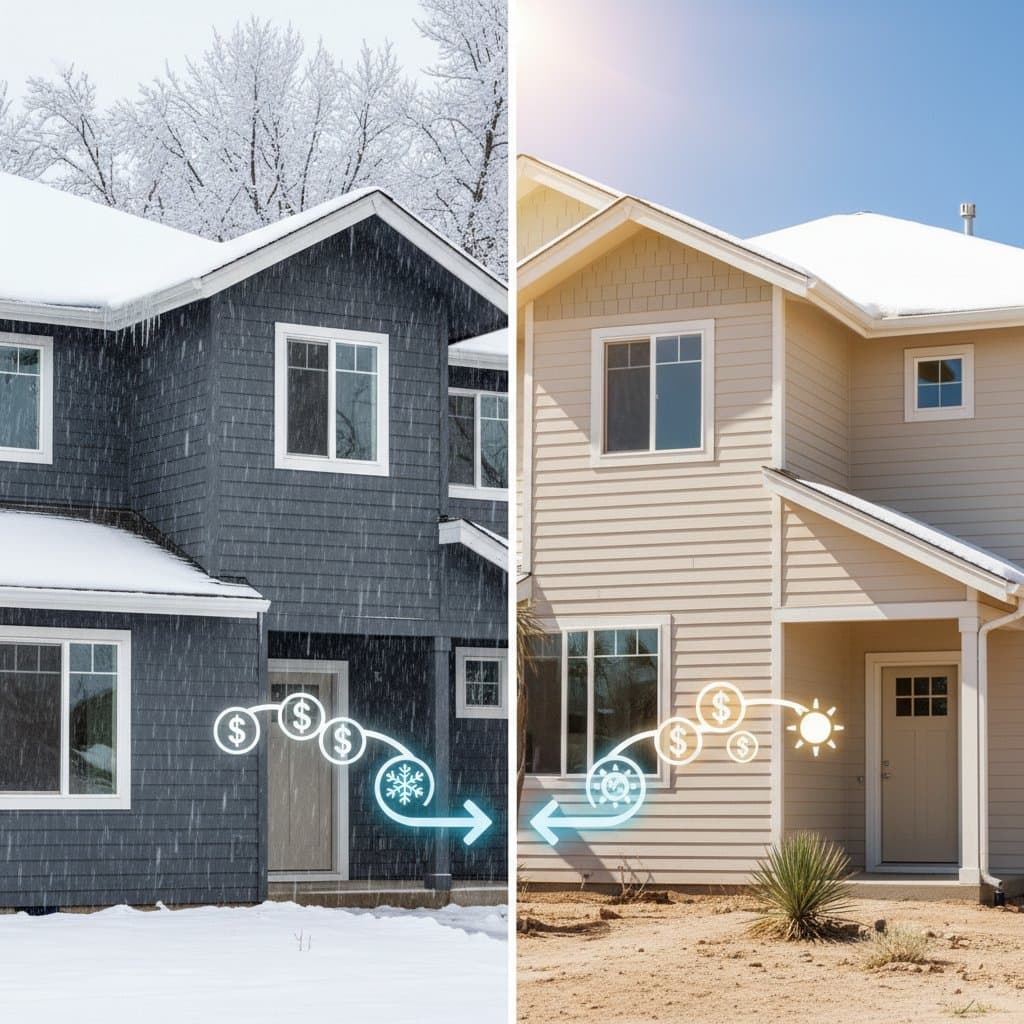
Understanding Siding Performance Across Climate Zones
Regional weather patterns significantly influence siding choices. A material that endures for decades in arid interiors may deteriorate quickly in humid coastal areas. Fiber cement and vinyl siding each offer distinct advantages in cost, installation, and resilience. This overview examines their performance in various zones, installation pricing, and strategies for long-term value.
Exploring Styles and Material Choices
Common Siding Profiles
Siding profiles determine the visual and functional character of a home's exterior.
- Lap siding: Overlapping horizontal planks that create a classic, streamlined appearance ideal for traditional architecture.
- Board and batten: Vertical boards paired with narrow covers over joints, suitable for rustic farmhouse aesthetics or vertical wall applications.
- Shingles or shakes: Imitate natural wood for textured effects, often used in coastal or vacation-style homes.
- Panels: Broad sheets that facilitate quick coverage in contemporary designs emphasizing minimal maintenance.
Vinyl Siding Characteristics
Vinyl siding provides an accessible entry point for exterior updates.
Advantages: Its light weight simplifies handling during installation, and the initial purchase price remains budget-friendly. No painting proves necessary, while an extensive palette of colors allows customization without added labor.
Disadvantages: Extreme cold can cause cracking, and proximity to heat sources may lead to warping. Prolonged exposure to strong ultraviolet rays often results in color fading.
Optimal Climate Zones: Vinyl performs reliably in temperate to cooler areas with consistent humidity levels and minimal wildfire threats. In such environments, it maintains structural integrity with minimal intervention.
Fiber Cement Siding Characteristics
Fiber cement siding delivers robust protection against environmental challenges.
Advantages: This material resists combustion, repels insects, and prevents rot. Paint adheres durably, extending intervals between recoating.
Disadvantages: Greater weight demands more robust installation support, elevating labor expenses. Pre-finishing or painting becomes essential, and regular caulking addresses potential gaps.
Optimal Climate Zones: Fiber cement excels in moist coastal regions, high-humidity tropics, or wildfire-vulnerable landscapes. It withstands thermal expansion and moisture without compromising stability.
Combining Materials for Cost Efficiency
Homeowners frequently integrate both options to optimize expenses and protection. Install fiber cement on prominent front facades for premium durability, then use vinyl on less visible sides and rear sections to control overall costs. Consistent trim colors and aligned joint patterns ensure a cohesive look across the structure.
Essential Trim and Accent Details
Proper trim enhances both aesthetics and weatherproofing. Select trim thicker than the siding to produce defined shadow lines. With vinyl, incorporate compatible accessories that accommodate thermal movement through built-in gaps. For fiber cement, pair with sealed wood or composite trim featuring backer flashing for moisture diversion. Align soffit vents, corner boards, and window surrounds with siding lines to avoid visual disruptions.
Zone-Specific Installation Examples
Tailor selections to local conditions for maximum effectiveness.
- Cold Northern Regions: Opt for vinyl lap siding backed with foam insulation to boost thermal performance and reduce heating demands.
- Humid Coastal Areas: Choose fiber cement planks with factory-applied finishes and corrosion-resistant stainless steel fasteners to combat salt air.
- High Fire-Risk Zones: Specify non-combustible fiber cement panels alongside metal trim to meet safety standards.
- Dry Inland Regions: Both materials suit these conditions, though selecting lighter vinyl shades minimizes interior heat gain.
Preparing for Your Siding Project
Thorough preparation ensures a smooth installation and optimal results.
1. Establish Project Objectives
Identify priorities early to guide material selection. Vinyl suits projects focused on minimal initial outlay, while fiber cement supports goals of enhanced fire safety or increased property value. Determine if the scope includes trim, soffits, and fascia boards.
2. Gather and Evaluate Contractor Proposals
Solicit detailed bids from no fewer than three qualified professionals. Each proposal must specify the siding brand, plank thickness, finish type, fastening method, and waste disposal plan. Verify contractor insurance coverage and obtain references from recent local projects. Confirm crew certification for the selected material, as correct techniques preserve warranty validity.
3. Review Samples and Mockups
Request tangible samples rather than printed catalogs. Position them on your home under natural light to assess true color tones. Consider a contractor-provided mockup section demonstrating trim integration and joint alignment. Final approval of this test area minimizes costly adjustments during full-scale work.
4. Prepare the Site and Manage Workflow
Establish a clear 10-foot buffer around the house for equipment and material staging. Secure indoor items near exterior walls against vibration from removal activities. Anticipate noise and dust throughout the process. Installation typically proceeds in phases: old siding removal, sheathing inspection and repair, weather barrier application, siding attachment, trim finishing, and site cleanup. Ensure waste bins feature covers and rest on stable surfaces to protect landscaping.
5. Conduct Milestone Inspections
Monitor quality through systematic checks at key stages.
- Confirm weather barrier integrity with full taping.
- Verify flashing placement around all openings.
- Ensure fasteners sit flush without excessive force.
- Check expansion joints for proper alignment and sealing.
- Inspect panels for straightness and uniform spacing.
- Review trim for pre-exposure painting or sealing.
Capture photographic evidence at each step. These documents prove invaluable for future warranty discussions.
Ongoing Maintenance Practices
Regular care extends siding lifespan and preserves appearance.
Spring Routine
- Clean surfaces using a gentle detergent solution and soft brush.
- Evaluate caulk lines and apply fresh coats to fiber cement if paint shows wear.
- Measure distances from foundation to siding and maintain adequate clearance from plants.
Fall Routine
- Scan fasteners for signs of corrosion or detachment.
- Clear gutters and downspouts to direct water away from walls.
- Prune overhanging branches to prevent abrasion.
Maximizing Long-Term Benefits from Your Siding Investment
A well-chosen siding system not only shields your home but also enhances efficiency and curb appeal. By aligning material selection with climate realities, homeowners achieve lower lifetime costs through reduced repairs and energy use. Regular upkeep reinforces these gains, ensuring the exterior remains a source of pride and protection for years ahead.