
Siding ROI in 2026: Selecting Materials for Optimal Resale Returns
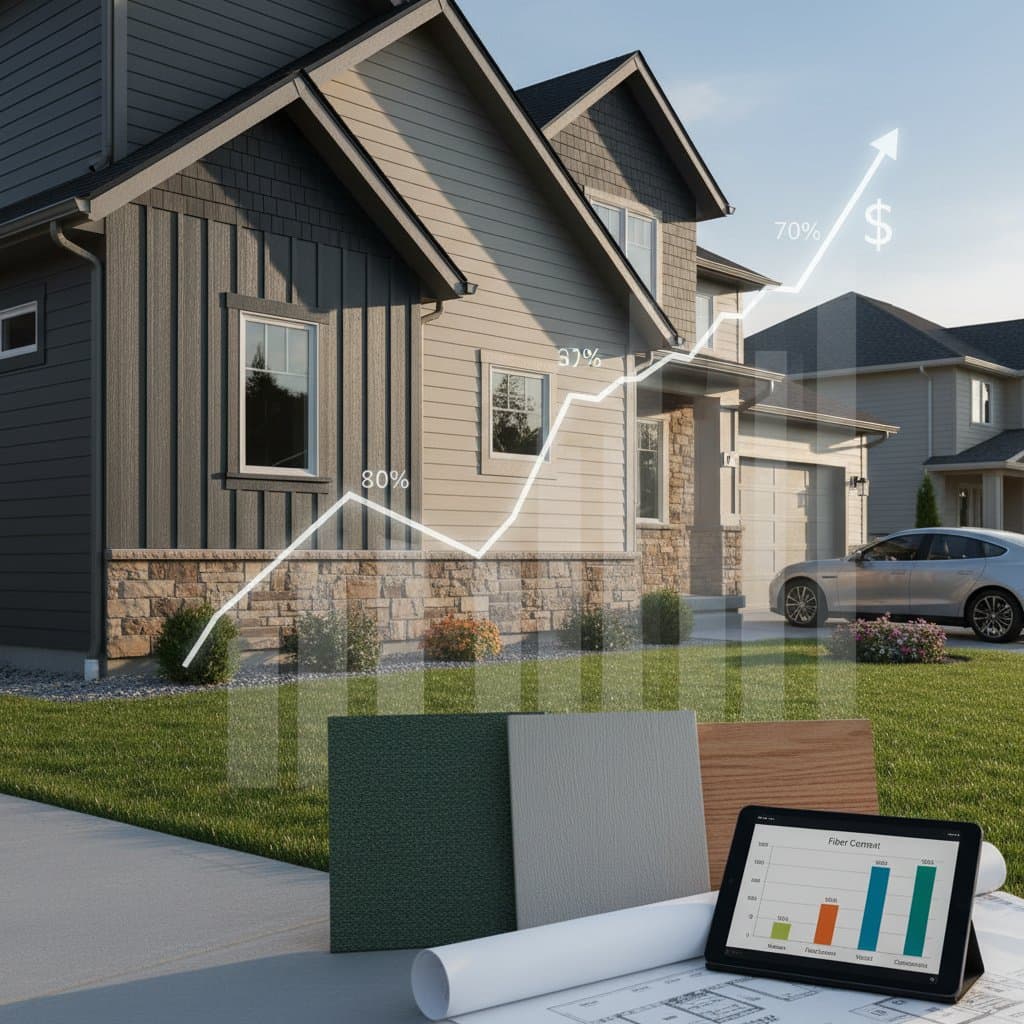
Homeowners often overlook the impact of exterior updates on property value, yet siding replacement stands out as a high-yield improvement. This project enhances energy efficiency, boosts curb appeal, and reduces ongoing maintenance expenses. National trends indicate that well-chosen siding materials recoup 70 to 90 percent of costs at resale, outperforming many interior renovations. Factors such as local market conditions, material durability, and installation precision all contribute to these outcomes. By examining performance data and practical considerations, individuals can align choices with long-term financial goals.
Quality siding not only protects the structure but also signals to potential buyers a commitment to upkeep. In competitive housing markets, a refreshed exterior can differentiate a property and accelerate sales. Data from recent remodeling reports underscores this: exterior projects like siding yield consistent returns across regions, with variations tied to material selection and execution. Homeowners who prioritize informed decisions often see amplified benefits in both daily living and eventual resale.
Evaluating Siding Materials and Profiles
Selecting the appropriate siding involves balancing aesthetics, longevity, and budget. Each material offers distinct advantages in durability, maintenance, and resistance to environmental challenges. The table below summarizes key attributes based on industry benchmarks for 2026 projections.
| Material Type | Durability (Years) | Maintenance Level | Moisture/Fire Resistance | Average ROI | Key Pros | Key Cons |
|---|---|---|---|---|---|---|
| Fiber Cement | 40 to 50 | Low | High / Moderate | 85% | Crisp lines, paintable, fire safe | Heavy, higher install cost |
| Vinyl | 25 to 35 | Very Low | Moderate / Low | 78% | Affordable, many colors | Brittle in cold, less upscale |
| Engineered Wood | 30 to 40 | Moderate | Moderate / Moderate | 80% | Warm appearance, easier install | Needs repainting over time |
| Natural Wood | 20 to 30 | High | Low / Low | 65% | Classic look, renewable | Ongoing sealing, pest risk |
| Metal (Steel or Aluminum) | 40+ | Low | High / High | 82% | Durable, modern aesthetic | Limited color variety, dent risk |
Fiber cement excels in harsh climates due to its resistance to warping and insects. Homeowners appreciate its ability to mimic wood grain while requiring minimal upkeep beyond occasional cleaning. Vinyl, on the other hand, appeals to those on tighter budgets, offering a wide array of pre-colored options that eliminate painting needs. However, its performance dips in extreme temperatures, potentially leading to cracks over time.
Engineered wood provides a natural texture without the vulnerabilities of solid timber, making it suitable for mid-range investments. Metal sidings, particularly steel, withstand impacts and weather extremes, ideal for coastal or windy areas. Natural wood delivers timeless elegance but demands vigilant care to prevent rot or termite damage. Profiles such as lap siding or board-and-batten influence visual appeal; smoother finishes often convey modernity, while textured ones add character.
Combining materials requires restraint to maintain cohesion. Limit accents to specific zones like soffits or dormers to avoid a patchwork appearance. Consistent color palettes and trim styles ensure seamless integration, enhancing overall perceived value. Buyers favor unified designs that highlight architectural strengths rather than distracting from them.
Key Insight: Establish a primary material for the main facade to promote harmony, reserving accents for focal points that complement the home's style.
Ensuring Installation Excellence and Mitigating Risks
The longevity of siding hinges on the underlying preparation and execution. Inadequate moisture management can lead to costly repairs, undermining resale potential. Essential elements include robust house wrap, precise flashing around openings, and adequate airflow to deter condensation.
Common vulnerabilities arise at junctions: windowsills prone to leaks, roof-to-wall transitions susceptible to ice dams, and ledger board connections at decks that invite water entry. Addressing these proactively preserves structural integrity and avoids mold issues that deter buyers.
Prior to commencing the project, verify that the contractor adheres to these protocols:
- Conduct a thorough assessment of existing sheathing for deterioration or pest infestation.
- Apply compliant weather-resistive barriers over the entire surface.
- Secure flashing at all edges, seams, and penetrations to direct water away.
- Implement protective measures for surrounding vegetation and hardscapes during removal.
- Coordinate logistics to minimize disruptions, including clear pathways for materials and waste.
Professional teams document each step, providing records that reassure future owners. Subpar work often surfaces in inspections, eroding trust and value. Opt for contractors certified in local building codes to guarantee compliance and warranty validity.
Key Insight: An orderly worksite reflects meticulous planning, fostering confidence in the project's durability and reducing post-installation conflicts.
Navigating Contractor Selection and Detailed Bidding
Choosing a reliable professional separates successful outcomes from disappointments. Begin by soliciting bids from at least three vetted firms, each with verifiable references and insurance coverage. Evaluate portfolios for similar projects to gauge expertise in your siding type.
A comprehensive bid must detail:
- Specific material specifications, including profile dimensions and brand standards.
- Integration of insulation layers or vapor barriers for enhanced efficiency.
- Types and sources of trim, soffits, and flashing components.
- Application methods for paints, stains, or factory finishes.
- Protocols for waste removal, recycling, and restoration of the site.
- Allocation of permitting, scheduling inspections, and final walkthroughs.
Compare not just prices but also timelines and contingencies for weather delays. Hidden costs, such as substrate repairs, can inflate budgets unexpectedly. Negotiate inclusions like touch-up guarantees to safeguard the investment.
Reputable contractors provide transparent breakdowns, enabling informed comparisons. Avoid low bids that skim on essentials, as they frequently lead to callbacks and diminished returns.
Maximizing Value Through Daily Use and Upkeep
Once installed, siding contributes to enjoyable homeownership beyond resale. Energy-efficient options like insulated vinyl or fiber cement lower utility bills by stabilizing indoor temperatures. Aesthetically pleasing choices elevate outdoor spaces, encouraging gatherings and personal satisfaction.
Routine maintenance preserves appearance and function. Annual inspections identify minor issues early, such as loose panels or fading paint. Gentle washing with mild solutions removes dirt without damaging surfaces. For wood-based materials, schedule professional sealing every few years to combat weathering.
In regions with heavy pollen or pollution, protective coatings extend vibrancy. Smart habits, like trimming overhanging branches, prevent moisture traps and pest harbors. These practices not only sustain ROI but also appeal to eco-conscious buyers valuing sustainability.
Fiber cement and metal options demand the least intervention, freeing time for other priorities. Vinyl's fade-resistant properties simplify care, while engineered wood offers a balance of beauty and manageability. Natural selections suit enthusiasts willing to invest in preservation for authentic charm.
Securing Lasting Returns on Your Siding Investment
Strategic siding replacement transforms a home's exterior into an asset that pays dividends. Materials like fiber cement and engineered wood build buyer trust through proven resilience, while vinyl delivers accessible gains for value-driven upgrades. Prioritizing quality installation and ongoing care amplifies these advantages, ensuring the project withstands time and market shifts.
Homeowners who integrate energy savings, aesthetic harmony, and practical durability position their property for premium offers. This approach not only recoups costs effectively but also enriches living experiences. Consult local experts to tailor selections to your climate and style, unlocking the full potential of this essential upgrade.