
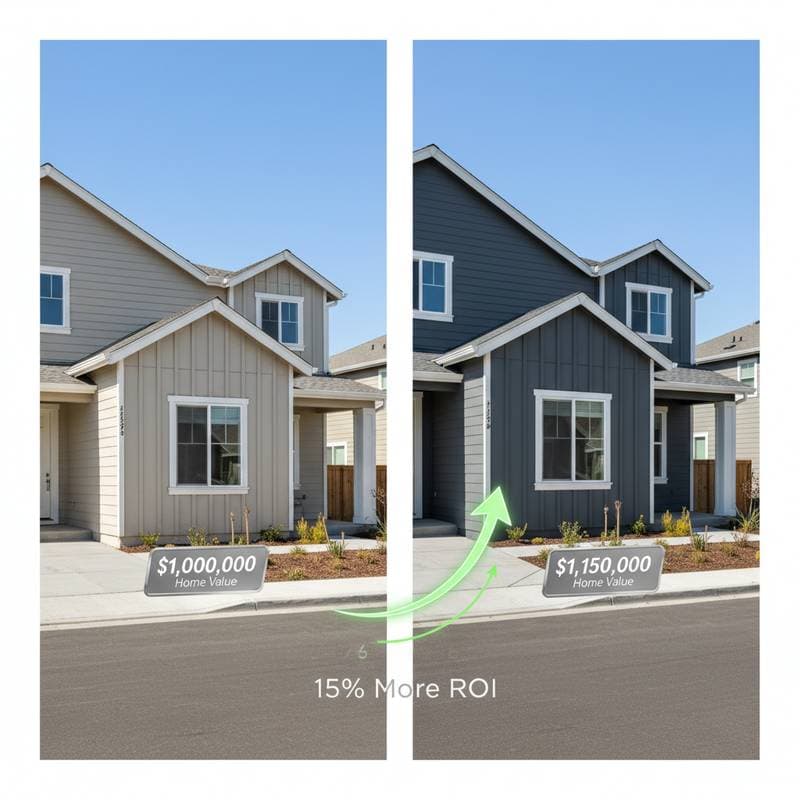
Fiber Cement Versus Vinyl: A Resale Value Comparison
Homeowners evaluating fiber cement and vinyl siding typically weigh initial expenses, structural strength, and visual impact. The key consideration lies in how these options influence resale prices and overall ownership expenses. Although both materials shield homes and elevate exterior aesthetics, they diverge in installation requirements, upkeep needs, and buyer perceptions of quality. This analysis examines the economic and design differences to guide informed decisions based on budget constraints and community norms.
Factors Influencing Costs, Returns, and Overall Value
Resale potential hinges on market dynamics, buyer impressions, and comprehensive ownership costs. Vinyl siding presents a more accessible starting price point, yet fiber cement fosters greater trust among prospective buyers and yields stronger results during property assessments.
Projected Return on Investment Ranges:
- Vinyl siding installation: 60 to 70 percent recovery
- Fiber cement siding installation: 70 to 85 percent recovery
These figures represent national benchmarks derived from sector analyses of costs recovered upon sale. Regional weather patterns, workforce expenses, and local buyer preferences may alter outcomes by up to 10 percent.
Primary Cost Components:
- Demolition and waste removal: Stripping old siding incurs $1 to $3 per square foot.
- Project intricacy: Elements such as gables, dormers, and elevated surfaces extend labor duration.
- Additional features: Treatments for windows and corners can increase totals by 10 to 20 percent.
- Site challenges: Confined spaces or sloped terrain demand extra equipment and time.
Illustrative Project Costs:
- Compact one-level residence: $8,000 for vinyl, $14,000 for fiber cement
- Average two-level dwelling: $13,000 for vinyl, $22,000 for fiber cement
- Expansive custom property: $20,000 for vinyl, $32,000 for fiber cement
Vinyl siding achieves rapid visual upgrades at a reduced initial outlay. Fiber cement demands higher investment yet frequently recoups a larger share at sale, particularly in established or upscale areas.
Enhancing Curb Appeal Through Strategic Design
Prospective buyers favor residences that convey stability, harmony, and meticulous craftsmanship. The selected siding material shapes the home's silhouette, tonal variations, and focal points.
Structural Balance and Scale: Maintain uniform horizontal alignments across surfaces. Incorporate trim around corners and openings to accentuate architectural forms. Steer clear of segmented panels that disrupt visual continuity.
Color Selection and Finish Quality:
- Fiber cement supports richer, subdued tones that maintain vibrancy in images.
- Vinyl finishes project vivid hues yet may lose intensity under prolonged sun exposure.
- Opt for subdued palettes accented by a single complementary shade to appeal to diverse tastes.
Emphasizing the Entrance:
Position a prominent doorway complemented by matching hardware, illumination, and numbering to demonstrate attentive stewardship. Both materials gain from precise edging and seamless alignments visible from afar.
Illumination Techniques: Install sconces that accentuate surface textures without creating stark contrasts. Fiber cement's inherent grain responds effectively to angled light, enhancing depth in marketing photographs and on-site views.
Consistent design elements and refined details elevate buyer valuations beyond fleeting styles. Fiber cement provides a subtle advantage in attractiveness scores due to its layered appearance.
Ensuring Durability Through Maintenance Practices
Regular attention sustains both material integrity and property worth.
Recommended Cleaning Approaches:
- For vinyl: Perform an annual wash using a gentle brush and neutral soap solution. Limit pressure washing to under 1,500 psi to prevent surface damage.
- For fiber cement: Conduct yearly rinses, refresh sealant around joints, and apply fresh coats every 10 to 15 years based on existing protection levels.
Scheduled Assessments:
- Review sealant and joint integrity biannually, ideally in spring and fall.
- Examine panel security and hardware after severe weather events.
- Confirm that drainage systems route water clear of the foundation.
Preventive Measures:
- Swap out compromised sections immediately to block water entry.
- Maintain a 6-inch buffer between foliage and exterior walls.
- Ensure 2 inches of separation from paved areas and 6 inches from ground level.
Coverage Details:
Vinyl protections typically address fading for specified durations. Fiber cement guarantees emphasize framework strength over extended periods, contingent on verified proper setup and periodic coatings.
Maintenance Schedule
| Task | Frequency | Required Items |
|---|---|---|
| Clean exterior surfaces | Annually | Neutral soap, soft brush |
| Examine seals and connections | Biannually | Sealant applicator, weatherproof compound |
| Apply new finish (fiber cement) | Every 10-15 years | Durable exterior coating, application tools |
| Clear nearby plants | As required | Cutting tools, protective gear |
Reliable checks and non-abrasive care safeguard performance for either option. Fiber cement requires additional effort yet compensates with prolonged usability and elevated prestige.
Aligning Your Siding Decision with Ownership Goals
Vinyl siding ensures reliable function with modest attention and economical pricing. Fiber cement contributes enduring worth, refined aesthetics, and enhanced fire safety. Individuals preparing for imminent sales may prefer vinyl's efficient renewal. Long-term residents or those targeting luxury markets benefit most from fiber cement's resilience and substantial presence.
Match the material to your financial limits, care availability, and area conventions. Assess intended occupancy length, prevailing attitudes toward material excellence, and personal capacity for ongoing preservation to maximize benefits.