
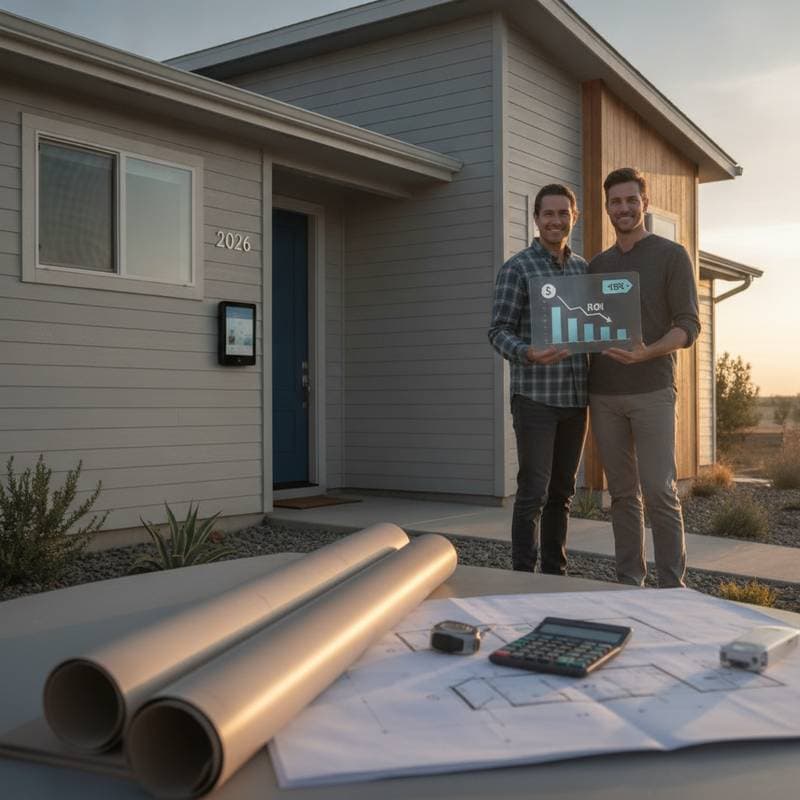
Vinyl Siding Costs Drop 15%: Calculate Your True ROI
A recent 15 percent drop in vinyl siding prices has many homeowners wondering if now is the right time to invest. Lower material costs can make full replacements or exterior upgrades more accessible. Price alone does not define value. The decision depends on total ownership costs, installation quality, and how well the siding fits both aesthetic goals and long-term maintenance expectations.
This guide breaks down how this price shift affects market value, resale appeal, and cost recovery. It also explains when repair remains smarter than full replacement and what to inspect before signing a contract.
Cost, ROI, and Impact Factors
The recent reduction in vinyl siding prices changes the initial investment but not the underlying cost structure. A typical single-story home of 1,800 square feet may now range from about 8,500 to 15,000 for standard vinyl, down from 10,000 to 17,000 before the drop. The savings come mainly from lower resin and transport costs.
Key Cost Drivers
- Removal and Disposal: Removing old siding adds 0.50 to 1.00 per square foot. If the sheathing or insulation beneath needs repair, that can raise the total by another 1.00 to 2.00.
- Complexity and Elevation: Multi-story homes or those with intricate gables require more scaffolding and labor. Expect 10 to 20 percent higher installation costs.
- Trim and Accessory Scope: Window trim, corner posts, soffit, and fascia details can add 1,000 to 3,000 depending on material and finish.
- Access and Site Conditions: Tight side yards, uneven terrain, or landscaping obstacles can slow installation and raise labor costs by roughly 5 to 10 percent.
Scale Examples
- Small Project: 1,200 square-foot bungalow, simple layout, minimal trim, about 6,000 to 8,500 total.
- Mid Project: 2,000 square-foot two-story home with moderate trim, about 10,000 to 15,000 total.
- Large Project: 3,000 square-foot home with multiple gables, high trim detail, about 16,000 to 22,000 total.
The 15 percent material drop translates to an average savings of 1,200 to 3,000 per home. Careful budgeting should still include removal, trim, and potential sheathing repairs.
Design for Curb Appeal
Curb appeal drives perceived value, which often influences buyer interest more than raw cost. Vinyl siding allows consistent color depth and texture uniformity across large surfaces. Design balance remains critical.
Key Design Rules
- Massing and Proportion: Keep horizontal lines continuous and even. Align trim across stories to avoid visual breaks.
- Contrast and Depth: Select trim colors two to three shades lighter or darker than the main body. Avoid extreme contrast unless highlighting a specific architectural feature.
- Entry Emphasis: The front door and porch area should remain the focal point. Simple corner posts and clean soffit details direct attention without distraction.
- Lighting and House Numbers: Use fixtures that match siding tone but provide enough brightness for safety. Place numbers on a smooth, contrasting background.
Color and Undertone Basics
Cool grays and light greens read neutral under sunlight. Warm beige or taupe tones work better with natural stone bases. Always sample panels under both morning and afternoon light before committing.
Proper proportion and restrained contrast produce the most market-friendly results. The design should photograph cleanly and feel cohesive from all viewing angles.
Maintenance and Longevity
Vinyl siding offers limited upkeep as its biggest advantage. Small routine tasks still protect finish and fit.
Cleaning and Tools
- Use a soft brush or microfiber cloth with mild detergent.
- Avoid high-pressure washing closer than 4 feet, which can force water behind panels.
- Rinse from top down to prevent streaking.
Inspection Schedule
- Every 12 months: Look for loose panels, cracked corners, or missing fasteners.
- Every 24 months: Check caulked joints and reseal if separation appears.
- After major storms: Verify that no panels have lifted or warped.
Finish Care
Do not paint vinyl unless specified as paintable grade. Repainting non-rated panels can void the warranty. If color fade occurs, gentle restoration cleaners can restore some sheen.
Warranty Responsibilities
Manufacturers typically cover color fade beyond certain thresholds and structural failure under normal conditions. Installation defects are handled by the contractor, not the product warranty.
A simple cleaning and inspection routine can extend practical life by 5 to 10 years. Maintenance costs stay low, which supports long-term value retention.
Selecting Materials and Installers
Focus on mid to upper-grade materials with verified installation practices. Balanced design choices deliver both curb appeal and a durable exterior. These factors defend resale value for decades when aligned properly.