
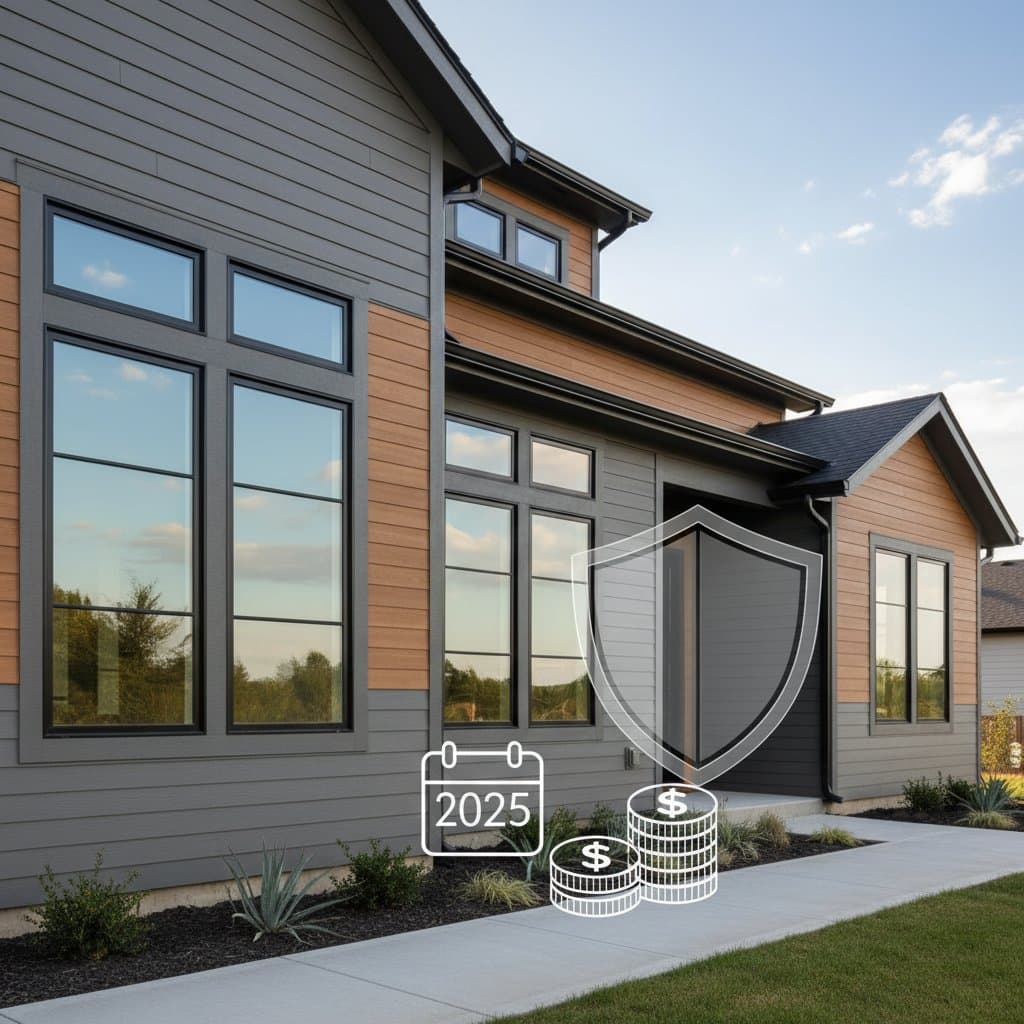
Impact Siding Options That Lower Insurance Costs in 2025
Homeowners seek ways to manage rising insurance rates while enhancing property resilience against severe weather. Impact-rated siding addresses these needs by withstanding hail, high winds, and debris impacts without compromising visual appeal. Selecting the appropriate siding involves evaluating how it influences premium discounts, energy performance, and overall home equity.
Project Overview
Scope: Replace full or partial exterior siding to achieve impact resistance.
Timeline: One to three weeks, based on home dimensions and material selection.
Complexity: Moderate to high; professional installation recommended for optimal results.
Cost Estimate: $9 to $24 per square foot, including labor.
Key Benefits: Certified impact ratings, durable substrates, added insulation, precise trim work, and reduced labor risks.
Selecting Materials and Profiles
Impact siding materials vary in resilience, upkeep requirements, and suitability for different environments. Homeowners should align choices with local weather patterns, stylistic preferences, and long-term care commitments.
| Material Type | Durability | Maintenance | Fire Resistance | Moisture Resistance | Cost Range (Installed) | Notes |
|---|---|---|---|---|---|---|
| Vinyl Impact Panels | Moderate | Low | Moderate | High | $9 to $15 per sq. ft. | Affordable option with impact flexibility. |
| Fiber Cement | High | Moderate | High | High | $13 to $20 per sq. ft. | Requires edge sealing and occasional repainting. |
| Engineered Wood | High | Moderate | Moderate | Moderate | $12 to $18 per sq. ft. | Provides natural look; needs protective sealing. |
| Steel Siding | Very High | Low | Very High | High | $15 to $24 per sq. ft. | Offers superior dent resistance and low upkeep. |
| Polymer Composites | Very High | Very Low | High | High | $18 to $26 per sq. ft. | Features premium durability and fade resistance. |
Blending Textures for Cohesive Design
Integrate multiple materials to add depth, but restrict accents to 20-30% of the facade to maintain harmony. Position smooth panels on main elevations and reserve textured or shingled elements for gables and focal areas. Consistent trim widths ensure seamless transitions and professional appearance.
Key Insight: Prioritize materials that match functional demands and community aesthetics. Streamlined designs enhance marketability and stand out in photographs to attract potential buyers.
Ensuring Proper Installation for Durability
Superior installation techniques are essential to realize the full potential of impact siding. Correct methods safeguard against water intrusion, structural issues, and voided warranties.
Steps to Avoid Water Intrusion
- Install continuous weather-resistant barriers beneath every panel.
- Apply metal or flexible flashing around windows, doors, and all openings, supplementing with sealant as needed.
- Offset vertical joints and secure horizontal overlaps per manufacturer guidelines.
- Incorporate expansion gaps to accommodate thermal movement and prevent warping.
Identifying Potential Issues
- Faulty Fastening: Excessively driven nails damage panel integrity.
- Exposed Edges: Unprotected cuts allow water entry, causing material degradation.
- Uneven Base Layers: Irregular sheathing creates visible distortions on stiff surfaces.
- Inadequate Cleanup: Leftover debris fosters moisture buildup and biological growth.
Preparing the Site and Respecting Neighbors
Shield plants and adjacent areas with protective coverings. Limit disruptive activities like cutting to standard business hours. Remove fasteners, scraps, and wrappings each day to eliminate hazards.
Key Insight: Engage contractors with documented expertise in impact installations. Quality work upholds performance standards and qualifies for insurance incentives.
Choosing and Evaluating Contractors
The contractor's proficiency directly impacts project outcomes, from material handling to final execution. Request bids that specify components, processes, and guarantees for straightforward assessments.
Essential Bid Elements
- Comprehensive inventory of materials, including barriers, accessories, and hardware.
- Procedures for integrating moisture and air seals.
- Plans for debris management and property safeguarding.
- Assignment of permitting and compliance duties.
- Phased schedule with clear milestones.
Evaluating Proposals
Require identical material and accessory specifications across bids for accurate pricing. Examine breakdowns for demolition, preparation, and completion phases to identify omissions. Budget bids that skip critical elements frequently result in unexpected additions.
Structuring Payments
Tie disbursements to verifiable progress points:
- Initial Deposit: 10-20% to procure supplies.
- Progress Payment: Following demolition and base corrections.
- Balance Due: After final walkthrough and official approvals.
Withhold full settlement until the work satisfies personal and regulatory standards.
Key Insight: Thorough proposals and phased funding foster accountability, helping maintain timelines and financial limits.
Benefits of Impact Siding in Everyday Use
This siding stabilizes indoor climates by moderating heat transfer and dampening external sounds from storms. Insurers recognize its role in risk reduction, often granting premium reductions and expedited claims processing. The reliability it provides translates to fewer disruptions and steady expenses over time.
For those weighing style, budget, and security, impact siding represents a strategic enhancement. It merges robust construction with proven efficacy and reduced care needs, elevating both immediate satisfaction and future market position.