
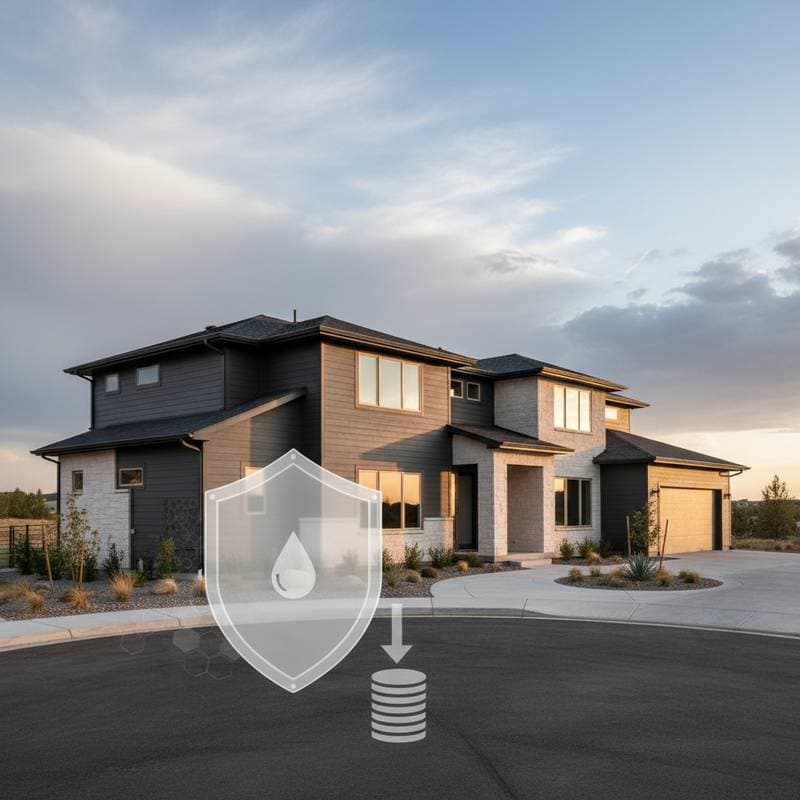
Unlock Insurance Savings with Hail-Resistant Siding
Homeowners in regions prone to severe weather understand the financial toll of hail damage. A single storm event can dent aluminum siding, crack vinyl panels, or puncture fiber cement boards, leading to expensive repairs and subsequent increases in insurance premiums. Installing hail-resistant siding provides robust protection for the home while potentially reducing those premiums. This guide details the nature of hail-resistant siding, project planning strategies, material and labor considerations, and maintenance practices to ensure lasting benefits.
Style and Selection Explainer
Core Profiles and Where They Fit
Selecting the right profile ensures both aesthetic harmony and functional performance. Each option suits specific architectural styles and exposure levels.
- Lap Siding: Horizontal overlapping boards that create a clean, layered look, best for traditional ranch homes or bungalows where simplicity enhances curb appeal.
- Board and Batten: Vertical boards with narrow covering strips over seams, perfect for farmhouse aesthetics or contemporary designs seeking vertical emphasis.
- Shake or Shingle Panels: Textured panels imitating natural wood shakes, commonly applied to gables or accent walls for added visual interest without overwhelming the facade.
- Panel Systems: Large, seamless sheets ideal for modern or commercial-inspired residences, offering a sleek, uninterrupted surface.
Material Options, Pros and Cons
Choosing materials involves balancing hail resistance, upkeep requirements, and budget constraints. The table below outlines key attributes to inform decisions.
| Material | Hail Resistance | Maintenance | Cost Level | Notes |
|---|---|---|---|---|
| Vinyl (Impact-Rated) | Moderate | Low | $$ | Flexible design absorbs minor impacts but may crack under extreme force without supportive sheathing. |
| Fiber Cement | High | Low | $$$ | Dense composition withstands dents effectively; requires repainting every 10 to 15 years to maintain appearance. |
| Engineered Wood | High | Medium | $$$ | Protective coatings guard against moisture and impacts; seal all cut edges during installation to prevent warping. |
| Steel | Very High | Very Low | $$$$ | Superior dent resistance in high-wind areas; available colors may limit design flexibility. |
| Composite Polymer | Very High | Very Low | $$$ | Engineered specifically for hail-prone zones, providing color stability and minimal fading over time. |
Mix Rules for Balanced Facades
Achieve a cohesive exterior by designating one primary profile for the majority of walls and incorporating accents judiciously. For instance, pair horizontal lap siding with vertical board and batten on gable ends to add dimension. When combining materials, select those with similar thermal expansion properties to avoid gaps or stress cracks on the same surface. This approach maintains structural integrity while enhancing visual appeal.
Trim and Accent Logic
Trim elements safeguard vulnerable edges against wind uplift and water infiltration. Opt for durable options like galvanized metal or cellular PVC in high-exposure areas, such as corners and roof junctions. Align the warranty durations of trim and siding components to ensure synchronized protection periods, simplifying future claims and replacements.
Example Scenarios by Home Type
Tailor selections to architectural style and environmental demands for optimal results.
- Single-Story Ranch: Choose impact-rated vinyl or engineered wood to balance affordability with low-maintenance demands in suburban settings.
- Two-Story Colonial: Install fiber cement paired with metal trim to deliver enduring weather resistance and timeless elegance.
- Mountain Cabin: Select engineered wood or composite shake panels to provide textured warmth alongside inherent impact safeguards.
- Modern Home: Employ steel or composite panels with visible fasteners to achieve minimalist lines and unmatched durability.
Step-by-Step Project Prep
1. Define Goals and Scope
Begin by identifying the primary motivation, such as repairing existing damage, pursuing insurance discounts, or completing a comprehensive exterior refresh. Determine if the project includes complementary upgrades like trim replacement, soffit repairs, gutter installations, or added insulation. Establish a minimum impact rating standard, such as Class 4 under UL 2218 testing, to guide material choices and contractor evaluations.
2. Shortlist Contractors and Compare Bids
Identify contractors experienced in installing your selected materials, verifying their certifications through manufacturer programs. Request documentation of general liability insurance and current licensing to mitigate risks. Evaluate bids not only on total price but also on inclusions like sheathing inspections, proper flashing, and extended warranties; bids omitting these essentials often lead to higher costs from future issues.
3. Samples, Mockups, and Approvals
Examine physical samples in daylight to assess color accuracy and texture realism against your home's surroundings. For extensive installations, request an on-site mockup panel to evaluate scale and proportion before full commitment. Secure written confirmation from your insurance provider regarding potential premium adjustments prior to starting work, ensuring eligibility for discounts.
4. Site Readiness and Daily Routine
Prepare the property by relocating vehicles, outdoor furniture, and landscaping elements to protect them from debris. Notify neighbors in advance about construction noise and temporary disruptions. Anticipate early morning starts to take advantage of longer daylight hours; arrange alternative access for pets and designate parking zones for crew vehicles to streamline operations.
5. Quality Checks at Each Milestone
Conduct inspections at key stages to uphold standards.
- After Removal: Examine underlying sheathing for signs of rot, mold, or pest infestation, addressing any damage immediately.
- After Weather Barrier Install: Verify complete coverage without gaps and proper sealing of all seams to prevent moisture entry.
- During Siding Application: Check for uniform fastener placement and consistent overlap to ensure a secure, even finish.
- Before Final Payment: Inspect the entire perimeter alongside the project lead, documenting and resolving any imperfections such as uneven cuts or color mismatches.
Sustaining Performance After Installation
Hail-resistant siding delivers ongoing value by minimizing repair needs and supporting insurance efficiencies. Homeowners typically see premium reductions ranging from 5 to 15 percent upon providing documentation of certified impact-rated installations. This upgrade also safeguards property value, as undamaged exteriors appeal more strongly to potential buyers in competitive markets.
Maintain a record of routine inspections and any weather events, noting dates and conditions. In the event of hail contact, capture detailed photographs of affected areas prior to any cleanup or touch-up efforts. Present product specifications, including UL impact ratings, to adjusters during claims to expedite processing and approvals.
For residents in hail-frequent areas, this investment translates to reduced repair frequency, shorter disruption periods, and enhanced overall security. Hail-resistant siding strengthens the home's protective barrier, elevates its aesthetic endurance, and improves insurability for years ahead.