
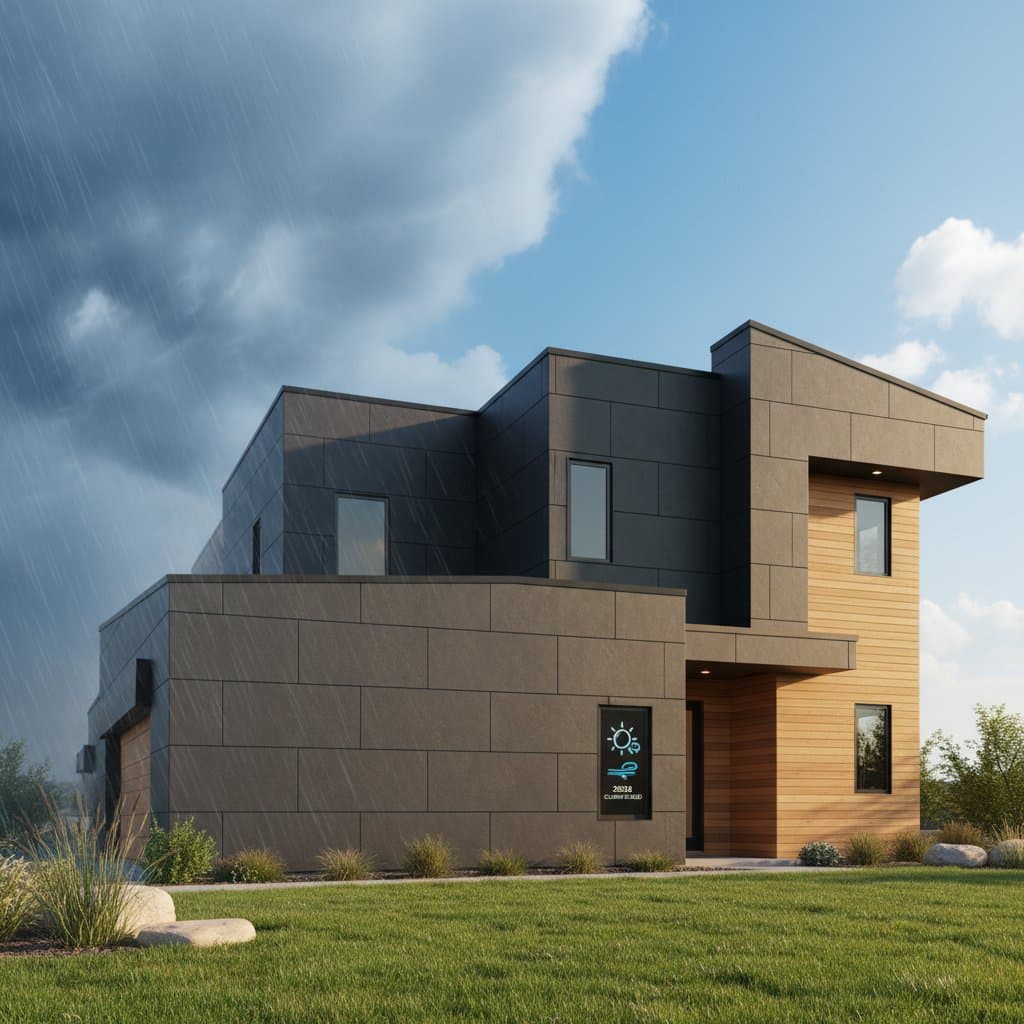
Selecting Siding Materials for Extreme Weather in 2026
Homeowners face increasing challenges from volatile weather patterns. Intense heat waves, powerful storms, and rising humidity levels require siding that provides robust protection while preserving aesthetic appeal. This article examines top material options, evaluates costs and returns on investment, and details installation and maintenance practices to ensure long-term durability and value.
Understanding the Demands of Extreme Weather
Extreme weather tests the limits of home exteriors. Materials must withstand thermal expansion from prolonged high temperatures, resist impacts from hail and high winds, and prevent moisture infiltration that leads to rot or mold. Beyond performance, effective siding maintains its appearance over decades, reduces energy costs through better insulation, and enhances property resale value. Selecting the right option involves balancing upfront expenses with lifecycle benefits, considering local climate risks and building codes.
Comparing Siding Materials and Profiles
Various materials offer distinct advantages for weather resistance. The following table summarizes key attributes, including strengths, potential drawbacks, and upkeep requirements.
| Material | Strengths | Weaknesses | Maintenance Requirements |
|---|---|---|---|
| Fiber Cement | Resists fire and heat expansion; accepts paint that lasts 15+ years; mimics wood textures effectively | Requires professional handling due to weight; demands precise cutting | Annual washing with mild detergent; repainting every 12-15 years |
| Engineered Wood | Provides authentic wood appearance; lighter than solid wood; pre-finished for immediate use | Susceptible to swelling if edges lack proper sealing; higher vulnerability to pests | Biannual cleaning; periodic caulking and paint touch-ups |
| Vinyl | Affordable entry point; extensive color selections; eliminates need for painting | Prone to cracking under hail impact; may warp in extreme heat | Simple rinsing one to two times per year |
| Steel | Exceptional resistance to impacts and insects; recyclable and strong structural support | Elevated initial investment; fewer options for custom trims | Regular inspections for coating damage; minor touch-ups as needed |
When designing the exterior, consider combining profiles for visual interest. Limit combinations to two materials to avoid a cluttered look from the street. Vertical elements suit modern or Craftsman styles, but reserve them for areas that align with the home's architectural features.
Cost Analysis and Return on Investment
Initial costs vary significantly. Fiber cement typically ranges from $8 to $14 per square foot installed, while vinyl offers the lowest at $4 to $8. Engineered wood falls in the middle at $6 to $12, and steel commands $10 to $16. Factor in removal of old siding, which adds $1 to $3 per square foot.
Returns on investment appear in reduced maintenance and energy savings. Durable options like fiber cement or steel can boost home value by 5-7% in storm-prone areas, according to industry benchmarks. Over 20 years, low-maintenance materials save thousands in repairs and repaints, offsetting higher upfront costs.
Key Insight: For regions prone to hurricanes or wildfires, fiber cement and steel provide superior protection relative to their total ownership costs.
Ensuring Proper Installation Practices
Installation quality determines siding longevity. Poor execution at vulnerable points invites water damage and structural issues. Focus on these essentials:
- Install flashing around windows, doors, and roof junctions to direct water away.
- Align overlaps correctly to form a continuous drainage plane.
- Space fasteners according to manufacturer guidelines, typically 16 inches on center for optimal hold.
Professional crews minimize disruptions by protecting plants and pathways, containing debris, and communicating with neighbors about timelines. A methodical approach, including daily site cleanups, prevents accidental damage like scratches on new panels.
Common Pitfalls to Avoid
Skip shortcuts such as omitting house wrap or ignoring grade clearances. Maintain at least six inches between siding bottoms and soil to block moisture rise. Taping all seams in the weather barrier creates a seamless shield against wind-driven rain.
Key Insight: Insist on a comprehensive weather barrier system with taped seams and adequate ground clearances to safeguard against moisture intrusion.
Choosing and Evaluating Contractors
Reliable contractors deliver results that endure. Request bids that detail:
- Specific material brands, gauges, and thicknesses.
- Inclusion of weather barriers, flashings, and trim packages.
- Procedures for old siding removal and eco-friendly disposal.
- Handling of permits and inspections.
- Payment schedules linked to milestones, such as 30% after mobilization, 40% post-installation, and 30% upon final walkthrough.
Vet candidates through references, licensing verification, and proof of insurance. Prioritize those with experience in extreme weather installations, as they anticipate regional challenges like high winds or seismic activity.
Maintenance Strategies for Longevity
Routine care extends siding life and preserves performance. Inspect annually for cracks, loose panels, or fading coatings, especially after major weather events. Clean with low-pressure water to remove dirt and pollen without damaging surfaces.
Address issues promptly: Seal gaps in engineered wood, repaint fiber cement as needed, and repair vinyl dents. These steps prevent minor problems from escalating into costly replacements.
Realizing Benefits from Resilient Siding
Investing in weather-resistant siding yields tangible advantages. It dampens external noise, moderates indoor temperatures for lower utility bills, and simplifies upkeep routines. Homeowners enjoy enhanced curb appeal that supports higher market values, creating a secure and attractive living environment amid unpredictable climates.