
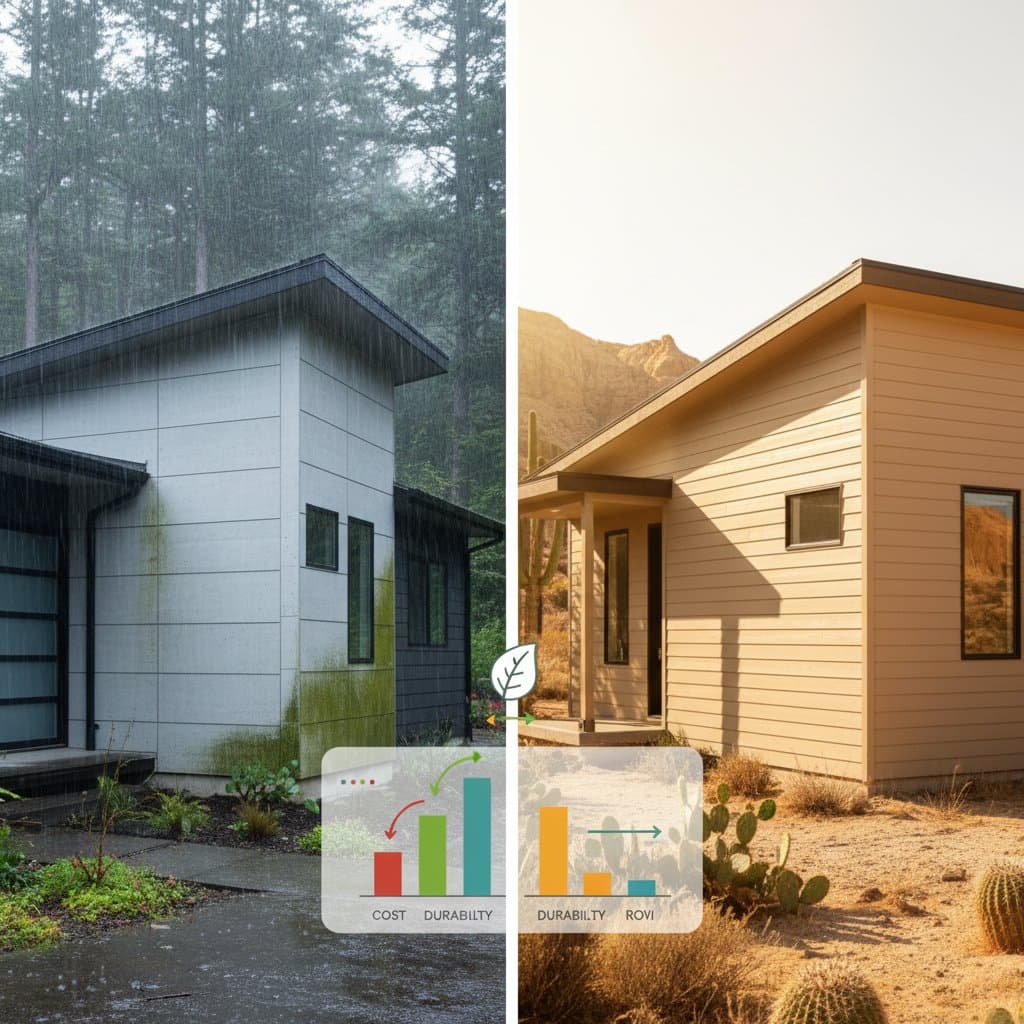
How Climate Influences Siding Costs Through 2026
Extreme weather patterns and shifting climate conditions continue to impact the construction industry, particularly the costs associated with exterior siding materials. Homeowners face rising prices for both fiber cement and vinyl siding due to increased demand for durable options that withstand harsher environments. Projections through 2026 indicate that these trends will persist, driven by frequent storms, temperature fluctuations, and supply chain disruptions. This article examines the key factors affecting siding costs, compares fiber cement and vinyl options, and provides practical guidance to help select the best material for specific regional climates.
Understanding these dynamics allows homeowners to make informed decisions that balance initial expenses with long-term savings. For instance, in areas prone to high winds or heavy rainfall, investing in resilient siding can prevent costly repairs. The following sections break down pricing trends, performance characteristics, and strategies to optimize value.
Projected Siding Costs in 2026
Siding costs vary significantly based on material type, installation complexity, and regional climate demands. Fiber cement siding typically ranges from $8 to $15 per square foot installed, reflecting its robust composition of cement, sand, and cellulose fibers. Vinyl siding, made from polyvinyl chloride, offers a more affordable alternative at $4 to $8 per square foot. These figures account for 2026 projections, which include a 10 to 20 percent increase over current prices due to raw material shortages and labor costs exacerbated by climate-related events.
In coastal or hurricane-vulnerable regions, such as the Southeast United States, fiber cement prices may climb higher because of enhanced wind resistance requirements. Conversely, in milder Midwestern climates, vinyl remains cost-effective without compromising basic protection. Homeowners should factor in total project expenses, including underlayment and flashing, which add 15 to 25 percent to the base cost. Obtaining multiple quotes from certified installers ensures competitive pricing tailored to local conditions.
Durability and Climate Performance Comparison
Fiber cement excels in durability, offering a lifespan of 50 years or more when properly maintained. It resists moisture absorption, insects, and fire, making it ideal for humid, wildfire-prone, or high-impact areas like the Pacific Northwest or California. In extreme heat, fiber cement maintains structural integrity without warping, though it requires periodic repainting to preserve appearance.
Vinyl siding provides solid performance for 20 to 40 years, depending on quality and exposure. It handles moderate temperature swings well but can become brittle in sub-zero winters or fade under intense UV radiation in sunny Southwest regions. While vinyl offers excellent resistance to corrosion and low maintenance, it may dent from hail or flying debris, necessitating replacement in storm-frequent zones. Selecting UV-stabilized vinyl with reinforced panels enhances its suitability for variable climates.
Both materials contribute to energy efficiency when paired with proper insulation. Fiber cement's density provides better thermal mass, reducing heating and cooling needs in fluctuating climates. Vinyl's lighter weight allows for easier integration with reflective barriers, which reflect solar heat in warmer areas. Evaluating local weather data from sources like the National Weather Service helps predict which material will deliver optimal protection and cost savings over time.
Design Strategies for Enhanced Appeal and Protection
Effective siding design not only boosts aesthetic appeal but also supports longevity in diverse climates. Consistent horizontal lines across all elevations create a unified look that withstands visual inspection from varying angles. Using a trim color slightly lighter than the main field ensures balanced contrast, which highlights architectural features without overwhelming the facade.
To draw attention to the entryway, apply a deeper tone or vertical profile around the door for a welcoming frame. Position house numbers and lighting fixtures to complement rather than compete with the siding texture, avoiding cluttered appearances that diminish curb appeal.
Color and Undertone Basics
Select colors that harmonize with environmental exposures. Cool grays and blues work well in shaded or overcast settings, while warm beiges or taupes complement sunny, arid locations. Matte finishes prove more forgiving, as they conceal dust and minor imperfections better than glossy surfaces.
For vinyl in deeper hues, opt for formulations with heat-resistant pigments to minimize fading from prolonged sun exposure. Testing samples in natural light confirms how colors interact with regional sunlight and shadows, ensuring the home's exterior remains vibrant year-round.
Actionable Takeaway
Design decisions that promote even lighting in photographs and resist environmental wear safeguard the home's perceived value. Incorporating balanced tone contrasts elevates curb appeal while controlling overall expenses.
Maintenance and Longevity Essentials
Proper upkeep extends the service life of both fiber cement and vinyl siding, potentially spanning decades. Failure to address issues promptly can accelerate deterioration and invalidate manufacturer warranties.
Maintenance Checklist
- Annually: Clean siding surfaces with a mild detergent solution and inspect caulking around trim and joints for cracks or separation.
- Every 3 years: Examine fiber cement for signs of chalking or peeling finishes, and touch up as needed to maintain the protective coating.
- Every 5 years: Reapply caulk to penetrations, windows, and corner boards to seal against water infiltration.
- After major storms: Assess for dents, cracks, or loosened panels, and secure or replace damaged sections immediately.
Safe Cleaning Tools
Employ a soft-bristled brush or a pressure washer set below 1,200 psi to avoid surface damage. Steer clear of abrasive chemicals that erode protective layers or cause vinyl to lose its sheen.
Warranty Considerations
Vinyl warranties often cover fading, cracking, and material defects for 30 to 50 years, though they exclude damage from external heat sources such as barbecues. Fiber cement products feature extended structural guarantees, up to 50 years, paired with 15 to 25 years for pre-finished coatings. Retain all receipts, installation records, and maintenance logs to facilitate warranty claims.
Actionable Takeaway
Regular cleaning and proactive repairs block moisture from causing underlying issues like rot or delamination. Documented maintenance history builds buyer confidence and supports higher resale prices.
Maximizing Long-Term Value and Home Resale Potential
Selecting the right siding aligns home improvements with regional climate challenges, enhancing both functionality and marketability. In humid or fire-risk areas, fiber cement's superior stability and resistance justify the elevated initial investment, often yielding a return on investment exceeding 70 percent upon resale. Stable temperate regions benefit from vinyl's economical profile and straightforward care, providing reliable protection without excessive upkeep.
Regardless of the chosen material, integrate comprehensive weather barriers during installation to fortify against elemental stresses. Thoughtful design and diligent maintenance transform siding into a durable asset that elevates property value. Homeowners who prioritize these elements enjoy sustained protection, reduced repair frequency, and an exterior that endures evolving climate demands through 2026 and beyond.