
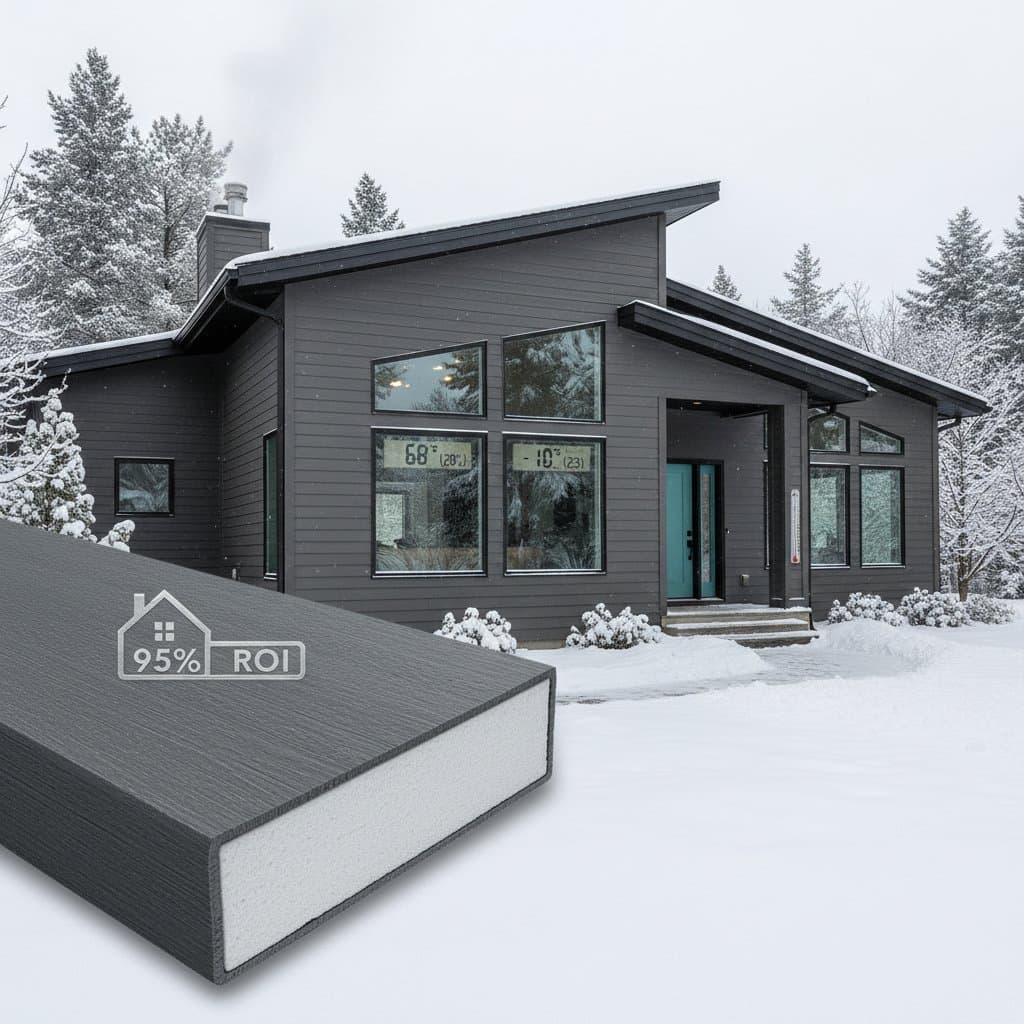
Insulated Vinyl Siding Delivers 95% ROI in Cold Climates
Insulated vinyl siding merges thermal performance with minimal upkeep, presenting homeowners in cold regions with a superior option for exterior improvements. The integrated foam backing enhances energy conservation, dampens external noise, and fortifies walls against harsh weather. Proper installation allows this siding to recover approximately 95 percent of its cost via energy savings and elevated property value. Success depends on meticulous planning, precise budgeting, and selection of materials adapted to regional demands.
Selecting Styles and Materials
Core Profiles
Insulated vinyl siding features profiles such as clapboard, Dutch lap, and board-and-batten. A molded foam core bonds to the vinyl exterior in each, filling the space behind the panel to increase rigidity and minimize thermal transfer.
- Clapboard fits colonial and ranch-style homes, creating extended horizontal lines.
- Dutch lap delivers a pronounced reveal for defined shadow lines.
- Board-and-batten complements farmhouse and contemporary rustic aesthetics.
Material Variations
All insulated vinyl siding includes a vinyl facade and foam insulation, yet variations exist in finishes and foam composition.
- Standard expanded polystyrene foam offers R-values of 2.5 to 3 for basic thermal resistance.
- High-density or graphite-enhanced foam achieves R-values near 4, bolstering heat retention.
- Vinyl gauge ranges from 0.044 to 0.050 inch; thicker options better withstand impacts and prevent oil-canning, the undesirable waviness on flat surfaces.
Guidelines for Combining Profiles
Integrating profiles elevates visual interest, provided transitions remain seamless. Apply vertical board-and-batten to gables or focal walls, while reserving horizontal clapboard for primary facades. Match trim dimensions and hues for uniformity. Refrain from blending insulated and traditional vinyl on the same surface, as differing thicknesses lead to irregular planes.
Trim and Accent Strategies
The added bulk of insulated panels necessitates compatible trim. Select insulated corner posts and broader J-channels for seamless alignment. Opt for trim in subdued tones that accentuate rather than overshadow the siding.
Application Examples
- For a two-story colonial home, install insulated Dutch lap in a pale neutral shade paired with dark shutters; the enhanced reveal accentuates architectural depth.
- In a modern ranch, combine smooth insulated clapboard with broad, understated trim in balanced mid-tones.
- A farmhouse benefits from board-and-batten on gables alongside clapboard on base walls, fostering a sense of verticality.
Durability and Safety Considerations
Resistance to Weather Extremes
Freeze-thaw cycles in cold areas challenge conventional siding. Insulated vinyl mitigates these effects by stabilizing wall temperatures. The foam layer absorbs shocks from hail or debris propelled by wind. Panels secured according to guidelines endure winds up to 110 miles per hour.
Handling Moisture and Fire
Vinyl inherently repels rot and pests, while the foam core remains impervious to water absorption. Incorporate weep holes at every joint to channel away moisture. As a self-extinguishing material, vinyl ceases combustion upon removal of the ignition source. Maintain a five-foot clearance from grills or other heat emitters to safeguard the surface.
Essential Installation Practices
- Apply continuous house wrap under panels to regulate vapor movement.
- Seal windows and doors with appropriate tape and metal flashing.
- Provide expansion spaces at nail holes and seams to avoid warping.
- Employ rust-resistant nails inserted perpendicularly without over-tightening.
Maintenance Routine
Insulated vinyl siding demands sparse attention. Clean annually or biannually using a gentle solution of water and mild detergent applied with a soft brush or rag. Avoid pressure washers, which may drive water beneath panels. Review caulk and trim yearly, reapplying sealant as needed.
Warranty Essentials
Transferable warranties on most systems protect against material flaws for decades. Exclusions typically cover excessive fading, impact damage, fire exposure, or incorrect maintenance. Retain purchase records and installation certificates, as claims require verified ownership.
Preparing for Installation
1. Establish Objectives and Assessment
Determine primary aims, such as cutting utility expenses, refreshing aesthetics, or enhancing marketability. Evaluate current walls for problems like damp spots or air leaks that the siding must address.
2. Evaluate Contractors and Quotes
Obtain at least three detailed bids. Scrutinize inclusions like insulation levels and trim specifications. Verify adherence to local building codes for energy and wind resistance. Review references from similar cold-weather projects.
3. Review Samples and Mockups
Examine tangible samples of siding and trim under varied lighting. Request a test panel installation to assess profile depth and integration prior to committing.
4. Prepare the Site
Remove obstacles from driveways, patios, and grounds. Disconnect outdoor lights if necessary. Anticipate noise, restricted entry points during removal, and arrangements for waste disposal and material protection.
5. Conduct Milestone Inspections
Verify sheathing integrity before panel mounting. Ensure foam adheres tightly without voids. During progress, confirm even alignment at openings and edges. Upon finishing, check seals, panel flexibility, and completed warranty paperwork.
Maximizing Long-Term Performance
Proper care ensures insulated vinyl siding sustains its value over time. The foam insulation interrupts thermal bridging, curbing heat loss through structural elements during winter months. Residents in frigid zones frequently note improved interior comfort and diminished drafts.
Trim vegetation to avert scratches from overhanging limbs. Skip painting, as built-in UV protectors preserve color integrity. Should repainting arise after extended use, select vinyl-compatible products that accommodate expansion. Regularly clear gutters to avert ice buildup that might infiltrate siding margins.