
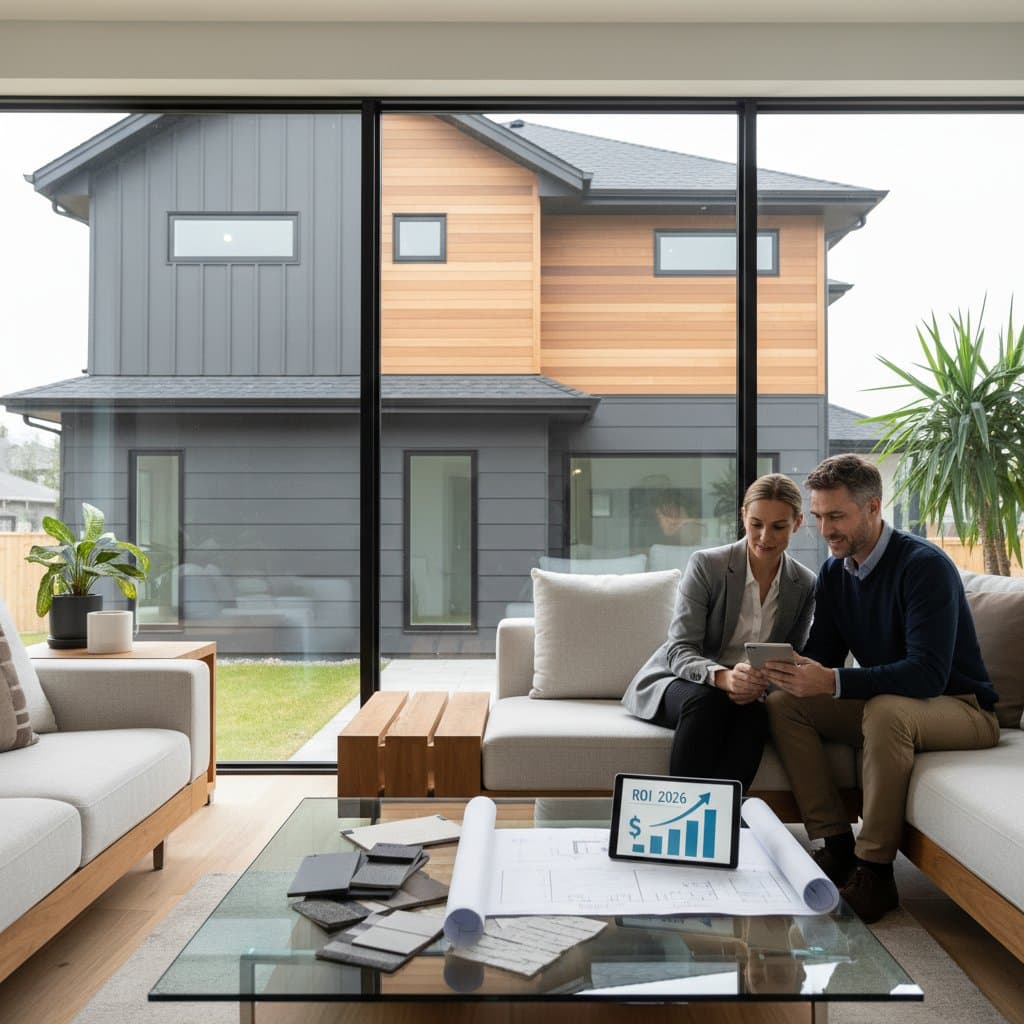
Strategic Siding Options to Safeguard Home Value During the 2026 Recession
Economic downturns demand careful investment in home improvements. Siding stands out as a key exterior upgrade that affects resale potential, energy performance, and overall buyer perception. In a recession, prospective buyers scrutinize visible durability and ongoing costs closely. The appropriate siding selection maintains property equity, lowers maintenance demands, and elevates street presence, even as broader market conditions fluctuate.
Homeowners who prioritize resilient materials often see faster sales and higher offers. These choices signal quality without excessive spending. This article outlines proven options, installation best practices, and selection strategies tailored to recessionary pressures.
Project Overview at a Glance
Before committing to a siding replacement, understand the project's essentials. Full exterior work typically encompasses siding panels, trim elements, and underlying moisture barriers. The timeline spans seven to fourteen days, influenced by the home's dimensions and site accessibility. Skill level required ranges from moderate for basic installations to advanced for complex profiles or weather challenges.
Costs generally fall between eight and eighteen dollars per square foot for professional installation. Factors such as material type, labor rates, and regional pricing contribute to this range. Budget for additional expenses like permits or unforeseen repairs to avoid financial strain.
Selecting Materials and Profiles for Optimal Value
Siding decisions extend beyond initial expenses to encompass longevity, care needs, and aesthetic harmony. Each material offers distinct advantages in terms of resistance to environmental stresses and contribution to property appeal. Consider local weather patterns, such as heavy rain or high winds, when evaluating options.
The following table compares leading materials based on key performance metrics:
| Material | Lifespan | Maintenance Level | Fire and Moisture Resistance | Expected ROI Range | Key Considerations |
|---|---|---|---|---|---|
| Vinyl | 25-40 years | Low | Moderate | 70-80% | Affordable entry point; offers basic textures but lacks depth in premium looks |
| Fiber Cement | 30-50 years | Moderate | High | 75-90% | Superior protection against fire, impacts, and pests; mimics wood grain effectively |
| Engineered Wood | 25-40 years | Moderate | Moderate | 70-85% | Provides natural warmth; requires sealing but cuts more easily than cement alternatives |
| Metal (Steel or Aluminum) | 40-60 years | Low | High | 65-80% | Excels in harsh climates; delivers sleek, contemporary profiles for modern designs |
| Natural Wood | 20-35 years | High | Low | 60-75% | Delivers authentic charm; demands regular staining and inspections to prevent rot |
To enhance visual interest without overwhelming the facade, limit combinations to two materials visible from the street. Pair horizontal lap siding with subtle accents like board-and-batten sections or shingle panels in limited areas. This approach adds dimension while maintaining a cohesive appearance.
Focus on simplicity to reassure buyers. Elaborate designs may suggest higher future repair needs, deterring offers in a cautious market.
Ensuring Installation Excellence and Mitigating Risks
Premium materials underperform if installation overlooks critical building envelope principles. Proper techniques prevent water intrusion, which leads to costly mold or structural issues down the line.
Address these essential safeguards:
- Install continuous weather-resistant barriers behind all joints to block moisture penetration.
- Apply self-adhesive flashing around windows and doors to direct water away from vulnerable seams.
- Position siding panels at least six inches above ground level to avoid capillary action from soil.
- Offset vertical joints between courses and apply back-caulking to butt joints for airtight seals.
Preparation of the site proves equally vital. Include provisions for debris management and safeguards for neighboring properties in the contract. A tidy worksite minimizes conflicts and potential liability claims.
Document the process by requesting photographs at key stages. These images confirm the presence of barriers and correct fastening methods before panels conceal the underlayers.
Choosing Contractors and Evaluating Bids
Securing a reliable contractor determines the project's success and longevity. Avoid decisions based solely on the lowest bid, as shortcuts often result in premature failures and warranty voids.
Start by verifying credentials: Seek professionals certified by organizations like the Vinyl Siding Institute or Fiber Cement manufacturers. Review portfolios of completed projects similar to your home's style and size. Check references from recent clients to gauge reliability and communication.
When reviewing bids, emphasize comprehensive scope over bottom-line figures. A thorough proposal should detail material specifications, labor inclusions, cleanup protocols, and timelines. Request breakdowns for each component, such as underlayment or trim work, to identify hidden costs.
Compare at least three bids from licensed, insured providers. Inquire about warranties: Aim for at least ten years on materials and five on labor. Discuss payment schedules that tie installments to milestones, ensuring accountability.
During consultations, ask about experience with recession-era projects. Seasoned contractors often recommend cost-effective yet durable choices, like hybrid material blends, to stretch budgets without compromising quality.
Maintaining Siding for Sustained Performance and Value
Post-installation care extends the life of your investment and upholds resale appeal. Regular inspections reveal issues early, preventing minor problems from escalating.
For vinyl or metal siding, rinse surfaces annually with a mild detergent solution to remove dirt and pollen buildup. Avoid high-pressure washers, which can damage seams. In fiber cement or engineered wood applications, inspect for cracks or loose boards every six months; reseal as recommended by the manufacturer to maintain resistance.
Natural wood requires more attention: Apply protective stains or paints every two to three years, focusing on exposed edges. Trim vegetation away from the house to promote airflow and reduce moisture retention.
Preserve warranties by adhering to care guidelines. Document all maintenance activities, as proof may support claims during resale. These habits not only protect equity but also demonstrate to buyers a commitment to the property's upkeep.
Realizing Long-Term Benefits from Your Siding Investment
Siding selections that thrive in recession conditions harmonize initial outlays with enduring reliability. Fiber cement and engineered wood strike an ideal balance, combining high ROI potential with trusted aesthetics and performance. Vinyl serves as a steadfast choice for constrained finances, whereas metal options appeal to those prioritizing decades of minimal intervention.
Tailor your decision to regional conditions, intended holding period, and personal upkeep preferences. By integrating thoughtful material choices with expert installation and diligent maintenance, homeowners fortify their assets against economic uncertainty. This strategic approach not only preserves value but also positions the property favorably in a competitive market.