
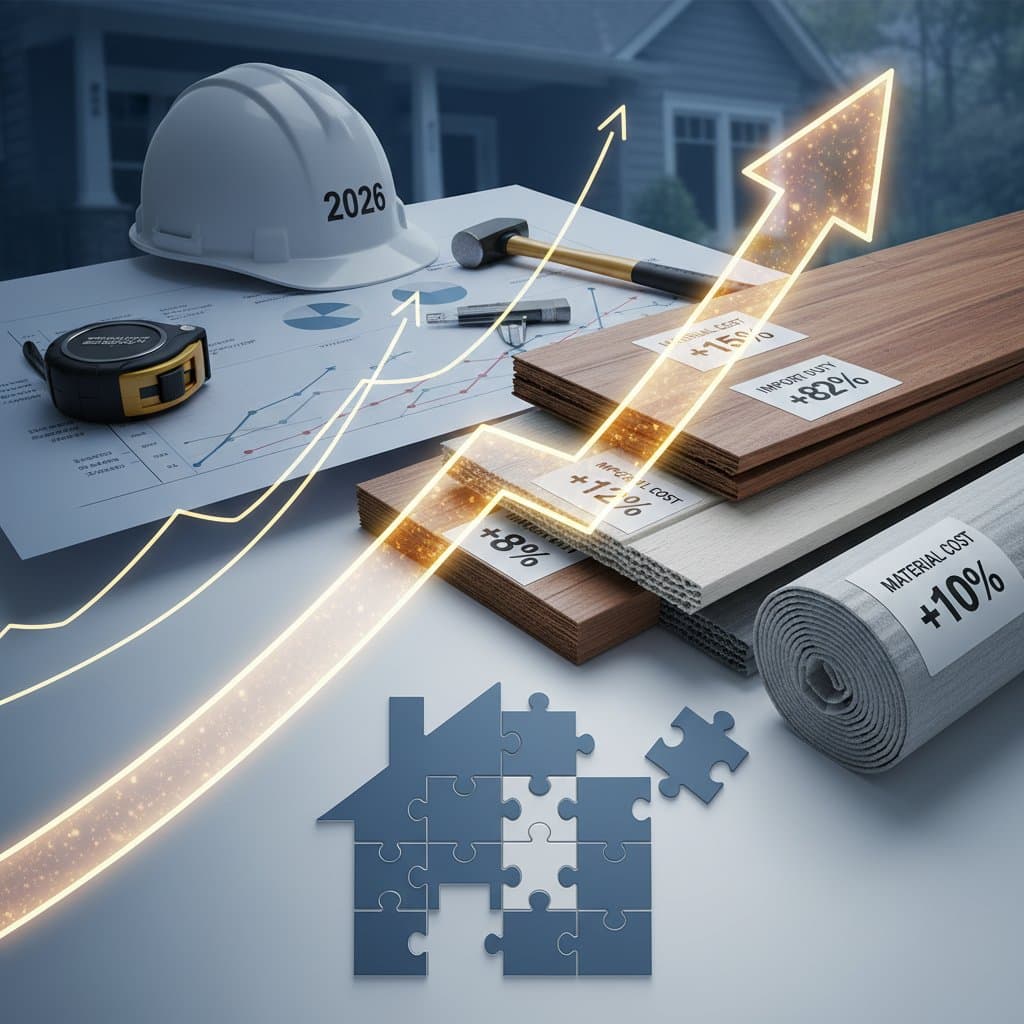
2026 Siding Tariffs: Real Costs Homeowners Face
Rising import duties on siding materials reshape project budgets nationwide. Homeowners planning exterior renovations require precise figures rather than vague reports. These tariffs influence supplier sourcing, contractor pricing, and material delivery times. Grasping these elements enables informed decisions on proceeding, delaying, or selecting alternative materials. This guide details key cost factors, expected price ranges, and resilient options that preserve value despite elevated supply expenses.
Cost, ROI, and Impact Factors
Tariffs target siding materials dependent on imported metals, vinyl, and fiber cement. An increase in import costs of 10 to 25 percent translates to finished product prices rising by an additional 5 to 12 percent after accounting for shipping, distributor markups, and handling. Labor expenses seldom decrease to balance these hikes, resulting in overall budget escalations.
Projected ranges post-tariff:
- Small project (1,000 square feet): $10,000 to $16,000 total
- Mid-size project (1,800 square feet): $16,000 to $28,000 total
- Large project (3,000 square feet): $27,000 to $45,000 total
Primary cost components:
- Demolition and disposal of existing siding
- Access for multi-level work, including scaffolding or aerial lifts
- Intricate trim work and corner treatments
- Challenging site features like narrow property boundaries or dense landscaping
- Sourcing of domestically produced, tariff-free alternatives
Return on investment hinges on local market norms and prospective buyer preferences. Properly executed siding installations recoup 60 to 75 percent of expenses upon sale. Subpar craftsmanship or inconsistent finishes diminish appeal rapidly. Selecting materials backed by extended warranties and minimal upkeep enhances recovery, as purchasers value foreseeable maintenance outlays.
Key action: Inflate your budget estimate by 8 to 15 percent for tariff effects, and confirm that contractor proposals incorporate this adjustment.
Design for Curb Appeal
Prospective buyers first assess overall harmony, symmetry, and sharp edges over specific hues. Tariffs may steer choices toward cost-effective local products, yet fundamental design rules dictate resale worth.
Achieving balanced massing and proportion:
Maintain uniform horizontal alignments at window and door frames. Match trim heights to siding panels for seamless visual flow. For multi-story structures, opt for broader panel exposures to minimize overwhelming vertical elements.
Selecting color and undertone:
Opt for versatile neutrals such as grays, taupes, and muted greens that perform well in real estate photography. Mid-range tones conceal dirt and fade effectively. Warm undertones expand the home's street presence, whereas cool shades convey precision and contemporary style.
Highlighting the entryway with lighting:
Ensure a straightforward approach to the front door illuminated evenly. Standardize fixtures, address numbers, and mailbox hardware in one metallic finish. Refresh paint on steps and adjacent trim to accentuate the siding's surface qualities.
Key action: Tariffs alter material availability but not buyer perceptions of attractiveness. Employ measured contrasts, precise lines, and unified color schemes to maximize initial impact.
Maintenance and Longevity
Shifts to alternative materials due to tariffs can introduce varied upkeep demands. Anticipating these preserves warranty eligibility and sustains pristine appearances.
Routine maintenance schedule:
- Annually: Hose down siding at low pressure, examine sealant joints, and clear gutters
- Every three years: Reapply paint or sealant to trim and exposed edges
- Every five years: Check fasteners for rust and secure any shifting panels
- Post-storm: Scan for impacts, fractures, or dislodged sections
Steer clear of pressure washers exceeding 1,500 psi, as they force moisture beneath surfaces. Employ gentle brushes with diluted soap solutions. For fiber cement or metal sidings, skip rough scrubbers that damage protective layers.
Warranty essentials:
Manufacturers typically mandate documented correct installation, routine care, and avoidance of unauthorized alterations. Retain images, invoices, and upkeep logs for potential disputes.
Key action: Consistent checks and mild cleaning safeguard surface quality and avert warranty lapses from minor oversights.
Securing Lasting Value Through Planning
Tariff fluctuations prove challenging to forecast, yet thorough preparation mitigates their effects. Prioritize established materials, demand itemized quotes, and commit to ongoing care. Well-maintained exteriors signal reliability and ease to future owners, ensuring your investment endures.