
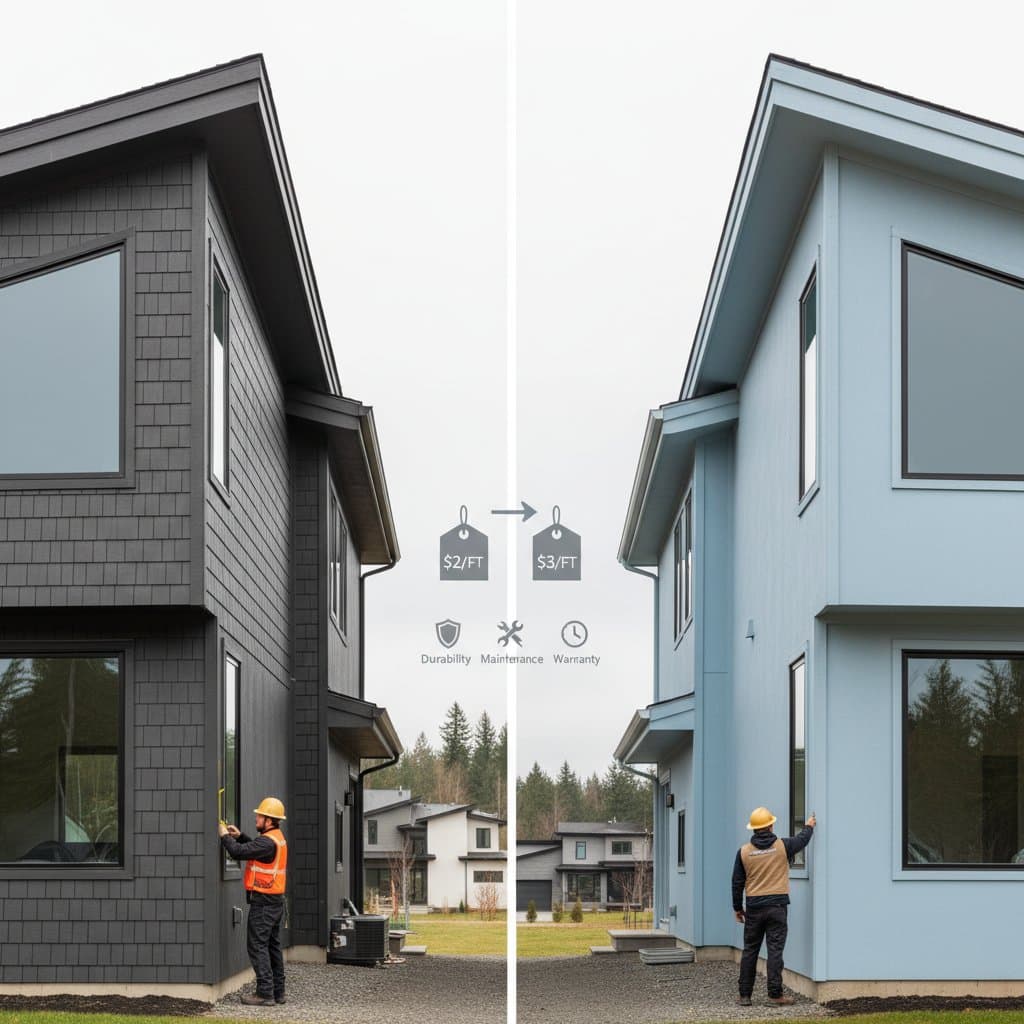
2025 Showdown: LP SmartSide vs James Hardie Siding
Homeowners evaluating LP SmartSide engineered wood against James Hardie fiber cement siding must weigh options in premium exterior cladding. These materials provide robust protection, extensive warranties, and diverse aesthetic choices. The key factors influencing the final selection include upfront costs, long-term durability, and the visual appeal each option brings to a property. This guide details the characteristics of both products, outlines planning considerations for installation, and highlights ongoing maintenance needs to inform your decision.
Style and Selection Explainer
Core Profiles
LP SmartSide and James Hardie both offer versatile profiles such as lap, panel, shake, and vertical board designs. Lap siding works well for classic suburban residences, creating a horizontal line that enhances curb appeal. Panel and batten configurations adapt to farmhouse, cottage, or contemporary architectures, while shake and shingle patterns add texture to gables, porch areas, or accent walls.
Material Options
LP SmartSide consists of engineered wood strands combined with wax and resins, then overlaid with a protective coating to guard against moisture. This composition allows for straightforward cutting using conventional tools, which speeds up the installation process compared to fiber cement alternatives. The natural cedar-like grain texture integrates seamlessly, and overlapping laps conceal joints effectively for a polished finish.
James Hardie siding, by contrast, blends cement, sand, and cellulose fibers into a durable board. This formula excels in fire and insect resistance, surpassing wood-based counterparts in hazardous environments. Although heavier, requiring reinforced handling during setup, the smooth, consistent surface accepts paint applications with superior adhesion and longevity.
Pros and Cons Table
| Feature | LP SmartSide | James Hardie |
|---|---|---|
| Weight per sq. ft. | Lighter, allowing single-person handling in many cases | Heavier, often requiring two-person lifts for safety |
| Moisture resistance | Strong when properly sealed and finished | Superior due to non-porous composition |
| Fire resistance | Moderate, suitable for standard residential use | High, ideal for fire-prone regions |
| Impact resistance | Flexible to absorb minor impacts without cracking | Rigid and stable, though prone to chipping on edges |
| Paint retention | Typically 8 to 10 years before recoating | Often 10 to 15 years with excellent adhesion |
| Warranty length | Up to 50 years limited on substrate | Up to 30 years limited, plus separate finish warranty |
| Installation speed | Quicker with standard tools and techniques | Slower, needing specialized blades and ventilation |
| Energy efficiency | Modest improvement in R-value for insulation | Standard, without notable thermal advantages |
Trim and Accent Logic
Effective trim elements outline corners, frame windows, and finish edges to prevent water intrusion. LP SmartSide trim boards echo the siding's wood grain and respond well to painting for a cohesive appearance. James Hardie provides trim in matching fiber cement or durable cellular PVC, both engineered for humidity resistance. When combining materials, ensure profile compatibility and apply high-quality sealants at all joints to maintain integrity over time.
Example Scenarios
For a starter home undergoing a refresh, LP SmartSide lap siding delivers a welcoming, wooden aesthetic with installation timelines under two weeks for a typical 1,500-square-foot exterior. Coastal properties benefit from James Hardie fiber cement, which withstands corrosive salt air and frequent humidity without warping or degrading. In a mountain cabin setting, LP SmartSide harmonizes with surrounding timber landscapes and endures freeze-thaw conditions through annual paint inspections and touch-ups. Urban infill projects shine with James Hardie panels accented by sleek metal reveals, yielding a minimalist, high-contrast modern facade that elevates property value.
Step-by-Step Project Prep
- Define goals. Assess whether your focus lies on minimizing expenses, maximizing lifespan, or accelerating the timeline to minimize disruption.
- Shortlist contractors. Solicit bids from at least three professionals certified by LP or James Hardie to ensure expertise in handling these materials.
- Compare scope. Verify that proposals cover old siding removal, house wrap installation, trim work, caulking, and initial painting or finishing.
- Review samples. Inspect physical color swatches and texture samples under natural light to gauge how they interact with your home's existing palette.
- Check references. Visit or view photos of recently completed projects using the selected material to evaluate real-world results.
- Site readiness. Trim back landscaping, relocate outdoor items, and arrange for pet safety in advance of crew arrival.
- Daily routine. Prepare for construction sounds, airborne dust, and restricted access to driveways as materials are cut and positioned onsite.
- Quality checks. During progress, confirm uniform nail patterns, precise joint alignments, and thorough caulking around all openings.
- Final walkthrough. Inspect for complete debris cleanup and any necessary touch-ups, withholding payment until satisfaction is confirmed.
Maintaining Long-Term Performance
Proper installation and care ensure that both LP SmartSide and James Hardie siding deliver reliable protection for decades. Consider your local climate, preferred aesthetic, and the contractor's familiarity with the material when making your choice; engineered wood provides a lighter, more approachable option with natural warmth. Fiber cement stands out for its unyielding resilience in extreme conditions.
Regardless of selection, these premium systems surpass conventional wood or vinyl when executed with attention to details like proper flashing and finishing coats. Schedule annual cleanings to remove debris, refresh paint as needed based on exposure, and examine sealants for cracks. This proactive approach preserves your investment, enhances energy efficiency, and maintains an attractive exterior that boosts home pride and resale potential.