
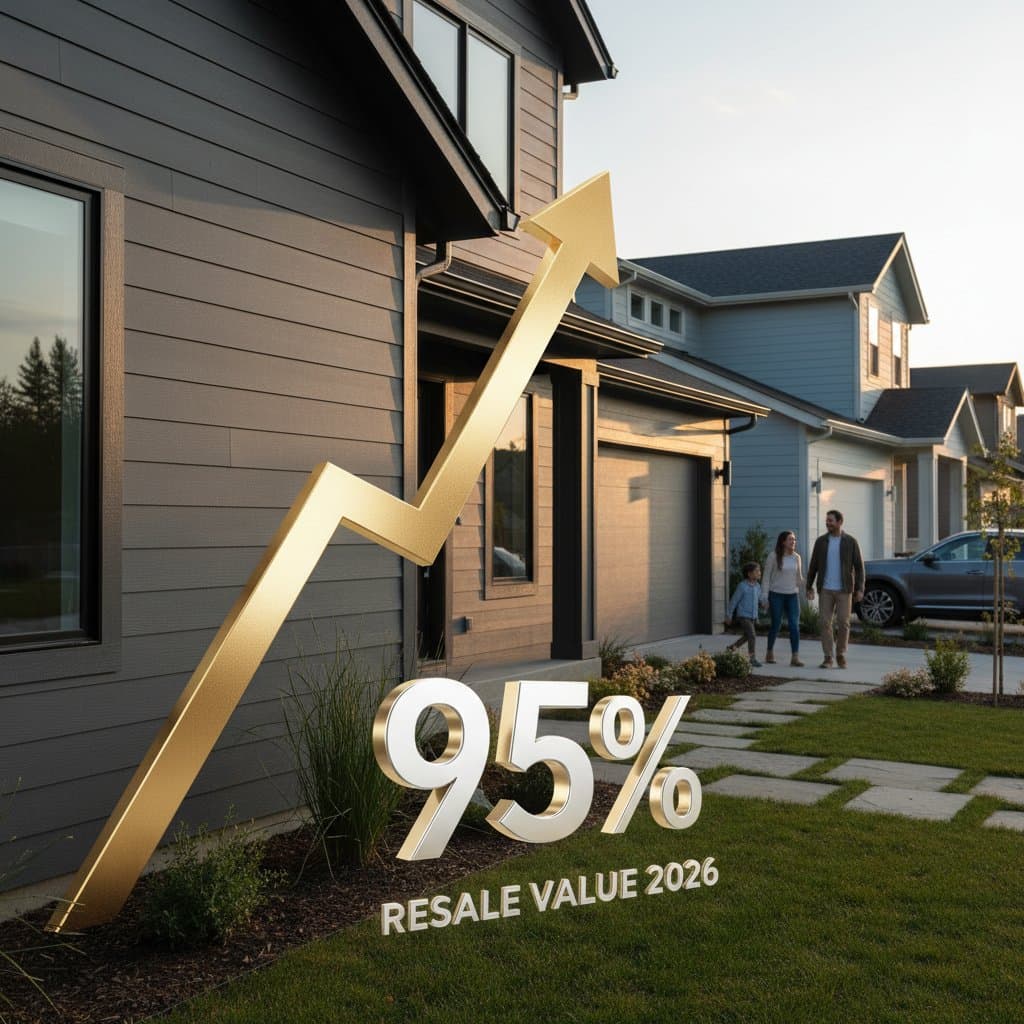
The Siding Material Boosting 95% Resale Value in 2026
Homeowners frequently seek siding options that maximize return on investment during resale. Recent market analyses indicate that fiber cement siding achieves one of the highest recovery rates, recouping nearly 95 percent of installation costs by 2026. This exceptional performance stems from its reputation as a durable, low-maintenance material that enhances curb appeal and conveys meticulous property care to potential buyers.
Buyers prioritize exteriors that promise longevity without ongoing demands. Fiber cement siding meets these expectations through its resistance to weather, pests, and fading. The sections below detail its influence on resale value, associated costs, design considerations, installation practices, and maintenance routines to ensure the investment endures.
Cost, ROI, and Impact Factors
Siding replacement stands out as a transformative exterior upgrade. Potential buyers form initial opinions based on the home's facade, where siding plays a central role. Fiber cement siding recoups up to 95 percent of its cost in added resale value by combining aesthetic appeal, extended durability, and minimal maintenance requirements.
Consider these project scale examples based on current regional averages:
- Small home (1,200 square feet): Installation ranges from $17,000 to $22,000, covering basic removal and standard trim.
- Mid-size home (2,000 square feet): Costs fall between $28,000 and $36,000, accounting for moderate complexity and additional stories.
- Large home (3,000+ square feet): Expect $42,000 to $55,000, including extensive trim work and access challenges.
Several factors influence total expenses:
- Removal and disposal: Dismantling existing vinyl or wood siding adds $1 to $3 per square foot, depending on material type and local regulations.
- Structural complexity: Homes with numerous corners, gables, or architectural details increase labor by 10 to 20 percent.
- Building height: Multi-story structures necessitate scaffolding or lifts, elevating costs by $2,000 to $5,000.
- Trim and accents: Custom soffits, fascia boards, or decorative elements contribute an extra $3,000 to $8,000.
- Site accessibility: Properties with steep terrain or restricted space may require specialized equipment, adding 5 to 15 percent to the budget.
In terms of outcomes, fiber cement siding elevates the home's market positioning. It presents sharp, consistent lines that suggest recent professional updates. Appraisers typically increase valuations by the full installation amount when quality workmanship is evident, particularly in competitive markets.
To optimize returns, allocate $15 to $20 per square foot for professional installation, factoring in removal fees. Insist on proper flashing around penetrations and comprehensive sealing at joints. These measures extend the material's lifespan beyond 50 years and safeguard the high resale recovery.
Design Strategies for Maximum Curb Appeal
Curb appeal ignites buyer interest long before detailed inspections occur. Fiber cement siding contributes significantly by offering versatile textures and colors that maintain uniformity across varied home styles. Strategic design choices amplify its visual impact, making the property stand out in neighborhood comparisons.
Follow these proven design principles to enhance appeal:
- Proportional massing: Maintain continuous horizontal lap siding to unify wall planes. Introduce subtle breaks with trim boards or color shifts at architectural junctures, such as garage doors or bay windows.
- Strategic contrast: Select trim colors two to three shades lighter or darker than the primary siding hue. This creates definition without overwhelming the overall palette.
- Color selection for durability: Opt for mid-tone shades like soft grays or earthy beiges, which camouflage dirt and minor wear more effectively than stark whites or deep blacks.
- Focal point enhancement: Accentuate the entryway with beveled trim around the door, integrated lighting fixtures, and legible address numerals in a complementary finish.
- Rhythmic balance: Ensure even intervals between windows and siding reveals. This symmetry fosters a sense of order and professionalism in photographs and in-person viewings.
Such refinements directly boost perceived value. Buyers interpret harmonious designs as indicators of thoughtful ownership, often leading to quicker offers at or above asking price.
For best results, test siding samples under varying light conditions to confirm versatility. Maintain moderate trim contrasts to avoid visual clutter, and prioritize symmetrical layouts that align with the home's inherent architecture.
Installation Essentials for Lasting Performance
Proper installation forms the foundation of fiber cement siding's long-term value. Contractors must adhere to manufacturer guidelines to prevent issues like warping or moisture damage. Homeowners benefit from understanding key processes to select qualified professionals and verify quality.
Essential installation steps include:
- Surface preparation: Remove old siding completely, repair sheathing, and apply house wrap for a moisture barrier. This step prevents future rot and ensures adhesion.
- Framing and fastening: Use corrosion-resistant nails or screws spaced 16 inches apart, driven into studs. Avoid over-driving fasteners, which can crack the material.
- Joint and seam treatment: Install Z-flashing above horizontal joints and apply sealant at all edges. This seals against water infiltration in rainy climates.
- Trim integration: Cut and fit trim pieces precisely, caulking junctions to create seamless transitions. Include ventilation gaps in soffits to promote airflow.
- Finishing touches: Prime unpainted edges before factory-applied coatings, and inspect for level alignment across the entire facade.
Engaging certified installators reduces risks and upholds warranty terms. Look for credentials from organizations like the Fiber Cement Council, and request references from similar projects. A well-executed installation not only secures the 95 percent ROI but also minimizes callbacks within the first decade.
Maintenance Practices to Preserve Value
Fiber cement siding demands far less attention than traditional wood, yet proactive care sustains its appearance and functionality. Regular upkeep protects against environmental wear and maintains eligibility for manufacturer warranties.
Effective cleaning routines involve:
- Gentle brushing with a mild soap solution annually or biannually to remove pollen and mildew.
- Steering clear of high-pressure washers, which may drive water into seams and cause delamination.
- Thorough rinsing to eliminate soap traces and prevent streaking.
For surface protection:
- Schedule repaints every 10 to 15 years using premium 100 percent acrylic latex formulations designed for exteriors.
- Address scratches or chips immediately with matching paint to block moisture entry.
Conduct inspections at these intervals:
- Yearly reviews of caulk integrity around windows, doors, and joints to identify and reseal gaps.
- Biennial assessments of paint film integrity and trim stability, checking for loose pieces or fading.
Warranties typically span 30 to 50 years for the core material and 15 years for pre-finished colors. Installer warranties cover labor for 5 to 10 years, emphasizing the importance of documented work. Retain records of all services to demonstrate diligence during resale negotiations.
Adopt this maintenance schedule:
- Clean the exterior each spring to prepare for seasonal exposure.
- Examine seals and fasteners every fall before winter sets in.
- Refresh paint as adhesion tests indicate, staying within warranty periods.
- Trim vegetation regularly to maintain a 6-inch clearance from siding surfaces.
Diligent maintenance upholds the siding's premium status, reinforcing buyer trust and appraisal adjustments. Neglect can erode the material's edge, potentially dropping recovery rates below 80 percent.
Realizing Long-Term Benefits from Fiber Cement Siding
Investing in fiber cement siding positions homeowners for substantial financial and aesthetic gains. By 2026 projections, its near-total cost recovery underscores a smart choice for value preservation. This material not only withstands time but also elevates daily living through its reliable performance and timeless style.
Homeowners report enhanced pride in their property's exterior, with fewer worries about repairs. The combination of high ROI, design flexibility, and straightforward care makes fiber cement siding a cornerstone of strategic home improvements. Consult local experts to tailor this upgrade to your specific needs and market conditions.