
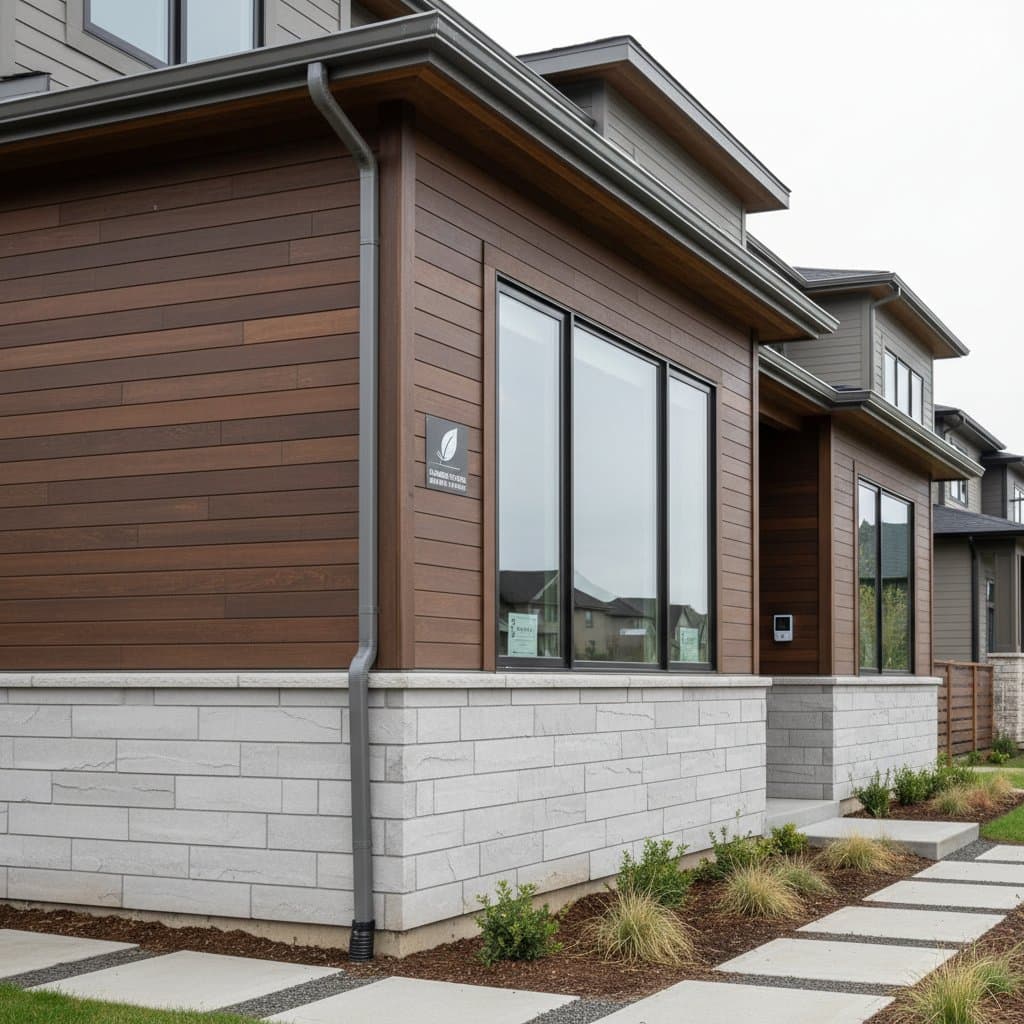
The Rise of Climate-Rated Siding in 2026
Homeowners and builders increasingly select siding materials engineered to withstand specific climate challenges, such as intense heat, heavy moisture, high winds, and fire risks. These climate-rated options prioritize not only aesthetic appeal but also rigorous performance testing tailored to regional conditions. As building codes evolve to address climate variability, climate-rated siding becomes standard for new constructions and extensive renovations, ensuring structures endure real-world exposures over decades.
The total cost for climate-rated siding typically ranges from $9 to $25 per square foot, encompassing materials, labor, and essential accessories. This price variation depends on factors like material type, regional labor rates, and project complexity. For instance, basic vinyl installations start at the lower end, while premium fiber cement systems with custom finishes approach the higher range. Understanding these costs helps budget effectively for a durable exterior that enhances home value and safety.
Understanding Costs and Value
Initial expenses for climate-rated siding reflect advanced engineering and testing, yet long-term savings offset the investment through minimized repairs and energy efficiency. Material costs alone account for 40 to 60 percent of the total, with installation adding the remainder due to specialized techniques required for weather resistance. Homeowners in high-risk areas, such as coastal or wildfire-prone zones, often qualify for insurance discounts that further justify the upfront outlay.
To break down pricing:
- Vinyl and polymer siding: $9 to $14 per square foot, valued for affordability and ease of installation.
- Engineered wood: $12 to $18 per square foot, balancing natural appearance with enhanced moisture resistance.
- Fiber cement: $15 to $22 per square foot, prized for fire resistance and longevity.
- Metal panels: $18 to $25 per square foot, ideal for extreme wind and impact durability.
Additional costs may include underlayment ($1 to $3 per square foot), trim elements ($2 to $5 per linear foot), and permits or inspections ($200 to $1,000 total). Professional installation ensures warranty validity, preventing costly errors like improper sealing that could lead to water intrusion.
Selecting Styles and Profiles
Climate-rated siding maintains traditional profiles while incorporating modern performance features. Homeowners can achieve diverse architectural looks without compromising on resilience.
Common Profiles
- Lap siding: Overlapping horizontal planks that provide a clean, versatile finish suitable for colonial, craftsman, or contemporary homes.
- Board and batten: Vertical boards separated by narrow battens, offering a rustic or modern vertical emphasis popular in farmhouse and industrial designs.
- Shingle or shake panels: Textured units mimicking natural wood, perfect for coastal cottages or traditional New England styles.
- Panel systems: Large, seamless sheets with precise joints, favored for sleek, minimalist facades on modern residences.
Each profile undergoes climate-specific testing to verify joint integrity under stress, ensuring the chosen style aligns with both aesthetic goals and environmental demands.
Material Breakdown and Performance Ratings
Choosing the right material involves reviewing performance ratings that detail resistance to wind speeds up to 150 mph, temperature swings from -40 to 140 degrees Fahrenheit, and low water absorption rates below 5 percent. Manufacturers provide data sheets outlining these metrics, allowing precise matching to local weather patterns.
Vinyl and Polymer
These lightweight materials resist fading and cracking when equipped with UV stabilizers and reinforced edges. Installation in high-wind zones requires secure fastening every 12 inches. They excel in moderate climates but pair best with impact-resistant additives for hail-prone areas.
Fiber Cement
Composed of cement, sand, and cellulose fibers, this option withstands fire ratings up to Class A and termite damage. Factory-applied finishes reduce upkeep, though joints need caulking every five years to maintain seals. Its density provides superior sound dampening, benefiting urban settings.
Engineered Wood
Strands of wood combined with resins create a product lighter than solid lumber yet stronger against rot. Proper storage prevents warping, and installation demands a moisture barrier. This material suits varied climates when coated for UV and fungal protection.
Metal Panels
Aluminum or steel sheets coated for corrosion resistance handle hail impacts up to 2 inches in diameter. Reflective surfaces lower cooling costs in sunny regions. Denting remains a concern in severe storm areas, so thicker gauges add protection at a modest cost increase.
Design Guidelines for Mixed Materials
Creating a cohesive exterior often involves blending profiles or materials for visual interest. Limit combinations to two or three types to avoid structural complications. For example, use fiber cement lap siding on lower levels with engineered wood shingles in upper gables, secured by compatible trim.
Transitions between materials require isolation joints to accommodate differential expansion, typically 1/4-inch gaps filled with flexible sealants. Metal or PVC flashings rated for the assembly prevent moisture bridging. Always consult manufacturer guidelines to ensure the entire system retains its climate rating.
Integrating Trim and Accessories
Effective climate-rated installations depend on matched components that maintain the system's integrity. Select trim from the same product line to guarantee consistent expansion rates and sealing properties. For instance, pairing fiber cement siding with aluminum trim avoids galvanic corrosion, extending the lifespan of both.
Water-resistive barriers, such as housewraps, must extend behind all elements, with taped seams at junctions. Accessories like vents and soffits should feature the same performance certifications, ensuring airflow without compromising the envelope's resistance to elements.
Regional Application Examples
Tailoring selections to local conditions maximizes performance and cost efficiency.
- Cold and wet climates: Opt for fiber cement with rain screen gaps of 3/8 inch to promote drying and prevent ice damming.
- Hot and arid areas: Choose engineered wood with low-VOC coatings or metal panels that reflect up to 70 percent of solar heat.
- Coastal environments: Select vinyl with galvanized fasteners and elevated corrosion ratings to combat salt spray.
- Wildfire zones: Prioritize fiber cement or metal with non-combustible clearances of 18 inches from ground level.
These choices align with zoning requirements, potentially unlocking rebates for resilient building practices.
Preparing for Installation: A Step-by-Step Guide
Thorough preparation streamlines the project and safeguards quality outcomes.
1. Establish Project Objectives
Assess whether the work involves full replacement, partial updates, or accent additions. Prioritize needs like improved insulation, fade resistance, or impact durability. Reference local climate zone maps from building authorities to select appropriate ratings.
2. Vet and Select Contractors
Seek professionals certified by siding manufacturers, verifying experience with climate-rated systems through references. Obtain three detailed bids specifying materials, labor hours, and warranties. Evaluate inclusions such as waste disposal and post-installation inspections.
3. Evaluate Samples and Secure Approvals
Examine full-scale samples under site lighting to assess color fidelity and texture. Test joint overlaps for seamless fit. For communities with restrictions, submit plans and samples for formal approval to avoid delays.
4. Prepare the Site
Remove plants and debris within two feet of the structure. Ensure clear paths for equipment and storage, including protected areas for sensitive materials. Schedule around forecasts, as precipitation delays siding work by at least 48 hours.
5. Implement Quality Assurance Measures
During installation, inspect fastening patterns every 100 square feet for consistency. Verify underlayment coverage and flashing placement at openings like windows. Conduct a final walkthrough with the contractor to document any adjustments, followed by a moisture meter scan to confirm dryness.
Post-installation, apply initial sealants as recommended and schedule annual inspections to monitor performance.
Long-Term Benefits and Maintenance
Investing in climate-rated siding delivers enduring protection that stabilizes indoor temperatures and shields against elemental damage. These systems comply with stringent codes, facilitating smoother resale and insurance processes. Regular care, such as gentle cleaning and seal inspections, preserves appearance and functionality for 30 to 50 years.
Homeowners enjoy peace of mind knowing their exteriors adapt to changing weather patterns, reducing vulnerability to storms and efficiency losses. This forward-thinking approach transforms routine upgrades into strategic enhancements for sustainable living.