
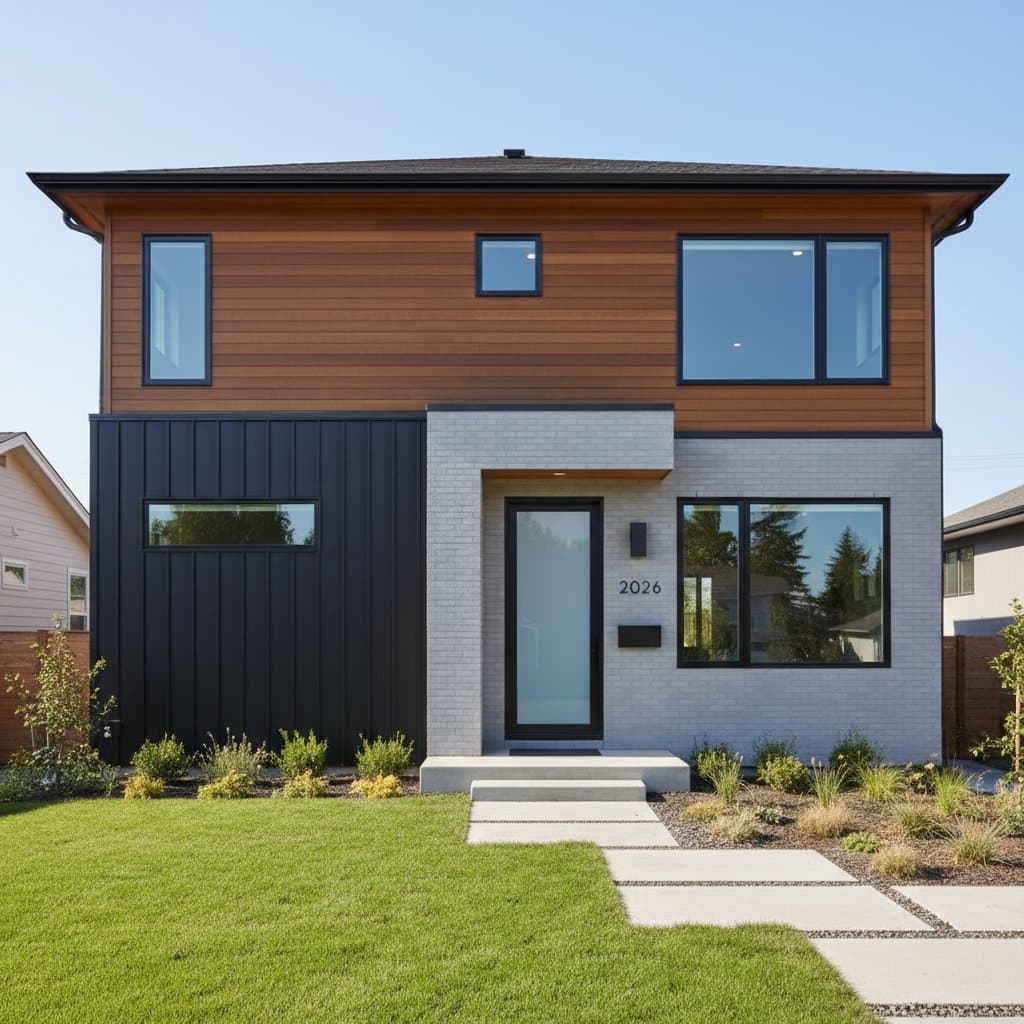
The Leading Siding Option for Optimal Home Value in 2026
Mixed-material siding emerges as a dependable strategy for achieving substantial returns on investment. Homeowners select this option for its integration of contemporary aesthetics, resilience, and enduring worth. The combination of varied textures and finishes introduces visual depth that translates effectively in photographs and attracts purchasers who prioritize functionality alongside visual appeal. This guide examines the elements influencing expenses, material selection criteria, and essential design and installation considerations for achieving durable outcomes.
Expenses, Returns, and Key Influences
Property values increase when enhancements to exterior attractiveness align with improved resilience. Mixed-material siding typically recoups 75 to 85 percent of installation costs upon resale, varying by local market conditions and material quality. This spectrum underscores the favorable reception from buyers toward facades that convey customization while promising manageable ongoing expenses.
Project Cost Estimates
- Compact bungalow or single-level home: $18,000 to $28,000
- Medium-sized two-story residence: $30,000 to $45,000
- Expansive custom property: $50,000 to $75,000
Primary Expense Components
- Demolition and waste management: The nature and state of current siding influence removal expenses. Budget $1 to $3 per square foot for dismantling.
- Project intricacy: Features such as gabled roofs, multi-level structures, and ornate trim extend labor duration.
- Material combinations: Integrating fiber cement with engineered wood or metal necessitates additional precision in cutting and weatherproofing.
- Site accessibility: Confined property boundaries or inclined terrain demand scaffolding, elevating labor costs by 10 to 20 percent.
- Surface treatment extent: Options like on-site painting versus pre-finished panels alter timelines and coverage terms.
Size Considerations
For smaller homes, a straightforward horizontal fiber cement installation accented with select panels proves effective. Larger buildings accommodate elements like stone veneer at the foundation, vertical plank highlights, and sleek lap siding without overwhelming the design. Balance remains essential, emphasizing thoughtful integration over excess.
Essential Insight
Initial outlays surpass those of monolithic siding alternatives, yet the enhanced market perception and reduced upkeep demands justify the premium through elevated resale outcomes.
Strategies for Enhancing Exterior Appeal
Prospective buyers evaluate symmetry, tonal harmony, and evident craftsmanship. Mixed-material siding imparts dimension through judicious application.
Structural Balance and Scale
- Divide expansive wall surfaces using vertical planks or insert panels.
- Align material shifts with architectural features such as eaves or projections.
- Employ trim elements to delineate material boundaries and eliminate raw edges.
Tonal Harmony and Differentiation
Pair neutral foundational tones with a single deeper or richer accent to foster depth minus visual chaos. Select hues that complement roofing and window casings. Restrict the palette to no more than three shades, inclusive of trim.
Focal Point at the Entrance
Integrate unified entryway features, including illumination, legible numbering, and precise trim work, to refine initial perceptions. Viewers form opinions rapidly upon approaching the front door.
Illumination and Contour Definition
Position outdoor fixtures at regular intervals to accentuate textural variances. Steer clear of directing beams toward seams or connections.
Essential Insight
Maintain intentional contrasts and polished junctions. Superior mixed facades excel in imagery because each component integrates purposefully, evoking intentionality rather than ornamentation.
Upkeep and Durability Measures
Mixed-material installations endure for decades under routine attention. Address each component through scheduled evaluations and cleansing.
Upkeep Protocol
- Biannual routine: Flush surfaces with gentle water pressure. Refrain from abrasive agents.
- Yearly assessment: Examine sealants; refresh engineered wood coatings if discoloration appears.
- Quintennial review: Scrutinize anchors, barriers, and interfaces for shifts or degradation.
- Post-storm evaluation: Identify dislodged sections or damp areas.
Surface Preservation Techniques
Apply gentle brushes or microfiber implements. Limit pressure washing to under 1500 psi. Proceed from upper to lower sections to avert runoff marks.
Coverage Obligations
Manufacturers generally mandate evidence of correct assembly and periodic care. Retain documentation and visual records of inspections. Neglect in logging maintenance could curtail protection periods.
Essential Insight
Regular cleansing and meticulous documentation prolong surface integrity and safeguard warranty benefits, thereby sustaining market value.
Selecting Contractors and Evaluating Proposals
Mixed-material projects require seamless collaboration among framing and finishing specialists. A comprehensive agreement safeguards finances and timelines.
Project Specifications
- Inventory of materials, specifying brands, profiles, and treatments
- Specifications for vapor barriers and sealing elements
- Details on trim selections and coating applications
- Provisions for waste handling and premises restoration
- Assignments for approvals and verifications
Proposal Evaluation
Request itemized rates per square foot by material category. Contrast labor charges, protection durations, and projected schedules. Verify inclusion of demolition and clearance in all estimates for equitable comparisons.
Payment Structure
Establish phased disbursements tied to milestones: 30 percent upon material delivery, 40 percent post-installation, and 30 percent after final inspection and cleanup. This arrangement incentivizes progress while mitigating risks.
Sustaining the Investment Over Time
Mixed-material siding provides contemporary distinction and reliable operation when executed with precision. Property owners secure amplified market desirability, minimized upkeep disruptions, and a cohesive facade resistant to obsolescence. The interplay of textures and shades generates appraisal advantages and photographic strengths. Selecting compatible expansion profiles, ensuring fluid transitions, and adhering to inspection routines fortify the asset for extended periods.