
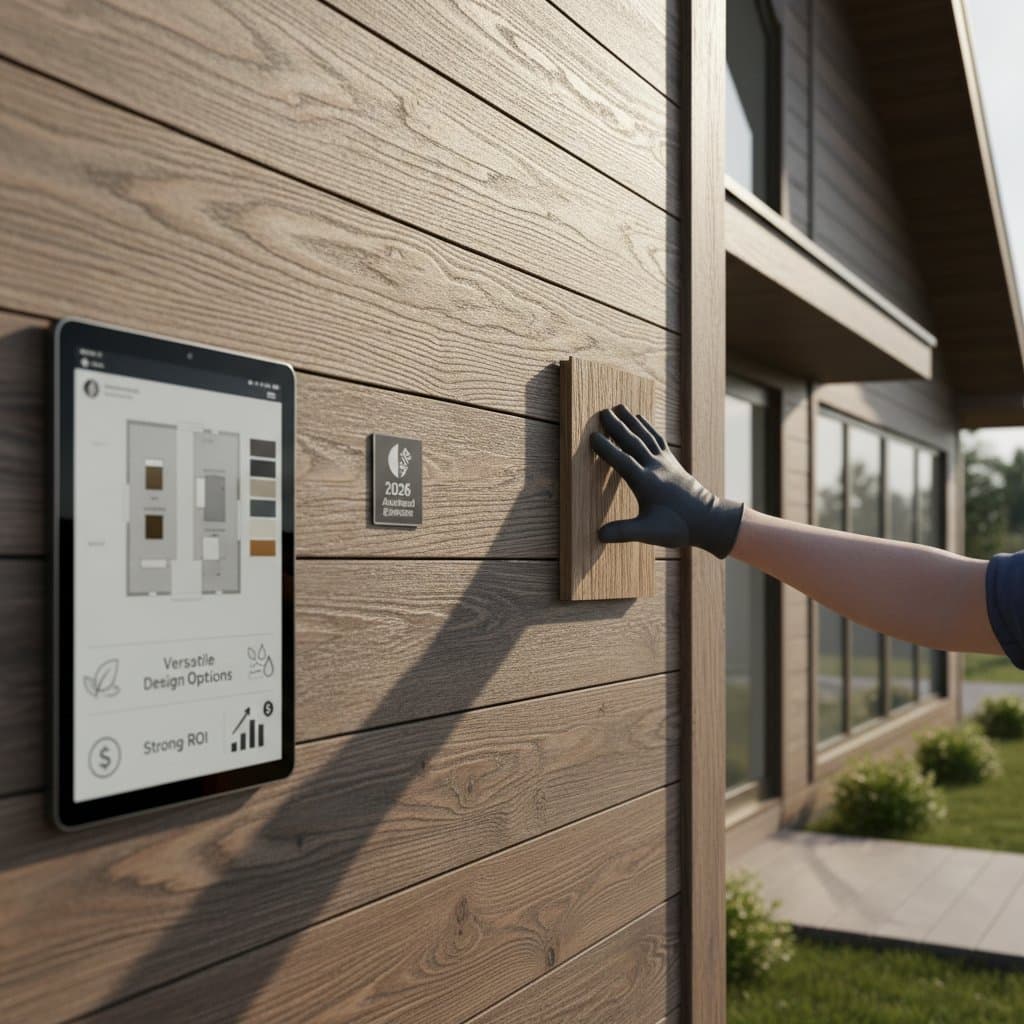
Vinyl Siding Achieves Wood-Like Realism in 2026
Homeowners seeking the inviting texture of wood siding often hesitate due to the demands of ongoing maintenance. Vinyl siding in 2026 addresses this concern through innovative manufacturing processes that produce intricate grain patterns, varied color depths, and realistic shadow effects. These advancements close the aesthetic divide between traditional wood clapboards and synthetic alternatives, influencing factors such as property resale value, annual upkeep expenses, and overall structural resilience.
To select the ideal option, evaluate samples under natural daylight to assess how the material interacts with sunlight and shadows. Consider the home's architectural style; for example, colonial homes benefit from vertical grain simulations that echo historical plank designs. This informed approach ensures the siding enhances visual harmony while supporting practical long-term ownership goals.
Evaluating Costs, Return on Investment, and Key Influences
Vinyl siding designed to imitate wood grain commands a premium over standard smooth varieties, yet it remains more affordable than fiber cement or authentic wood installations. For a typical residential project, budgets range from 15,000 to 35,000 dollars, influenced by home dimensions, regional labor rates, and custom detailing requirements. Compact single-story residences might incur costs around 12,000 dollars, whereas expansive multi-story properties with elaborate trim could surpass 40,000 dollars.
Return on Investment Insights
Industry analyses rank vinyl siding replacements among the highest-yield exterior renovations, with cost recoupment rates of 60 to 75 percent upon resale. Prospective buyers appreciate the pristine, even appearance and the relief from future maintenance obligations. The wood-mimicking variants elevate this appeal by combining premium aesthetics with functional benefits, often increasing perceived home value by 10 to 15 percent in competitive markets.
Factors Shaping Project Outcomes
Several elements determine the effectiveness and expense of the installation:
- Texture and Color Fidelity: Enhanced embossing techniques and multi-layer pigmentation create depth that withstands scrutiny, drawing greater interest from appraisers and viewers.
- Installation Precision: Secure seams and proper overlapping techniques minimize risks of warping, water infiltration, and unsightly gaps over time.
- Trim and Accessory Integration: Accurate placement around windows, doors, and corners elevates the overall finish, distinguishing professional results from basic applications.
Project Scale Breakdown
- Small-Scale Endeavors: Updating siding on a garage or feature wall typically costs 2,000 to 5,000 dollars, ideal for testing aesthetics on a limited budget.
- Mid-Range Full Replacements: For standard single-family homes, expect 15,000 to 25,000 dollars, covering comprehensive coverage with moderate trim work.
- Extensive Overhauls: Larger homes requiring multi-level applications and full trim packages range from 30,000 to 40,000 dollars, including preparatory demolition.
Vinyl siding with wood textures provides an optimal balance of upfront investment and enduring value, particularly when executed with meticulous attention to detail.
Enhancing Curb Appeal Through Thoughtful Design
Effective siding design prioritizes balance and subtlety over bold statements, allowing the wood-like vinyl to complement the home's inherent architecture. Successful implementations harmonize proportions and subtle contrasts to create an inviting facade that withstands seasonal changes.
Structural and Proportional Considerations
Maintain uniform horizontal lines across all visible elevations to foster a sense of cohesion. Where feasible, synchronize window headers with siding overlaps to establish rhythmic visual flow. Incorporate broader trim boards to accentuate craftsmanship, effectively framing the textured surface and drawing attention to architectural highlights.
Color Selection and Finish Choices
Contemporary vinyl formulations employ sophisticated pigments that emulate the nuances of stained or weathered wood. Opt for muted earth tones such as warm browns, soft grays, or subdued greens, which integrate seamlessly with landscaping and capture light favorably in photographs. Steer clear of high-gloss surfaces, as they can highlight the material's synthetic origins; matte or low-sheen options preserve authenticity.
Focal Points and Entryway Strategies
Direct visual interest toward the entrance by applying a marginally deeper shade or vertical panel orientation in that area. Complement these choices with modern exterior lighting, legible house numbering, and symmetrical plantings to reinforce a welcoming atmosphere. Such refinements not only boost daily enjoyment but also appeal to potential buyers during showings.
Prioritize streamlined lines, measured tonal variations, and uniform detailing to project sophistication. This deliberate visual composition signals enduring quality to passersby and market evaluators alike.
Ensuring Longevity Through Routine Maintenance
Although vinyl siding demands far less attention than wood counterparts, proactive care safeguards its appearance and extends service life. Regular inspections and gentle cleaning routines mitigate environmental wear, preserving the material's wood-like vibrancy.
Recommended Cleaning Practices
Perform biannual washes using a standard garden hose equipped with a soft-bristle brush to remove accumulated dirt and pollen. Apply only gentle, non-abrasive detergents, and refrain from harsh chemicals or pressure-washing equipment that could damage the surface. Always direct water flow from the upper sections downward to avoid residue streaks and ensure thorough rinsing.
Protecting Finish Integrity
In regions with intense sunlight, select lighter hues to reflect ultraviolet rays and reduce heat absorption, thereby minimizing fade risks. For any discolored patches, apply specialized vinyl restoration products endorsed by the manufacturer to revive the original luster without compromising warranty terms.
Seasonal Inspection Protocols
Conduct thorough checks quarterly, focusing on loose panels, fractured trim, and joint integrity following severe weather events like high winds or hailstorms. Address issues immediately by securing components or replacing affected areas to prevent moisture penetration and structural compromise.
Warranty and Documentation Essentials
Leading manufacturers provide limited lifetime warranties against defects in materials, though labor protections may span only 10 to 20 years. Maintain detailed records of the installation process, including contractor invoices and maintenance logs, to facilitate any future claims. Adherence to prescribed care guidelines remains crucial for validity.
Comprehensive Maintenance Schedule
- Spring Preparation: Clean the entire surface, examine caulking for cracks, and verify joint stability.
- Summer Monitoring: Refresh trim paints or coatings as needed to counter sun exposure.
- Fall Readiness: Clear debris prior to colder months, evaluate drainage systems, and update pathway lighting.
- Winter Vigilance: Monitor for ice dams near the base and clear snow buildup to avoid foundation stress.
Diligent, low-effort maintenance routines ensure the siding retains its fresh appearance and bolsters property value over multiple decades.
Realizing Lasting Benefits from Wood-Mimicking Vinyl Siding
Opting for vinyl siding that replicates wood grain yields a harmonious blend of aesthetic appeal and robust performance. Post-installation, homeowners enjoy substantial savings on repaint cycles, improved thermal regulation through added insulation layers, and a steadfast exterior that endures varying climates.
To optimize these advantages, integrate the siding with complementary upgrades such as energy-efficient windows or enhanced gutter systems. Over time, this cohesive strategy not only elevates daily living comfort but also positions the property favorably in real estate assessments, delivering sustained financial and visual rewards.