
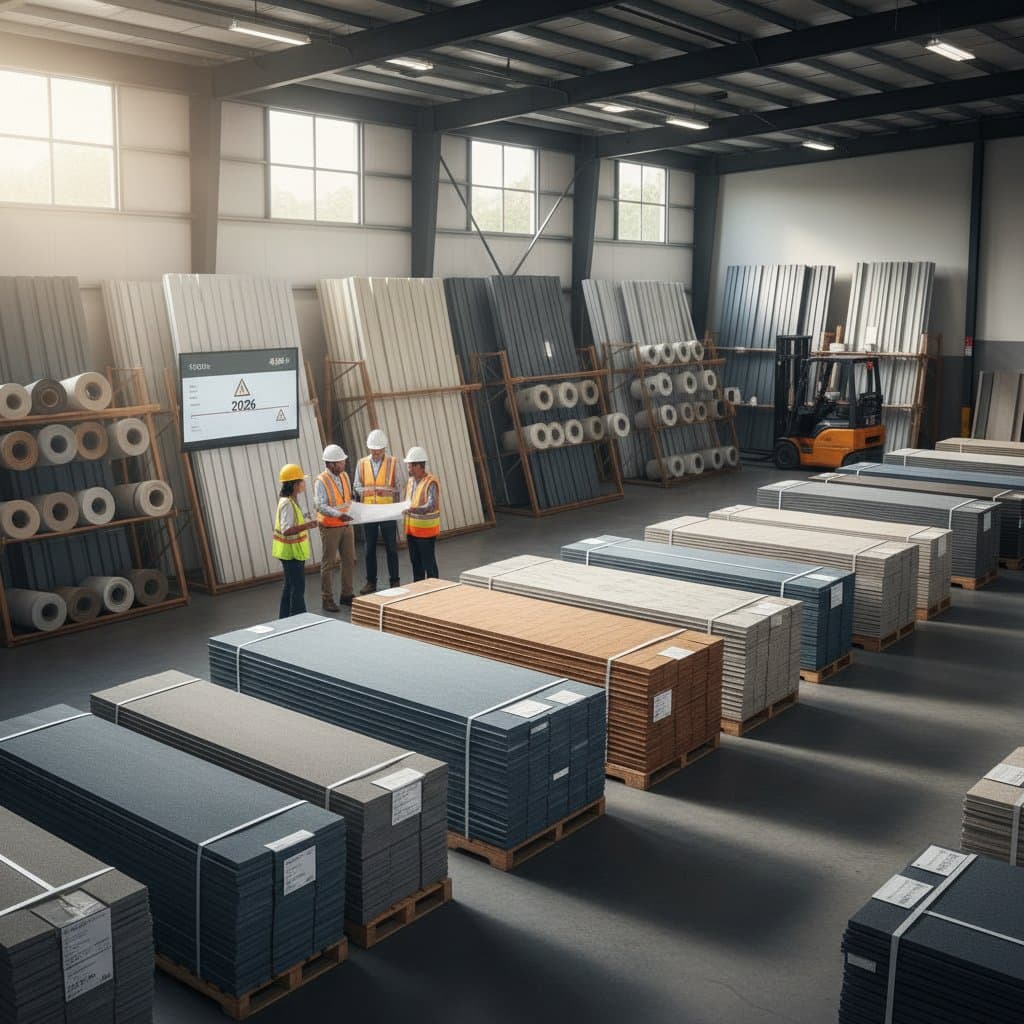
Beat 2026 Siding Shortage by Stocking Early
Understanding the 2026 Siding Shortage
Homeowners and contractors face a significant challenge with the anticipated siding shortage in 2026. Industry experts predict disruptions due to increased demand from new construction projects, supply chain vulnerabilities, and raw material constraints. These factors will likely lead to higher prices and extended wait times for materials.
Planning ahead allows individuals to avoid these issues. By securing supplies early, projects remain on track without unexpected delays. This approach also helps maintain budgets by locking in current pricing.
Key Siding Materials to Consider
Selecting the right material depends on climate, budget, and aesthetic preferences. The following options stand out for their reliability and availability. Each provides distinct benefits in terms of durability and maintenance.
Vinyl Siding
Vinyl siding offers an affordable and low-maintenance solution for many homes. It resists fading, cracking, and pests, making it suitable for various weather conditions. Current prices range from $3 to $7 per square foot installed.
Stocking vinyl now ensures access to popular colors and styles before shortages hit. Suppliers recommend ordering 10 percent extra to account for cuts and waste. This material installs quickly, often in a few days for average-sized homes.
Fiber Cement Siding
Fiber cement combines the look of wood with superior durability. It withstands fire, insects, and moisture better than traditional wood options. Expect costs between $6 and $14 per square foot, including labor.
This material requires painting every 10 to 15 years, but its longevity justifies the investment. Early procurement secures high-quality boards, which may become scarce. Verify local availability through major distributors to plan shipments.
Engineered Wood Siding
Engineered wood provides a natural appearance with enhanced resistance to rot and warping. Manufacturers treat it with preservatives for long-term performance. Pricing typically falls at $5 to $10 per square foot.
It suits regions with moderate climates and offers customization in textures. Builders advise purchasing in bulk to match batches for consistent color. Storage in a dry area prevents damage before installation.
Metal Siding
Metal siding excels in extreme weather, offering unmatched strength against hail and wind. Options like steel and aluminum come in various finishes that mimic other materials. Installation costs range from $7 to $12 per square foot.
Its reflective properties can reduce cooling needs in hot areas. Secure panels early, as production lines face potential bottlenecks. Professional assessment ensures proper gauge selection for specific needs.
Planning and Budgeting Strategies
Effective planning starts with assessing project scope. Measure the exterior surface area accurately, adding 10 to 15 percent for overlaps and errors. Consult local building codes to confirm material compliance.
Budgeting involves comparing current versus projected prices. Experts forecast a 15 to 25 percent increase by 2026 due to shortages. Allocate funds for storage if materials arrive ahead of installation.
Create a timeline that aligns procurement with construction phases. Coordinate with suppliers for delivery schedules to minimize holding costs. Track market trends through industry reports for timely decisions.
Securing Supplies and Permits
Contact reputable suppliers immediately to reserve stock. Many offer pre-order options with deposit requirements. Build relationships with multiple vendors to diversify sources.
Permits require submission of material specifications and site plans. Processing times vary by location, often taking 4 to 8 weeks. Submit applications early to avoid bottlenecks.
Prepare the site by clearing debris and ensuring access for deliveries. Hire certified installers familiar with chosen materials. This step guarantees quality workmanship and warranty coverage.
Installation Preparation Tips
Proper preparation extends material lifespan and ensures seamless results. Inspect stored siding for damage upon arrival. Acclimate materials to the installation environment for 48 hours.
Use tools suited to the material type, such as snap-lock punches for metal. Follow manufacturer guidelines for spacing and fastening to prevent issues like buckling.
Schedule inspections during key phases. Address any code violations promptly. These measures keep projects compliant and efficient.
Achieving Long-Term Project Success
By acting now, homeowners secure materials at favorable rates and timelines. This proactive strategy minimizes disruptions and maximizes value. Projects completed ahead of the shortage deliver lasting curb appeal and protection.
Regular maintenance preserves siding integrity, reducing future costs. Consult professionals for personalized advice tailored to specific properties. With careful planning, the 2026 shortage becomes a minor hurdle rather than a major obstacle.