
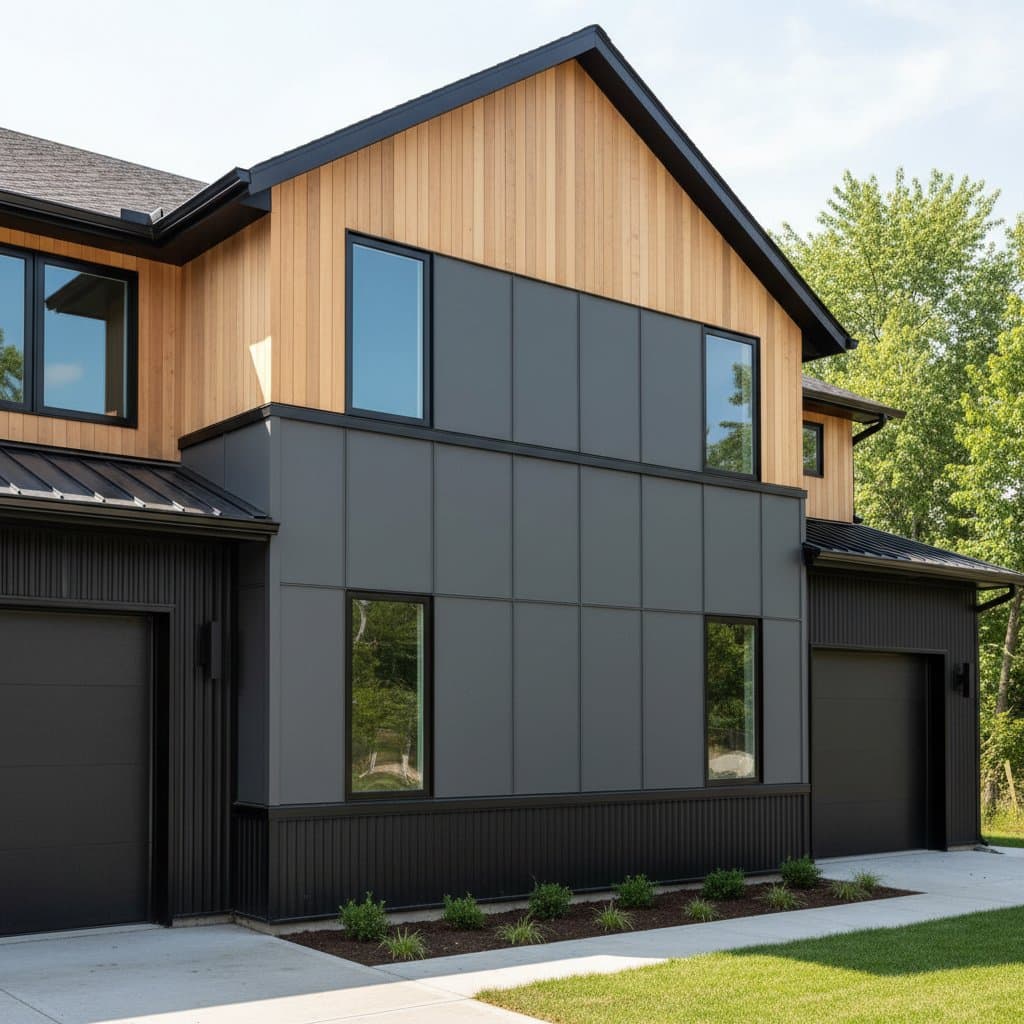
Understanding Mixed Siding for Builders
Mixed siding, often referred to as hybrid cladding, involves the strategic combination of two or more exterior materials on a single residential structure. This approach allows builders to manage expenses effectively, emphasize architectural highlights, and enhance the overall marketability of a property. Proper planning and execution ensure that mixed siding not only fits within budget constraints but also contributes to superior longevity and financial returns for homeowners and investors alike.
The versatility of mixed siding stems from its ability to integrate diverse textures, colors, and performance characteristics. Builders appreciate how it creates visual interest without overwhelming the design. As housing markets evolve, properties featuring thoughtful mixed siding combinations often command higher offers due to their modern appeal and perceived quality.
Key Project Overview
Mixed siding projects suit a range of home styles, from traditional bungalows to contemporary builds. The process typically spans two to four weeks, influenced by the home's footprint and labor resources. Complexity arises from the need for precise layouts and seamless material transitions, making it a moderate to high-difficulty endeavor.
Installation costs generally fall between eight and eighteen dollars per square foot, covering materials, labor, and basic finishing. The primary objectives include defining distinct aesthetic zones, optimizing expenditure across elements, and promoting extended material lifespan through complementary pairings.
Builders should consider local climate factors, as mixed siding performs best when materials are selected for regional demands like humidity or temperature fluctuations. Early consultation with suppliers helps identify compatible options that align with building codes and aesthetic visions.
Selecting Styles and Materials
The appeal of mixed siding lies in its capacity to blend varied elements for a cohesive facade. Builders achieve this by focusing on harmony in texture, hue, and functionality, ensuring the result enhances rather than detracts from the home's architecture.
Popular Configuration Profiles
Several profiles prove effective for mixed siding applications:
- Lap Siding with Shakes: Horizontal lap boards cover primary walls, while shake patterns accentuate gable ends or upper stories. This setup provides a classic layered look suitable for craftsman or colonial designs.
- Panel and Batten Systems: Vertical panels form the base layer, transitioning to horizontal lap siding above. Such arrangements work well for mid-century modern homes, offering clean lines and subtle depth.
- Metal Accents with Wood Mimics: Sleek metal panels or bands pair with engineered wood textures for a contemporary edge. This combination balances industrial strength with organic warmth, ideal for urban infill projects.
These profiles allow builders to tailor the exterior to specific site conditions, such as sun exposure or wind patterns, while maintaining visual flow.
Material Breakdown
Choosing the right materials requires evaluating benefits against potential drawbacks. The following table outlines common selections:
| Material | Advantages | Disadvantages |
|---|---|---|
| Fiber Cement | Offers fire resistance, dimensional stability, and extended warranties up to 50 years | Requires heavy lifting and accurate cuts during installation |
| Engineered Wood | Delivers authentic wood appearance with simpler handling and painting | Demands thorough sealing to prevent moisture ingress |
| Vinyl | Provides affordability and minimal upkeep, resisting fading over time | Exhibits lower tolerance for impacts compared to harder surfaces |
| Metal | Delivers sleek, long-lasting finishes with high durability against elements | Involves elevated initial expenses and necessitates thermal barriers for efficiency |
Fiber cement pairs excellently with vinyl for cost-conscious projects, where the former handles high-exposure areas and the latter fills in less demanding sections. Engineered wood complements metal in designs seeking a blend of tradition and innovation.
Guidelines for Harmonious Integration
To avoid disjointed appearances, adhere to these principles:
- Restrict combinations to no more than two primary materials per facade elevation to preserve unity.
- Establish a dominant color scheme with one complementary accent to guide the palette.
- Ensure joint lines align across material boundaries for a seamless structural illusion.
- Incorporate trim elements at transition points to shield vulnerable edges and add definition.
For instance, in a suburban craftsman revival, fiber cement lap siding on the ground level transitions smoothly to cedar-inspired shakes in the gables via beveled trim. In contrast, a sleek urban dwelling might feature vertical steel panels on side elevations paired with horizontal composite boards on the front, unified by matte black accents.
Testing material samples in situ reveals how lighting affects tones throughout the day. Builders often mock up small sections to confirm compatibility before full commitment.
Preparing for a Successful Installation
Thorough preparation transforms a mixed siding project from routine to exceptional. Begin by clarifying objectives to align the design with the property's intended market and environmental context.
Detailed Planning Steps
-
Establish Project Objectives: Identify elements to retain, such as existing foundations, and pinpoint areas for enhancement. Determine optimal locations for material contrasts, like entryways or rooflines, to maximize visual impact.
-
Solicit Contractor Proposals: Obtain detailed bids specifying square footage calculations, material quantities, and labor breakdowns. Prioritize firms experienced in hybrid installations to ensure quality transitions.
-
Evaluate Material Samples: Examine color swatches and profile mockups in daylight conditions. Confirm selections match the overall scheme and meet performance standards for the locale.
-
Site Readiness: Remove obstructing vegetation, relocate outdoor items, and verify utility access for tools and scaffolding. Coordinate with neighbors if the project affects shared boundaries.
-
Monitor Progress Checkpoints: Inspect the initial wall section for level alignment and material adhesion. Reassess after major phases, such as before applying trim, and conduct a final walkthrough for caulking and debris removal.
Additional considerations include securing permits early and scheduling weather-appropriate timelines. Budget for contingencies, allocating ten to fifteen percent for unforeseen adjustments like custom cuts.
Engaging subcontractors for specialized tasks, such as metal fabrication, streamlines the process. Document each stage with photographs to track compliance and resolve issues promptly.
Maximizing Long-Term Performance and Value
A well-executed mixed siding installation not only elevates immediate aesthetics but also supports enduring practicality. The multifaceted design distributes costs intelligently, introduces dynamic textures, and positions the home favorably in competitive markets.
Homeowners benefit from materials that each excel in their assigned roles: durable facades resist wear while accents draw the eye to key features. Routine maintenance, such as annual inspections and gentle cleaning, preserves the investment for generations.
In resale scenarios, properties with mixed siding often see premiums of five to ten percent over uniform exteriors, attributed to their customized appeal and perceived craftsmanship. Builders who master this technique gain a reputation for innovative, value-driven solutions that resonate with discerning buyers.
By integrating mixed siding thoughtfully, projects achieve a balance of economy, style, and resilience that endures.